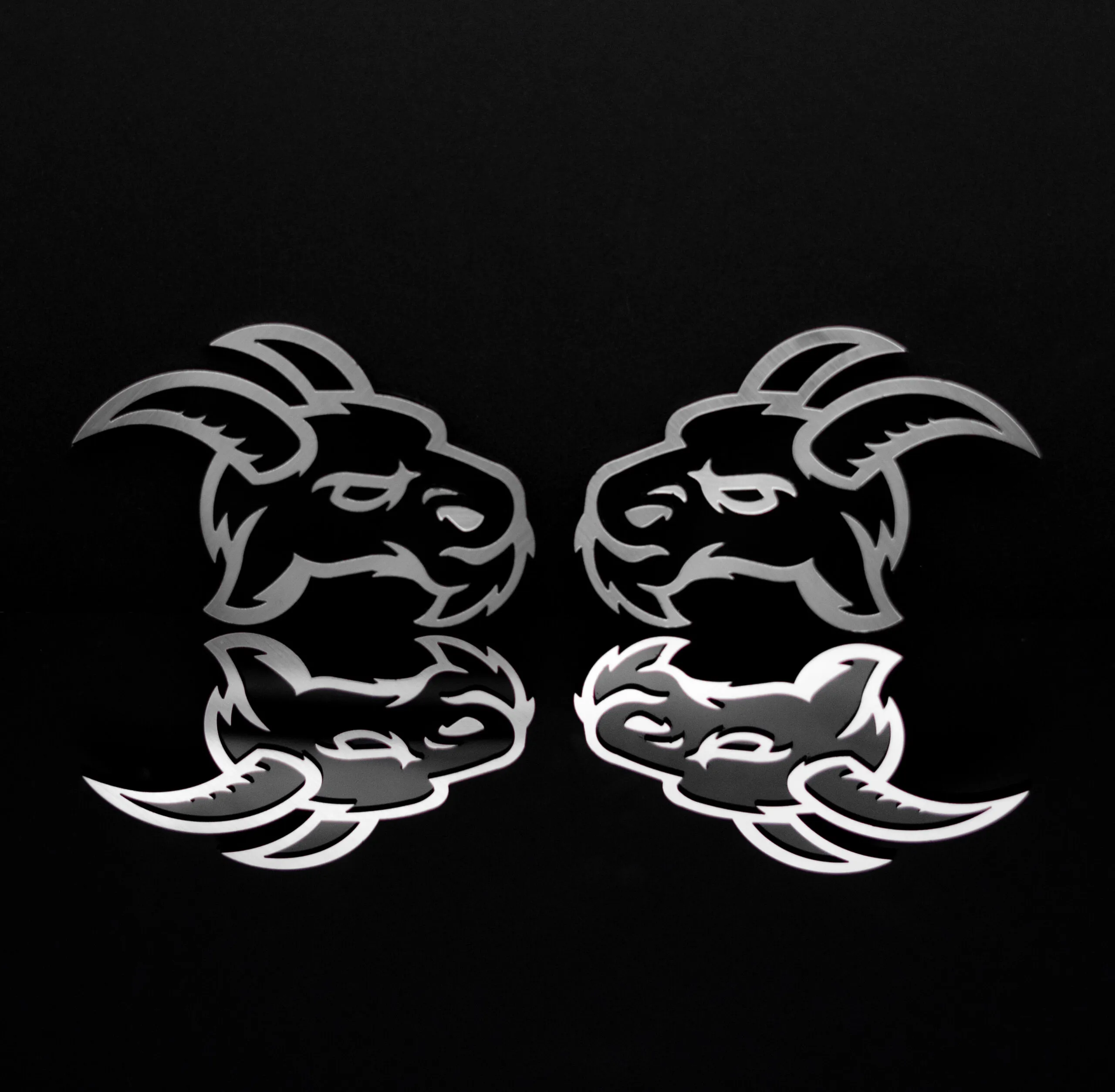
What are Custom Diecast Badges?
Custom diecast badges are more than just pieces of metal; they are powerful tools for branding, recognition, and identity. These badges are typically crafted from durable materials like zinc alloy or brass, using a diecasting process that allows for intricate designs and precise detailing. They are used across various industries, from automotive and fashion to corporate branding and personal collectibles. The appeal of custom diecast badges lies in their ability to convey a sense of quality, professionalism, and exclusivity. The diecasting method ensures that each badge is robust, long-lasting, and capable of withstanding wear and tear, making them ideal for applications where durability is paramount. They are also highly customizable, allowing businesses and individuals to create unique designs that reflect their specific brand or personal style. With their versatility and lasting impact, custom diecast badges are a smart investment for anyone looking to make a statement.
Materials Used in Custom Diecast Badges
The choice of material significantly impacts the look, feel, and longevity of custom diecast badges. The most common materials include zinc alloy, brass, and sometimes aluminum. Zinc alloy is a popular choice due to its excellent casting properties, allowing for intricate designs and fine details. It’s also relatively cost-effective and offers good durability. Brass, known for its golden color and resistance to corrosion, provides a premium feel, making it suitable for high-end applications. Aluminum, while lighter than zinc or brass, is another option, though it may not be as durable for certain applications. The material selection should be based on the desired aesthetic, budget, and the environment the badge will be exposed to. A badge designed for outdoor use will require a more corrosion-resistant material than one intended for indoor display. Additionally, finishes like enamel, plating, and polishing are often applied to enhance the material’s appearance and protect it from damage.
Design Considerations for Custom Badges

Designing a custom diecast badge involves several critical considerations to ensure the final product meets your expectations and effectively represents your brand. The design process begins with a clear understanding of your brand identity, including your logo, colors, and overall aesthetic. The design should be visually appealing, easy to read, and memorable. Simplicity often works best, as intricate designs can be difficult to reproduce accurately in diecasting. The size and shape of the badge, as well as the colors and finishes used, should also be carefully considered. It’s crucial to choose colors that align with your brand and finishes that enhance the material and design. Working closely with a designer or manufacturer who has experience with diecast badges is highly recommended to avoid common pitfalls and optimize the design for the manufacturing process.
Size and Shape
The size and shape of your custom diecast badge play a crucial role in its overall impact and functionality. The size of the badge should be appropriate for its intended use and the amount of detail in the design. A badge that’s too small may not allow for clear visibility of the design elements, while one that’s too large could be unwieldy or impractical. Common shapes include circles, squares, rectangles, and custom shapes that reflect the brand’s identity. The shape can also influence how the badge is perceived; for example, a badge with rounded edges may convey a softer, more approachable image, while a badge with sharp angles might suggest a more modern or professional feel. Consider the space where the badge will be placed, such as on a lapel, bag, or vehicle. The shape must also complement the design, ensuring all design elements are well-balanced and visually appealing.
Color and Finish
The color and finish of your custom diecast badge are critical aspects that contribute to its visual appeal and brand representation. The choice of colors should align with your brand’s palette, ensuring consistency across all branding materials. Colors can be applied using various methods, including hard enamel, soft enamel, or printed finishes. Hard enamel provides a smooth, durable finish with vibrant colors, while soft enamel allows for more intricate designs with recessed areas. Finishes like plating (e.g., gold, silver, copper) can add a touch of elegance and sophistication, while polishing can enhance the shine and overall appearance of the badge. Consider the environment the badge will be used in; for example, a badge that’s exposed to harsh weather conditions may require a more durable finish to prevent wear and tear. It’s crucial to choose colors and finishes that complement the material and design, creating a badge that is both visually appealing and long-lasting.
Attachment Options for Custom Diecast Badges

The attachment method is a key functional aspect of your custom diecast badge, determining how it’s worn or displayed. Several options are available, each suited to different applications. Common attachment methods include pin backs (butterfly clutches, safety pins), adhesive backing (for application to flat surfaces), magnetic fasteners, and screw-on posts. Pin backs are the most traditional and widely used, offering a secure way to attach the badge to clothing or fabric. Adhesive backing is ideal for applying badges to smooth, flat surfaces like equipment or packaging. Magnetic fasteners provide a damage-free option, while screw-on posts offer a more permanent and secure attachment. The choice of attachment method depends on the intended use of the badge, the materials it will be attached to, and the desired level of security. Consider the comfort, practicality, and aesthetic impact of each option when making your decision.
Cost Factors to Consider
Understanding the cost factors involved in custom diecast badges is essential for budgeting and making informed decisions. Several elements influence the overall cost. These include the material used (zinc alloy, brass, etc.), the size and complexity of the design, the number of colors and finishes, the quantity ordered, and the chosen attachment method. More intricate designs and the use of premium materials will typically increase the cost. Larger quantities often result in lower per-unit costs due to economies of scale. Other factors that can affect the price include the manufacturer’s location, shipping costs, and any additional services such as design assistance or specialized packaging. It’s important to get quotes from multiple manufacturers and compare them carefully, considering all the cost factors to ensure you receive the best value for your budget. Be sure to ask about any setup fees, minimum order quantities, and potential discounts for bulk orders.
Where to Get Custom Diecast Badges
Finding a reliable manufacturer is critical for creating high-quality custom diecast badges. Several options are available, ranging from local manufacturers to overseas suppliers. Researching and comparing different manufacturers is essential. Look for manufacturers with experience in diecasting, a portfolio of past work, and positive customer reviews. Online platforms and directories can be valuable resources for identifying potential suppliers. When contacting manufacturers, provide detailed specifications of your design, including size, shape, materials, colors, finishes, and attachment method. Request quotes from multiple vendors and compare pricing, lead times, and quality control processes. Consider factors such as communication, customer service, and the manufacturer’s ability to meet your specific requirements. Visiting a manufacturer’s facility, if possible, can provide valuable insights into their production process and quality control measures.
Working with a Manufacturer

Collaborating effectively with a manufacturer is key to a successful custom diecast badge project. Clear and open communication is essential throughout the entire process. Provide the manufacturer with detailed design specifications, including artwork files, dimensions, and desired materials. Be prepared to answer any questions they may have and to provide feedback on proofs and samples. Establish a clear timeline and milestones to ensure the project stays on track. Regularly check in with the manufacturer to monitor progress and address any issues promptly. Build a strong working relationship with the manufacturer by being responsive, respectful, and professional. Consider asking for samples to verify the quality of the final product. Maintaining a collaborative approach and being proactive in communication can help ensure that the final product meets your expectations and is delivered on time and within budget.
The Importance of Proofing
Proofing is a critical step in the custom diecast badge creation process, allowing you to review and approve the design before full production begins. The manufacturer will typically provide digital proofs and/or physical samples for your review. Carefully examine the proof for accuracy, paying close attention to all design elements, colors, finishes, and dimensions. Ensure that all the details are correct and that the final product will match your expectations. Request revisions if necessary, and be prepared to provide clear feedback to the manufacturer. Once you’re satisfied with the proof, provide your approval in writing. This sign-off is your confirmation that the design is accurate and ready for production. Thorough proofing helps to avoid costly mistakes and ensures that the final badges meet your quality standards.
Quality Control and Assurance
Quality control is essential to ensure that your custom diecast badges meet the highest standards. A reputable manufacturer will have a robust quality control process in place to inspect badges throughout production. This includes checking for defects, verifying dimensions, and ensuring that colors and finishes meet your specifications. Inquire about the manufacturer’s quality control procedures, including their inspection methods and quality standards. Ask for examples of their quality control checks and consider requesting samples to assess the final product’s quality. Make sure the manufacturer follows industry standards and uses high-quality materials and production processes. Receiving a batch of badges that meets your specifications is the goal, and quality control measures help achieve this. Ensuring quality control will guarantee that you receive badges that are durable, visually appealing, and accurately represent your brand.
In conclusion, custom diecast badges are a powerful tool for branding and recognition. Knowing the key factors, from material selection and design considerations to choosing a reliable manufacturer and ensuring quality control, will help you create badges that effectively represent your brand and make a lasting impression. By focusing on design, quality, and durability, you can create badges that not only look great but also stand the test of time.