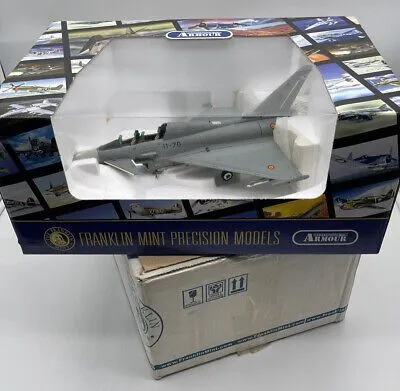
The Allure of Diecast Aircraft
Diecast aircraft collections captivate enthusiasts of all ages, offering a tangible connection to aviation history and a rewarding hobby. The appeal lies in the intricate details, the historical accuracy, and the simple joy of owning miniature replicas of iconic airplanes. Whether you’re a seasoned collector or just starting out, the world of diecast aircraft provides a rich tapestry of models, manufacturers, and historical significance that makes it a fascinating pursuit. The combination of historical relevance and aesthetic beauty draws many people.
The History of Diecast Aircraft
The history of diecast aircraft mirrors the evolution of aviation itself. Early models emerged as toys, gradually evolving into highly detailed and accurate representations of real-world aircraft. This evolution parallels advancements in manufacturing techniques and material science, resulting in the sophisticated models we see today. From simple tinplate toys to intricate replicas, the journey of diecast aircraft is a testament to human ingenuity and passion for flight.
Early Diecast Models

Initially, diecast models were primarily toys, often made of simple materials like tin and featuring basic designs. These early models, while not highly detailed, introduced children to the world of aviation. They served as a precursor to the more sophisticated and accurate models that would later become available. Early models were often created to replicate common aircraft used during the world wars.
Evolution of Manufacturing
As manufacturing technologies advanced, so did the quality and detail of diecast aircraft. The use of zinc alloy, along with improved molding techniques, allowed for more complex designs and finer detailing. The advent of computer-aided design (CAD) and precision manufacturing further enhanced the accuracy and realism of these models, making them highly sought after by collectors. These advancements improved the detail, scale and quality of the collections.
Types of Diecast Aircraft
The world of diecast aircraft encompasses a wide variety of aircraft types, from military fighters and bombers to civilian airliners and private jets. Each type offers its own unique appeal to collectors, based on historical significance, design, and personal preference. From the sleek lines of a fighter jet to the massive size of a commercial airliner, the diversity within diecast aircraft collections is impressive.
Military Aircraft

Military aircraft are a significant part of the diecast aircraft world, capturing the history and technological advancements of aviation during wartime. From classic biplanes to modern jet fighters, these models offer a glimpse into the history of aerial combat and the evolution of military technology. Military models are often highly detailed, with accurate paint schemes and markings, making them popular with collectors.
Civilian Aircraft
Civilian aircraft, including airliners, cargo planes, and private jets, provide a different appeal, focusing on the history of commercial aviation. These models showcase the evolution of aircraft design and the development of air travel. The intricate details on these models, such as airline logos and window placements, demonstrate the commitment to accuracy. Civilian models allow collectors to show of aircrafts used for commercial and personal transportation.
Materials Used in Diecast Aircraft
The materials used in diecast aircraft play a crucial role in determining the quality, durability, and appearance of the models. Zinc alloy is the most common material, but other materials like resin and plastic are also used to create components and enhance detail. The choice of materials impacts the weight, feel, and overall value of the model.
Zinc Alloy

Zinc alloy, a mixture of zinc and other metals, is the primary material used in diecast aircraft. Its weight and ability to hold fine details make it ideal for producing realistic and durable models. The use of zinc alloy allows manufacturers to create models with intricate designs and a high level of detail. Using this material helps collectors preserve their collection for a long time.
Resin and Plastic
Resin and plastic are often used for smaller parts, detailed components, or for models that require a lighter material. These materials can be molded into complex shapes and allow for the creation of highly detailed features. Their use in conjunction with diecast metal enhances the overall quality and aesthetic appeal of the model aircraft.
Scale and Accuracy
Scale and accuracy are central to the appeal of diecast aircraft. The models are meticulously crafted to represent the real aircraft in miniature form. The chosen scale determines the size and proportions of the model, while the accuracy refers to how closely the model replicates the real aircraft’s design, paint scheme, and details.
Common Scales

Several scales are commonly used in diecast aircraft, including 1:72, 1:100, 1:200, and 1:400. Each scale offers a different size and level of detail, catering to various collector preferences. The scale dictates the relative size of the model compared to the original aircraft. Collectors often have a preferred scale based on space constraints and detail requirements.
Importance of Detailing
The detailing of a diecast aircraft model is crucial to its authenticity and value. Manufacturers strive to replicate every aspect of the real aircraft, from panel lines and rivets to markings and paint schemes. The level of detail is what makes the model a great piece for collections, that shows off history and value.
Collecting and Displaying Diecast Aircraft
Collecting diecast aircraft is not just about acquiring models; it’s also about how you display and care for them. Proper display enhances the aesthetic appeal of your collection, while protecting your models ensures their longevity. Displaying is important to preserve the aircraft.
Choosing the Right Display

The right display can significantly enhance the presentation of your diecast aircraft collection. Consider using display cases, shelves, or specialized display stands. The display should protect the models from dust, sunlight, and accidental damage, while also showcasing them in an organized and visually appealing manner. This will allow you to proudly show off your pieces.
Protecting Your Collection
Protecting your diecast aircraft collection involves taking steps to prevent damage and preserve its value. This includes storing your models in a dust-free environment, avoiding direct sunlight, and handling them with care. Regular cleaning and maintenance can help keep your models looking their best for years to come.
Value and Investment Potential
Diecast aircraft can be more than just a hobby; they can also be a potential investment. The value of a model can increase over time, depending on factors like rarity, condition, and historical significance. Therefore, the careful selection and proper care of your collection are essential to maximize its investment potential.
Factors Affecting Value

Several factors influence the value of diecast aircraft. Rarity is a key factor, with limited edition models often commanding higher prices. The condition of the model, including its original packaging, also plays a significant role. The historical significance and demand for a particular aircraft type can also affect its value. Always consider the factors when starting a collection to ensure good return.
Rarity and Limited Editions
Limited edition diecast aircraft models are highly sought after by collectors, as they are produced in smaller quantities. Rarity increases the value of these models, making them desirable investments. Collectors often seek out limited edition models to enhance the uniqueness and value of their collections.
Finding and Buying Diecast Aircraft
Acquiring diecast aircraft involves knowing where to look and what to look for. Several avenues are available for purchasing models, from specialty shops and online retailers to auctions and collector’s fairs. Doing some research on models will ensure that you are not being scammed.
Where to Buy

You can find diecast aircraft at various places. Specialty shops offer a curated selection of models, while online retailers provide a vast inventory and competitive pricing. Auctions and collector’s fairs are excellent places to find rare and vintage models. Researching different outlets can help you find the best deals and discover unique additions to your collection. Be sure to consider online retailers.
What to Look For
When purchasing diecast aircraft, consider factors such as scale, detail, and condition. Inspect the model carefully for any imperfections or damage. Check for original packaging, as it can enhance the value of the model. Do your research and compare prices to ensure you’re getting a fair deal. Also, ensure that you have researched the vendor before purchasing.
Top 7 Facts About Diecast Aircraft
Here are the top seven facts about collecting diecast aircraft, encompassing the core aspects of this popular hobby:
Fact 1 Identifying the Scale and Details
Scale is key when starting your collection, with popular choices like 1:72, 1:200, or 1:400 affecting model size and detail. Paying attention to these details allows you to fully enjoy the craftsmanship of these miniature aircraft. The right scale gives your collection a nice look, especially when combined with detailed paint, etc.
Fact 2 The Historical Significance of Each Model
Each diecast aircraft carries a piece of history. Collectors are passionate about the significance of the plane model, from WWII fighters to commercial airliners. These models commemorate important events and people, adding a layer of depth to your collection. History gives each model a higher value.
Fact 3 Materials Used and Its Impact on the Quality
Diecast metal, resin, and plastic contribute to the model’s quality, with zinc alloy being the most common for durability and detail. These materials dictate a model’s weight, feel, and overall quality, making it important to know before purchasing. Ensuring you know the materials allows you to find a model you will enjoy.
Fact 4 Rare and Limited Editions
Limited edition models and rare releases can be a high-value asset to your collection. These models are often sought after by collectors. If you have a rare or limited edition piece, it will likely increase in value.
Fact 5 Military Diecast Aircraft
Military aircraft are a popular category, recreating iconic fighters and bombers. These models help showcase the advancements in military technology. For enthusiasts of military history, this collection offers a unique way to connect with history.
Fact 6 The Significance of Display
How you display your collection greatly impacts its visual appeal. Choosing the right display will preserve your collection. Ensuring that your models are protected from dust, sunlight, etc. The right displays make them a great addition.
Fact 7 The Investment Value
Diecast aircraft can be an investment. Their value often increases with rarity, condition, and demand. Collectors should also understand this when starting their collection. Make sure you choose pieces that will withstand time and maintain their value.
Conclusion
Diecast aircraft collecting offers a captivating blend of history, craftsmanship, and investment potential. From detailed models to historical accuracy, these miniature aircraft provide a rich experience. Whether you’re a seasoned collector or just starting out, the world of diecast aircraft has much to offer. With proper care, research, and appreciation for the hobby, you can build a collection that brings lasting enjoyment and potentially appreciates in value over time. Start your collection today!