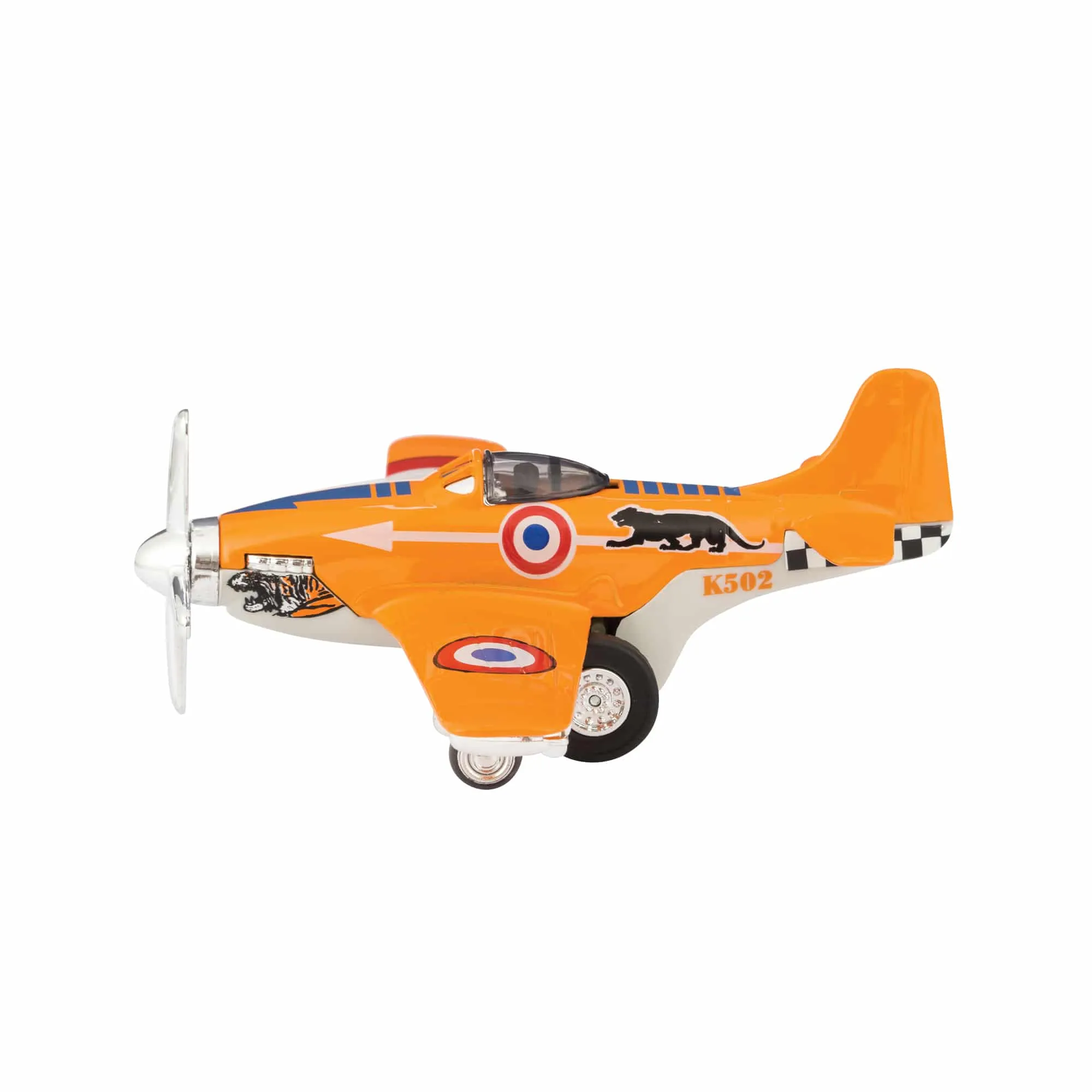
Diecast airplane collecting is a fascinating hobby enjoyed by aviation enthusiasts and model collectors worldwide. These meticulously crafted miniature aircraft offer a unique blend of historical appreciation, craftsmanship, and the sheer joy of collecting. Whether you’re a seasoned collector or just starting, this guide will provide you with the top 7 tips to enhance your diecast airplane collection and make the most of this rewarding pastime. From understanding scales to finding rare models, you’ll discover how to build a collection that you’ll be proud to display. These are more than just toys; they are representations of aviation history, each model telling a story of flight, innovation, and adventure. Get ready to take off on an exciting journey into the world of diecast airplanes!
Understanding Diecast Airplane Scales
One of the fundamental aspects of diecast airplane collecting is understanding the different scales in which these models are produced. Scale refers to the ratio between the size of the model and the actual size of the airplane. Common scales include 1:72, 1:100, 1:200, 1:400, and 1:500, among others. Each scale offers a different level of detail and a varied display size, making it important to choose scales that best suit your collecting goals and available display space. Knowing the scales will help you to better appreciate the dimensions of your models, and provide you with a clear understanding of how they relate to the real-life aircraft they represent. Selecting the right scales is the first step toward creating a cohesive and visually appealing collection.
Popular Scales Explained
Several scales are particularly popular among diecast airplane collectors. 1:200 scale is often favored for its balance of detail and size, making it ideal for showcasing models without requiring excessive display space. 1:400 scale is another popular choice, offering a more compact option, which is excellent for collectors with limited display areas. 1:72 scale is the largest scale and provides the highest level of detail, making the models a fantastic display piece, but requiring significantly more space. 1:500 scale is a great option for larger collections and those wanting to collect various aircraft types without sacrificing significant space. Different scales offer unique benefits, so research the different models available, and choose the scales that resonate best with your collecting style and goals.
Scale Considerations for Collectors

When selecting scales for your collection, consider factors such as available display space, the level of detail you desire, and the types of aircraft you wish to collect. If space is limited, smaller scales like 1:400 or 1:500 may be preferable. If you value intricate details and are willing to allocate more space, 1:72 or 1:200 scales could be more suitable. It’s also helpful to think about the types of aircraft you’re interested in. Some scales may offer a wider selection of certain aircraft types. Be sure to consider how the models will look together, and what you want to achieve with your collection’s overall presentation. A well-thought-out scale selection will greatly enhance the aesthetic appeal of your collection.
Choosing a Scale for Your Collection
The most important aspect of choosing a scale is to select one that aligns with your personal preferences and collecting objectives. Research different scales, examine models in each scale, and decide which ones best suit your needs. Many collectors opt to specialize in a particular scale to maintain consistency and uniformity. You can also explore collecting multiple scales, but be aware that this may require more display space and careful consideration of how the different scales will coexist within your collection. Ultimately, the best scale is the one that enables you to enjoy your hobby to the fullest. Don’t be afraid to experiment and change your approach as your collection evolves. The journey of a diecast airplane collector is a path of discovery, exploration, and personal expression.
Proper Storage and Display
Proper storage and display are critical for preserving the condition and value of your diecast airplane models. Exposure to sunlight, dust, and extreme temperatures can damage the paint, decals, and other delicate components. A well-organized display not only protects your models but also enhances their visual appeal and makes your collection more enjoyable. Good storage practices will ensure your models remain in excellent condition for years to come, preserving your investment and allowing you to showcase your passion to others. The care you take in storing and displaying your models reflects your commitment to the hobby and your appreciation for these miniature masterpieces.
Protecting Your Models

To protect your diecast airplane models, store them in a cool, dry place away from direct sunlight. Avoid extreme temperature fluctuations, which can cause warping or damage. Consider using display cases or cabinets to shield your models from dust and other environmental hazards. Regular dusting with a soft brush or cloth will help prevent the buildup of grime, and using protective covers can provide an extra layer of defense. Handle your models with clean hands and avoid touching the painted surfaces unnecessarily. Be mindful of the materials your display cases are made of, choosing those that are not likely to react with or damage the model’s paint or finish. These simple, yet effective measures will ensure your models remain in pristine condition.
Displaying Your Collection
Displaying your diecast airplane collection can be as enjoyable as collecting itself. Choose display cases, shelves, or cabinets that complement your models and the overall aesthetic of your space. Arrange your models thematically, such as by aircraft type, airline, or historical period. Consider using risers or stands to vary the heights of your models, adding visual interest to your display. Ensure that the lighting in your display area is sufficient for viewing your models without causing excessive glare or fading. Rotate your collection periodically to prevent light exposure on a single model and to keep your display fresh and exciting. Take the time to create a well-organized and visually appealing display that reflects your personal taste and your appreciation for these intricate models.
Cleaning and Maintenance Tips
Regular cleaning and maintenance are essential for keeping your diecast airplane models in top condition. Dust your models frequently with a soft brush, microfiber cloth, or compressed air to remove dust and debris. For more stubborn grime, you can gently wipe the models with a slightly damp cloth, using mild soap and water if necessary. Be extremely cautious when cleaning decals and delicate parts. Avoid using harsh chemicals or abrasive cleaners, which can damage the paint or surface finish. Periodically inspect your models for any signs of damage, such as loose parts or fading paint, and address these issues promptly. By implementing consistent cleaning and maintenance practices, you can preserve the beauty and value of your diecast airplane collection for many years.
Acquiring Diecast Airplanes

Building a diecast airplane collection involves more than just buying models; it involves a search for rare finds, expanding your aviation knowledge, and connecting with the community. There are numerous avenues for acquiring diecast airplanes, each offering a unique set of opportunities. Whether you’re a seasoned collector or a newbie, the following tips will guide you towards successfully acquiring new models and growing your collection. Understanding these avenues will make your collecting journey much more successful and enjoyable. It’s not just about owning the models, it’s also about the experience of the chase, the thrill of the find, and the joy of sharing this passion with other enthusiasts. Let’s begin!
Where to Buy Diecast Airplanes
There are many different places to purchase diecast airplane models. Each location has its own pros and cons, which will vary based on your collecting goals. Online retailers and specialty shops offer the convenience of a wide selection and easy access. Auctions and events provide the thrill of the hunt and the opportunity to find rare and valuable models. Thoroughly understanding each channel will make the acquisition process easier, and more enjoyable. Remember to do your research, compare prices, and check seller reputations before making any purchases. The best places to acquire your models depend on your collecting preferences, your budget, and the types of models you’re seeking. So let’s explore.
Online Retailers
Online retailers are a convenient source for buying diecast airplanes, offering a wide selection of models from various manufacturers. Well-known online marketplaces, such as eBay and Amazon, provide access to a vast range of models, both new and used. Dedicated diecast airplane retailers also offer a curated selection and expert knowledge. When buying online, it’s important to compare prices, review seller feedback, and check shipping costs. Examine product descriptions carefully and ask questions if needed. Online retailers offer the comfort of shopping from home, as well as detailed information about the models, customer reviews, and easy access to various brands. Some online retailers offer exclusive models, providing a unique opportunity for collectors.
Specialty Shops

Specialty shops, both brick-and-mortar and online, often provide a more personalized shopping experience for diecast airplane collectors. These shops usually have a carefully curated selection of models, as well as knowledgeable staff who can offer expert advice and assist you in finding the models you’re looking for. You may also find rare or limited-edition models that are not available through mass-market retailers. Specialty shops can be a great place to build relationships with other collectors, participate in club events, and learn more about the hobby. They are great for browsing and discovering new models. These specialty shops offer a deeper immersion into the world of diecast airplanes.
Auctions and Events
Auctions and collecting events offer the excitement of the hunt. Auctions, both online and in-person, provide the opportunity to bid on rare and vintage models. Collecting events, such as model shows and swap meets, are a great place to find unique models, meet other collectors, and negotiate prices. Both options offer the chance to unearth hidden treasures and expand your collection. Research upcoming events and auctions and set a budget before you participate. It’s also useful to familiarize yourself with the values of the models you are interested in. Auctions and events are not just about acquiring models; they are about the overall experience and the shared passion for diecast airplanes. It’s a good way to meet new people and expand your knowledge.
Identifying Authentic Models
Ensuring the authenticity of your diecast airplane models is essential for preserving their value and protecting your investment. Authentic models are those that have been produced by reputable manufacturers and are true representations of the original aircraft. Counterfeit or replica models can be tempting, but can diminish the value of your collection. Developing your expertise to accurately identify and differentiate genuine models from fakes is crucial. It requires close attention to detail, a good understanding of the manufacturers, and a willingness to invest time in researching models. A reliable collection of authentic models will also bring you much more enjoyment and satisfaction as a collector.
Authenticity Checks

Before purchasing a diecast airplane model, conduct thorough authenticity checks. Verify the manufacturer’s markings and logos on the model. Consult manufacturer catalogs or online resources to confirm the model’s specifications, including scale, aircraft type, and any unique features. Research the manufacturer’s reputation and identify any common characteristics of their models. Look for official certificates of authenticity, if available, and compare the model’s details to those on the certificate. If buying from a private seller, ask questions about the model’s history and origin, and request additional photos if needed. Don’t be afraid to seek expert opinions or consult with other collectors to help verify a model’s authenticity. This diligence will help you avoid purchasing counterfeit models and safeguard the value of your collection. Be a wise collector, always ask questions and seek expert advice.
Checking Details
Pay close attention to the details of the diecast airplane model. Examine the paint quality, decals, and the overall finish. Authentic models generally have high-quality paint jobs, with precise details and accurate markings. Compare the model to photos of the real aircraft, paying attention to the shape of the wings, tail, and fuselage. Look for any signs of poor craftsmanship, such as misaligned decals, sloppy paintwork, or incorrect proportions. Check the model’s packaging, as counterfeit models may have low-quality boxes or incorrect labeling. Compare the model’s weight and feel to those of authentic models. A genuine model will often have a substantial weight and a well-balanced feel. A keen eye for detail will help you distinguish between authentic and counterfeit models, ensuring that you’re acquiring genuine items for your collection.
Recognizing High-Quality Models
Recognizing high-quality diecast airplane models will enhance your collecting experience. Seek models from reputable manufacturers known for their attention to detail, such as GeminiJets, Herpa, and Inflight200. Look for models that feature accurate proportions, finely detailed markings, and realistic paint schemes. High-quality models often have detailed interiors, landing gear, and other intricate features. Examine the model’s packaging, as well-designed packaging often indicates a high-quality product. Read reviews from other collectors to learn about the quality and reputation of different models and manufacturers. Trust your gut and choose models that are well-made and that accurately represent the real aircraft. High-quality models will provide you with lasting enjoyment, and potentially increase in value over time. Choosing quality over quantity ensures the long-term value of your collection.
Joining the Diecast Airplane Community

The diecast airplane collecting community is a supportive and passionate group of individuals who share a common interest in aviation history and model collecting. Participating in this community offers many benefits, from expanding your knowledge to gaining access to rare models. Engaging with other collectors can enhance your hobby, and make it more enjoyable. It’s a great place to share tips and experiences with others, as well as learn about different manufacturers and models. Whether you’re a novice or a veteran, joining the community opens doors to new experiences and helps you grow as a collector. Engaging with other collectors enriches the entire hobby.
Online Forums and Groups
Online forums and groups are excellent platforms for connecting with other diecast airplane collectors. These forums and groups offer a space to ask questions, share photos of your models, and participate in discussions about various aspects of the hobby. You can find discussions on the latest releases, manufacturers, and collecting tips. Many online forums and groups have dedicated sections for trading and selling models, providing an easy way to acquire new additions to your collection. Joining these forums is an effective way to connect with other collectors, learn from their experience, and grow your own knowledge and appreciation for diecast airplanes. It’s also an easy way to be among like-minded enthusiasts.
Connecting with Collectors
Connecting with other diecast airplane collectors is a fantastic way to enhance your collecting experience. You can connect with others through online forums, social media groups, model shows, and collecting events. Engaging with other collectors allows you to share your passion, learn new collecting tips, and get access to rare models. Participating in the diecast airplane community enriches your hobby. Building relationships with other collectors can make collecting more enjoyable, offer opportunities for collaboration, and bring you new insights into your models. Joining a community is an excellent way to celebrate a shared passion for aviation and model collecting. The sharing of knowledge and experience will make collecting much more rewarding.
Trading and Selling
Trading and selling diecast airplanes is a significant part of the collecting community. Many collectors trade models to acquire new additions to their collection. Trading allows you to diversify your collection without spending additional money, and allows you to find rare and hard-to-find models. Selling models that you no longer want or need is a good way to fund your collection. Before trading or selling, it’s important to do your research, compare prices, and ensure that you are dealing with reputable collectors. Consider using online platforms or attending model shows and events. Trading and selling can make your hobby more economical, and give you a sense of community among collectors. Trading allows you to diversify your collection, while selling helps you to manage your collection and recoup some of your investment.
Top 7 Tips to Maximize Your Diecast Airplane Collection
These top 7 tips will guide you on your journey to build an amazing diecast airplane collection. Whether you are just starting out, or an established collector, these tips will help you to make the most of your hobby. From research to display, these are great tips for building and enjoying your collection. They are all based on years of experience, research, and passion for the hobby. They also provide guidance for a more enjoyable and fulfilling collecting experience. These tips encapsulate the essence of a successful diecast airplane collection.
Tip 1 Research and Plan
Before you start collecting diecast airplanes, invest some time in research and planning. Decide on a specific theme or focus for your collection, such as a particular airline, aircraft type, or historical period. Research the available models, manufacturers, and scales to determine what best suits your interests and goals. Set a budget and develop a collecting strategy that aligns with your financial resources. This will prevent impulse purchases and keep your collection organized. Planning is critical to building a focused and successful collection. Research will also allow you to discover new and exciting models that you never knew existed. Planning and research are key for the long-term enjoyment of your collection.
Tip 2 Set a Budget
Establishing a budget is essential for managing your diecast airplane collection. Set a limit on how much you are willing to spend monthly or annually on new models. Track your spending to ensure you are staying within your budget. Look for deals, discounts, and special offers to maximize your purchasing power. Set your priorities, and allocate your budget wisely to the models that you want the most. Remember, collecting should be a fun and enjoyable hobby, and a well-defined budget will prevent financial stress. Be disciplined and stick to your budget. A realistic budget will ensure the long-term sustainability of your collection. The budget allows you to collect without causing financial strain, ensuring that your hobby remains enjoyable.
Tip 3 Choose a Theme
Choosing a theme will help you focus your collection and make it more cohesive and visually appealing. Select a theme that resonates with your interests, such as collecting models of a specific airline, aircraft type, or historical era. This will help narrow down your choices and make your collecting goals more manageable. Collecting by theme will also help you to develop a deeper knowledge of aviation history and the specific aircraft that you are interested in. Having a clear theme will also make it easier to organize and display your collection, creating a visually satisfying and educational exhibit. Choosing a theme provides the structure and the framework for your collection, and makes your models much more interesting.
Tip 4 Quality Over Quantity
Prioritize quality over quantity when building your diecast airplane collection. Investing in fewer, high-quality models will provide more lasting enjoyment and potential value than acquiring numerous models of lesser quality. Look for models from reputable manufacturers known for their attention to detail and accurate representations of the real aircraft. Examine the paint quality, decals, and overall finish before making a purchase. Choose models that align with your theme and personal interests. Quality models will be more visually appealing, durable, and valuable over time. Be patient and selective, choosing the models that truly resonate with you. Building a collection based on quality ensures that you will be pleased with your collection for many years to come.
Tip 5 Protect Your Investment
Protect your diecast airplane models to preserve their condition and value. Store your models in a cool, dry place away from direct sunlight and extreme temperature variations. Use display cases or cabinets to shield your models from dust and other environmental hazards. Handle your models with clean hands and avoid touching the painted surfaces unnecessarily. Regularly dust your models and clean them with a soft cloth. Following these steps will help protect the value of your collection. Careful storage and handling practices will ensure that your models remain in pristine condition for years to come. Protect your investment, and your collection will continue to give you years of enjoyment.
Tip 6 Display Creatively
Displaying your diecast airplane collection is a great way to showcase your passion and share it with others. Choose display cases, shelves, or cabinets that complement your models and the overall aesthetic of your space. Arrange your models thematically, such as by aircraft type, airline, or historical period. Consider using risers or stands to vary the heights of your models, adding visual interest to your display. Ensure that the lighting in your display area is sufficient for viewing your models without causing excessive glare or fading. Get creative and experiment with different display options. A well-organized and visually appealing display will enhance your enjoyment of your collection. Let your creativity shine when displaying your collection. Take pride in presenting your diecast airplanes in a way that tells a story and engages viewers.
Tip 7 Share Your Passion
Sharing your passion for diecast airplanes with others is a rewarding experience. Connect with other collectors through online forums, social media groups, model shows, and collecting events. Share photos of your models, participate in discussions, and learn from other enthusiasts. Consider starting a blog or YouTube channel to share your knowledge and passion with a wider audience. Participating in the diecast airplane community will enhance your collecting experience and lead to new friendships and knowledge. Sharing your passion for the hobby is a great way to meet people, and share your enthusiasm. The community will help you to continue to enjoy your hobby and provide you with information for future collecting.
In conclusion, building a diecast airplane collection is a rewarding hobby that blends aviation history, model craftsmanship, and the thrill of collecting. By following the top 7 tips outlined in this guide, you can enhance your collecting experience and make the most of this fascinating pastime. Remember to research, plan, set a budget, choose a theme, prioritize quality, protect your investment, display your models creatively, and share your passion with others. With dedication and enthusiasm, your diecast airplane collection will become a source of joy, knowledge, and a stunning display of aviation history. Happy collecting!