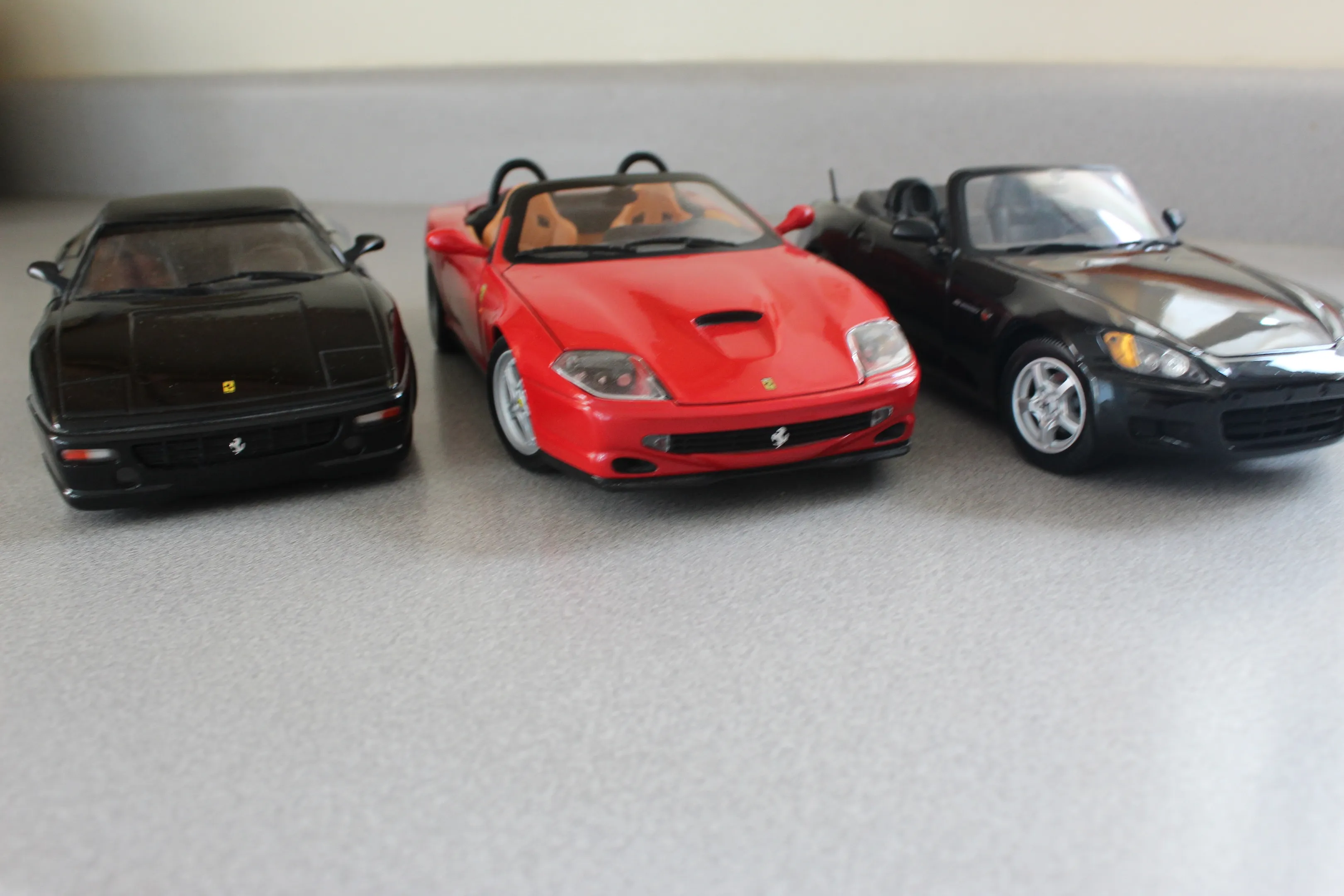
What Are Diecast Cars
Diecast cars are miniature replicas of real-life vehicles, meticulously crafted from diecast metal, typically zinc alloy, and other materials. These miniature marvels have captured the hearts of collectors and enthusiasts for decades, offering a tangible connection to automotive history and design. These collectibles aren’t just toys they’re detailed representations of iconic vehicles, cherished for their craftsmanship and the stories they tell. They represent an intersection of artistry, engineering, and nostalgia, making them a fascinating subject for anyone interested in cars or collecting.
A Brief History of Diecast Cars
The history of diecast cars dates back to the early 20th century, with the first models appearing in the pre-World War II era. Early examples were often simple toys made of lead or tin, but the post-war period saw the rise of more sophisticated models, particularly in Europe. Brands like Dinky Toys and Corgi Toys revolutionized the industry with their detailed designs and use of diecast metal, setting the stage for the wide variety of models we see today. These early manufacturers paved the way for the global hobby, fostering a rich tradition of collecting and appreciation for miniature vehicles. The evolution of these models reflects advancements in manufacturing techniques and a growing interest in automotive culture.
Materials Used in Diecast Cars

The construction of diecast cars involves a blend of materials, carefully chosen for their durability, detail, and aesthetic appeal. The primary component is diecast metal, often a zinc alloy, providing weight and a realistic feel. Additional materials like plastic, rubber, and sometimes even fabric, are incorporated to create intricate details. The combination of these materials allows manufacturers to capture the essence of real vehicles in miniature, from the gleaming metallic finish to the realistic interiors and tires. This meticulous approach is what separates these models from simple toys, transforming them into collectible works of art.
Zinc Alloy
Zinc alloy is the backbone of most diecast cars, chosen for its ability to be cast into intricate shapes and its strength. This alloy, often mixed with other metals like aluminum and copper, provides the weight and structural integrity necessary for these detailed models. The diecasting process allows manufacturers to create complex designs, capturing the subtle curves and features of real vehicles. The use of zinc alloy ensures that the miniature vehicles are durable, long-lasting, and feel substantial in hand. It’s a cornerstone of the diecast industry, enabling the production of high-quality collectible models.
Plastic Components
Plastic components play a crucial role in adding detail and realism to diecast cars. These parts, often used for interior elements, lights, and other features, are made using injection molding and other methods. Plastics offer versatility, allowing manufacturers to create intricate designs and reproduce fine details that might be difficult to achieve with metal. Plastic is also employed in the creation of the tires, windows, and other delicate features, contributing to the overall appearance and realism of these miniature vehicles. The combination of metal and plastic is key to creating models that capture the look and feel of the original cars.
Types of Diecast Cars

The world of diecast cars offers a diverse range of models, catering to a wide array of interests. From classic and vintage vehicles to modern sports cars and trucks, there is something for every collector. These models are categorized based on their scale, model type, and the era they represent. The variety available is one of the major appeals of collecting diecast cars, encouraging enthusiasts to explore different niches and expand their collections. Whether you have a passion for muscle cars, Formula 1 racers, or commercial trucks, there’s a diecast model to suit your taste.
Scale Sizes
Scale is a fundamental aspect of diecast car collecting, as it determines the size and proportions of the model. The scale indicates the ratio between the model’s size and the actual vehicle’s size. Different scales offer different levels of detail and are popular among collectors for different reasons. The most common scales include 1:18, 1:24, and 1:43, each offering its own set of advantages. Choosing a scale often depends on available space, the level of detail desired, and personal preference. Scale selection plays a significant role in how you curate and display your collection.
Common Scales 1 18, 1 24, and 1 43
Several scales have become standard in the diecast car world, providing collectors with a wide selection of models. 1:18 scale models are known for their large size and high level of detail, making them popular for display. 1:24 scale models offer a balance of detail and affordability, and they often provide a good starting point for new collectors. 1:43 scale models are smaller and more compact, ideal for those with limited space. The choice of scale depends on individual preferences, collecting goals, and the space available for display. The popularity of these scales has led to a vast selection of models, allowing collectors to find the perfect additions to their collections.
Model Types

Diecast car models encompass a wide array of vehicle types, each with its own unique charm and appeal. From vintage classics to modern marvels and commercial vehicles, there is something for every enthusiast. The diversity of model types makes collecting even more exciting, allowing collectors to build themed collections, focusing on specific eras, brands, or vehicle categories. Whether you have a fondness for iconic American muscle cars, sleek European sports cars, or rugged off-road trucks, you’ll discover a wealth of options. The model types represent different eras of automotive history and design, letting collectors appreciate the evolution of vehicles through time.
Classic Cars
Classic cars hold a special place in the hearts of many diecast collectors, representing a bygone era of automotive design and craftsmanship. These models often include vehicles from the early to mid-20th century, with iconic features like chrome accents, bold colors, and distinctive body styles. Collecting classic cars allows enthusiasts to relive the nostalgia of a golden age, appreciating the historical significance and timeless beauty of these vehicles. Owning miniature representations of classic cars is like having a piece of history in your hands. These models are valued not only for their aesthetic appeal but also for the stories they tell about the past.
Modern Cars
Modern cars are equally popular in the diecast world, showcasing the cutting-edge design and technological advancements of contemporary vehicles. These models replicate the sleek lines, advanced features, and innovative technologies found in today’s automobiles. Collecting modern cars allows enthusiasts to stay connected to the latest trends in the automotive industry, while enjoying the detailed craftsmanship of the models. Many collectors enjoy the opportunity to own miniature versions of the cars they drive. The focus on modern cars also reflects the continuous evolution of vehicle design, with each model a representation of current automotive trends.
Trucks and Commercial Vehicles

Trucks and commercial vehicles represent another significant segment in the diecast car world, capturing the essence of utility and industrial design. These models include everything from semi-trucks and delivery vans to construction vehicles and emergency services trucks. Collecting commercial vehicles offers a unique perspective on automotive history and functionality, highlighting the role these vehicles play in our daily lives. These models also provide an insight into the history of transport and industry, showing how vehicles have been built for specific tasks. The variety of trucks and commercial vehicles gives collectors an additional dimension to their collections, reflecting the many aspects of the automotive world.
Why Collect Diecast Cars
Collecting diecast cars offers a blend of pleasure, knowledge, and investment potential. Beyond the aesthetic appeal, these miniatures are often imbued with historical significance. These models appeal to a variety of interests, ranging from automotive history enthusiasts to those simply seeking a rewarding hobby. The value of collecting diecast cars goes beyond mere aesthetics, encompassing elements of education, nostalgia, and financial benefit. These qualities contribute to a hobby that has endured and flourished for many generations.
Investment Value
Some diecast cars, particularly limited editions or those that are rare, can appreciate in value over time, making them a potential investment. The market for diecast cars can be dynamic, with prices influenced by factors such as rarity, condition, and the demand for specific models. Collectors may look for sought-after models from the brand’s heyday or rare versions to enhance their collection. The investment value of diecast cars gives another dimension to collecting, adding a financial aspect to the enjoyment of the hobby. Collectors must research the market and understand the factors influencing the value to make informed decisions.
Historical Significance

Diecast cars often represent historical vehicles, capturing the essence of design and technology from different eras. Collecting these models is like having a tangible connection to the history of automobiles, reflecting the evolution of design, manufacturing, and automotive culture. Certain models may have historical relevance, such as those of iconic race cars or cars used in important events. These miniature vehicles serve as a reminder of the automotive industry’s impact on society, as well as a tool to preserve memories of these vehicles. For enthusiasts of history, these models offer a way to appreciate the legacy of past vehicles.
Display and Aesthetics
Diecast cars offer a beautiful display and aesthetic pleasure, making them a perfect addition to any room. Collectors often take pride in arranging and displaying their collections, creating visually appealing displays that showcase their passion. Proper display methods, such as using display cases, shelves, or custom setups, are key to enhancing the presentation of your collection. A well-curated collection can be a conversation starter, reflecting the collector’s style and interest. The visual beauty of diecast cars adds a creative element to the hobby, turning a collection into a work of art.
How to Choose Diecast Cars
Choosing diecast cars involves a combination of personal preference, research, and an understanding of what makes a good model. The process is made simpler by establishing a clear goal, such as a particular brand or a type of vehicle. From the type of vehicle to the scale you want, many elements will affect your decisions. By following some advice, collectors can select and accumulate models that give them satisfaction. Creating a plan and gathering all available information before making a purchase will boost your satisfaction.
Researching Brands and Models

Conducting research is key to making informed decisions when collecting diecast cars. Start by researching different brands, considering their reputations for quality, detail, and historical significance. Explore the range of models available from each brand, paying attention to the scales, features, and the level of detail. Reading reviews and collecting opinions from other collectors can provide invaluable insights. Gathering background data will help you choose the models that best suit your tastes and collecting goals. Research is key to a fulfilling and enjoyable collecting experience.
Identifying High-Quality Diecast Cars
Distinguishing high-quality diecast cars from other models requires a keen eye for detail and an understanding of what to look for. Examine the model’s construction and materials, looking for solid craftsmanship and quality finishing. Pay attention to the details, such as the level of realism in the interior, the accuracy of the paint job, and the precision of the decals. A higher price tag doesn’t always ensure quality, but well-made models are often more costly. The presence of detailed features like working doors, steerable wheels, and other functions is also an indicator of quality. By observing and paying attention to these characteristics, collectors can make informed choices.
Checking for Details and Accuracy
Accuracy is crucial when evaluating diecast car models, especially for serious collectors who value realism. Review the model’s details, looking for the right proportions, exact interior features, and any other distinctive characteristics of the real vehicle. Some models contain intricate details, such as an engine bay, that you can review. Comparing the model to images of the real vehicle can help you gauge its accuracy. Paying attention to the authenticity of the model will make it feel more valuable and enjoyable. The attention to detail and accuracy is often what makes a diecast car truly special.
Diecast Cars Care and Maintenance
Caring for and maintaining your diecast car collection is key to preserving its condition and value. Regular cleaning, proper storage, and careful handling are essential. These models, being miniature works of art, need to be protected from damage, dust, and other elements. By taking proper care of the cars, you can ensure they stay in their best condition for years. The approach you take will depend on the size and the value of your collection.
Cleaning Your Collection
Cleaning your diecast cars regularly is a crucial maintenance step to keep them in pristine condition. Use a soft brush or microfiber cloth to gently remove dust and debris. For more serious cleaning, you can use a mild soapy solution, but be careful to avoid damaging the paint or delicate components. Ensure that the cars are completely dry before storing them. Regular cleaning helps prevent the buildup of dirt, which can cause damage. With a regular cleaning routine, you can keep your models looking great and preserve their value.
Safe Storage Practices
Proper storage practices are critical to protect your diecast cars from damage. Store your models in a cool, dry place away from direct sunlight and extreme temperatures. Consider using display cases or protective boxes to guard against dust and accidental damage. Avoid stacking the models on top of each other, as this can cause scratches or other issues. Maintaining a stable environment will help preserve the models’ condition over time. Careful storage helps ensure that your collection remains in great shape for years to come.
Displaying Your Collection
Displaying your diecast car collection can be a rewarding experience, letting you showcase your passion while adding aesthetic appeal to your living space. Consider using display cases to protect the models while showcasing them beautifully. You could also organize your collection by brand, model type, or scale to enhance the visual appeal. The way you display your models is a reflection of your personal style. By selecting display methods that suit your collection and the look you wish to create, you can build a space that reflects your enthusiasm for diecast cars.
Where to Buy Diecast Cars
There are many avenues for acquiring diecast cars, ranging from online marketplaces to specialty stores and collecting communities. Exploring these different channels will allow you to discover the ideal sources to meet your collecting needs. Understanding the pros and cons of each channel can help you make informed decisions and build your dream collection.
Online Marketplaces
Online marketplaces, such as eBay and Amazon, provide a vast selection of diecast cars, allowing you to find both new and used models from various sellers. The advantage of using online marketplaces is the wide range of options, competitive prices, and the ability to easily compare models. However, it’s essential to exercise caution and research sellers before making a purchase. Ensure the seller has positive feedback and is reputable. Also, check the model’s description and photos carefully. Shopping online provides convenience and a comprehensive array of options, making it a viable choice for collectors.
Specialty Stores
Specialty stores, both online and brick-and-mortar, are dedicated to selling diecast cars and offer a curated selection. These stores often have knowledgeable staff who can offer advice and help you locate specific models. Specialty stores may have rare or limited-edition models. The advantage of specialty stores is the personalized customer service and the ability to see the models up close before buying. The experience provides a more engaging buying experience than online shopping. This can be a good option for dedicated collectors.
Collecting Communities and Clubs
Joining collecting communities and clubs will enhance your collecting experience, providing opportunities to interact with fellow enthusiasts. These communities offer a platform to share knowledge, exchange tips, and learn more about different brands and models. You can locate models through meetups or events. Participating in such groups will help you build relationships with other collectors. Sharing your enthusiasm with people who share your hobby will make collecting diecast cars even more fun. Collecting communities and clubs will help you meet fellow collectors.
Diecast cars offer a fascinating blend of history, artistry, and passion. From their origins to the diverse range of models available today, diecast cars reflect the automotive industry’s progress. Whether you are drawn to the meticulous detail of 1:18 scale models or the nostalgia of classic cars, there’s a diecast car to ignite your interest. This guide will help you in discovering the wonderful world of diecast cars, whether for investment, aesthetic enjoyment, or a rewarding hobby. Your collection will grow over time, so start your diecast car adventure now and enjoy the excitement of this special hobby.