What are Diecast Cars
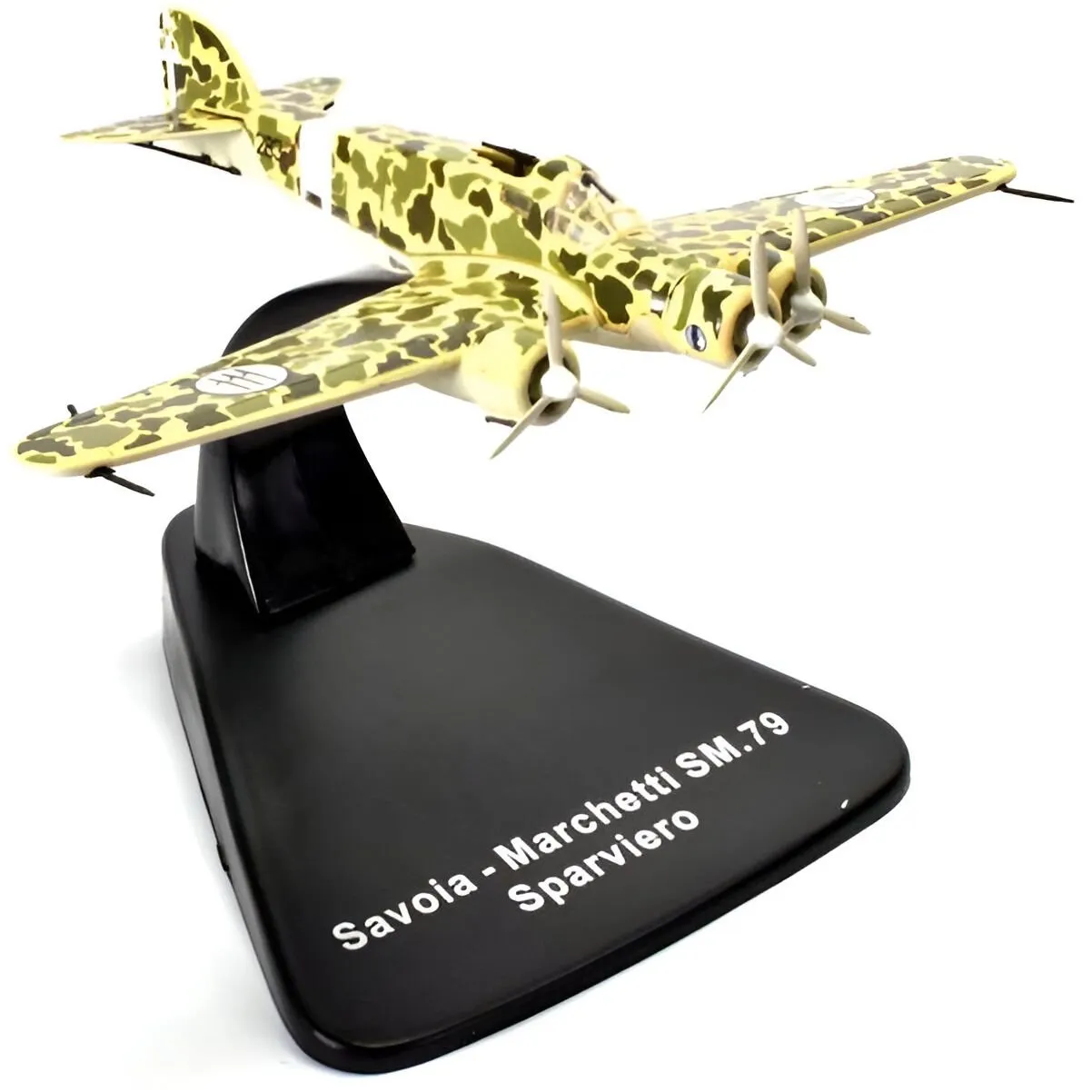
Diecast cars are miniature scale models of automobiles, manufactured using the die-casting process. These highly detailed models have captivated collectors and enthusiasts of all ages for decades. From classic cars to modern supercars, diecast cars offer a tangible way to appreciate automotive design and history. They are more than just toys; they are meticulously crafted replicas that capture the essence of their full-sized counterparts. The appeal lies in their accuracy, the variety of models available, and the opportunity to build a collection of vehicles that represent different eras, brands, and automotive achievements. These cars are often made of metal, which gives them a substantial feel and contributes to their durability and collectibility.
The Origins of Diecast Cars
The history of diecast cars stretches back to the early 20th century, with their initial development driven by a need for durable toy cars. Early examples were simpler in design and were primarily made of lead or other metals. The die-casting process, which involves injecting molten metal into molds, revolutionized production, enabling the creation of intricate details and mass production. The Second World War significantly impacted diecast car manufacturing, as the die-casting technology was also used to make components for military equipment. Post-war, the technology and skills learned during the war were applied to the toy industry, leading to a boom in the production of detailed and affordable diecast cars. This period marked the beginning of diecast cars becoming widespread collectibles.
How Diecast Cars are Made

The manufacturing of diecast cars is a sophisticated process that involves several key steps. It starts with the design phase, where detailed blueprints and specifications are created. The molds, which are the heart of the die-casting process, are then manufactured. These molds are meticulously crafted to capture every detail of the car’s design. The molds are typically made from steel, as they need to withstand high temperatures and pressures. Once the molds are ready, the die-casting process begins. Molten metal, usually zinc alloy, is injected into the molds under high pressure. After the metal cools and solidifies, the car bodies are removed from the molds. The finished bodies then undergo further processes like painting, detailing, and assembly, bringing the miniature vehicles to life.
The Diecast Process
The die-casting process itself is a marvel of engineering. The molten metal is forced into the mold cavity with immense pressure, ensuring that every intricate detail is captured. The high pressure also helps to minimize porosity in the final product, making the diecast cars stronger and more durable. The mold design is crucial, as it affects the quality of the final product. The molds are often complex, with multiple parts that come together to create the car’s body. Ejector pins are used to remove the solidified metal from the mold. The process is highly automated, allowing for mass production and consistent quality. It’s a process of precision and efficiency, producing detailed models at a mass scale.
Materials Used in Diecast Cars
The most common material used in diecast car manufacturing is a zinc alloy, often combined with aluminum and copper. This alloy provides a good balance of strength, durability, and the ability to take fine detail. The metal bodies are then painted, typically with several coats of paint, to achieve the desired color and finish. Plastic is also used extensively in diecast cars, for parts like the interior, tires, and windows. The tires are often made of rubber or a similar material to enhance realism and provide grip. Decals and tampo printing are used to add details like logos, markings, and other intricate designs. These materials, combined with precise manufacturing techniques, contribute to the quality and realism of diecast cars.
7 Amazing Facts About Diecast Cars

Fact 1
The first diecast toy cars appeared in the early 1900s, initially as simple toys made from lead. These early models paved the way for the intricate and detailed cars we know today. These early models were primarily designed as novelty items and for children, but they served as the basis for the evolution of diecast technology and design, ultimately influencing the evolution of diecast cars.
Fact 2
Diecast cars come in a wide range of scales. The most common scales are 1:18, 1:24, and 1:43, with each scale offering a different level of detail and size. The scale is a ratio that indicates the size of the model relative to the actual car. For instance, a 1:18 scale model is 1/18th the size of the real car. The choice of scale often depends on the collector’s preference and the availability of models.
Fact 3

Some diecast cars are incredibly valuable. Rare models, limited editions, and vintage cars can fetch thousands of dollars at auction. Factors like rarity, condition, and historical significance contribute to the value of a diecast car. Certain manufacturers and models have become highly sought after by collectors, driving up their prices. Investing in diecast cars can be a rewarding endeavor.
Fact 4
Diecast cars are not just for kids. Adult collectors make up a significant portion of the diecast car market, with many enthusiasts investing significant time and money in their collections. The hobby provides a sense of community, with collectors sharing their passion through online forums, clubs, and shows. Many collectors specialize in specific brands, eras, or types of cars, building extensive and highly curated collections.
Fact 5
Detailed craftsmanship is a hallmark of high-quality diecast cars. Manufacturers pay close attention to every detail, from the interior and engine to the wheels and tires. Opening doors, hoods, and trunks are common features on more sophisticated models. The level of detail can be truly astounding, with some models featuring working steering, suspension, and even realistic engine sounds.
Fact 6

The diecast car industry has a global reach, with manufacturers and collectors located all over the world. Many companies produce diecast cars, and there are dedicated retailers and online marketplaces. Diecast car shows and events are held regularly, bringing collectors together to showcase their collections and trade models. The global nature of the hobby adds to its vibrancy and appeal.
Fact 7
Diecast cars offer a unique way to celebrate automotive history. Many models are replicas of iconic cars from different eras, allowing collectors to own a piece of automotive history. From classic muscle cars to vintage race cars, the selection of available models is vast. The hobby provides a tangible connection to the evolution of cars and the stories behind them. Collecting diecast cars is like owning a miniature museum of automotive art.
Collecting Diecast Cars
Collecting diecast cars is a rewarding hobby that offers both personal enjoyment and potential investment opportunities. Whether you’re a seasoned collector or just starting, the key is to find a niche that interests you. Starting a collection can be an enjoyable experience, driven by the desire to own and admire these miniature masterpieces. The journey often begins with selecting a favorite type of car, a particular brand, or a specific scale.
Tips for Collectors

When starting a diecast car collection, set a budget to manage expenses. Research the market to understand the value and availability of different models. Build relationships with reputable dealers and other collectors. Join online forums and clubs to connect with fellow enthusiasts and learn from their experiences. Consider what you want to specialize in – whether it is a brand like Hot Wheels, a scale like 1:18, or types of cars such as classic sports cars.
Displaying Your Collection
Displaying your diecast car collection can be as enjoyable as collecting the cars themselves. Consider using display cases, shelves, or specialized display stands. Protect your cars from dust, sunlight, and temperature fluctuations. Organize your collection by brand, scale, or type of car. Rotate your display to keep things fresh and showcase different models. Proper display not only protects your investment but also enhances the visual appeal of your collection.
Caring for Your Diecast Cars
Proper care and maintenance are important for preserving the value and condition of your diecast cars. Dust your cars regularly with a soft cloth or brush. Avoid direct sunlight and extreme temperatures. Handle your cars with care and avoid touching the surfaces too often. Store your cars in a cool, dry place when not on display. Consider using protective cases or display boxes to minimize dust and damage.
Investing in Diecast Cars

Diecast cars can be a viable investment, but it’s essential to approach it with knowledge and patience. Research the market to identify models that are likely to appreciate in value. Consider factors such as rarity, limited editions, and historical significance. Stay informed about market trends and the availability of different models. Collect cars that you are passionate about, as this will make the investment process more enjoyable.
Factors that Affect Value
Several factors can influence the value of a diecast car. Rarity is a key factor, as limited edition models and those with a low production run are often more valuable. Condition is critical, as cars in pristine condition with their original packaging command higher prices. Historical significance, such as models representing a significant automotive event or design, can also increase value. The brand and manufacturer play a role.
Where to Buy and Sell
There are numerous avenues for buying and selling diecast cars. Online marketplaces such as eBay and specialized online retailers offer a wide selection of models. Local hobby shops, antique stores, and car shows are also great places to find diecast cars. Auction houses specialize in rare and valuable models. When selling your collection, research current market values.
Conclusion
Diecast cars offer a fascinating blend of history, craftsmanship, and collecting. From their humble beginnings to the intricate models available today, diecast cars have captivated enthusiasts of all ages. Whether you are drawn to their detail, historical significance, or investment potential, the world of diecast cars offers something for everyone. As you begin or grow your collection, enjoy the journey, embrace the community, and celebrate the miniature marvels that represent a rich and exciting world of automotive history and design. Happy collecting!