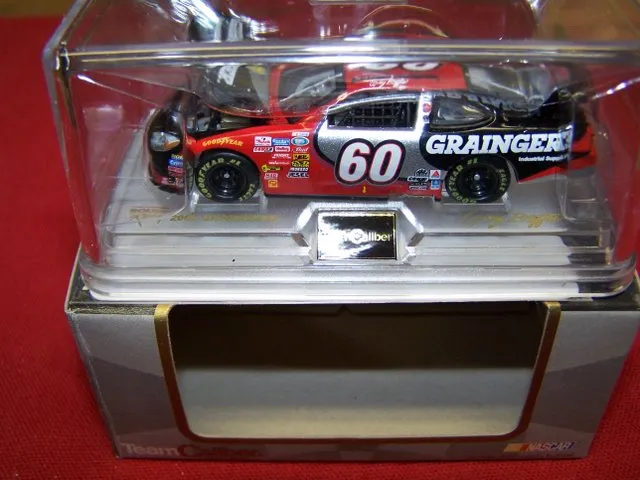
Diecast Cars Collecting: The Fundamentals
Diecast car collecting is a rewarding hobby that combines passion, history, and investment potential. Whether you’re drawn to the sleek lines of classic sports cars, the rugged appeal of vintage trucks, or the futuristic designs of concept vehicles, the world of diecast cars offers something for everyone. This guide dives into the top 7 tips to help you start, build, and enjoy your own diecast car collection. It is crucial to understand the basics, from the different scales and types to how to source and maintain your models. With the right knowledge, you can transform a casual interest into a thriving and fulfilling pastime. Getting started with collecting these miniature marvels can be an exciting journey, filled with the thrill of the hunt and the satisfaction of curating your perfect collection. Remember, collecting is about enjoyment and the personal connection you have with each piece.
Understanding Scale and Types
One of the first things you will encounter when starting your diecast car journey is the concept of scale. Scale refers to the ratio of the model’s size to the real-life vehicle. The most popular scales include 1:18, 1:24, 1:43, and 1:64. Each scale offers a different level of detail and size, influencing display options and the amount of space required for your collection. Understanding these differences is key to building a cohesive and visually appealing collection. Some collectors prefer the larger scales for their detailed features, while others choose smaller scales for their space-saving qualities and broader range of available models. Furthermore, knowing the types of diecast cars helps you specialize. From classic cars and modern sports cars to trucks, buses, and military vehicles, you can focus on a particular type to curate your collection, making it more personal and focused.
Choosing Your Preferred Scale

Selecting a scale is a crucial decision as it impacts the overall look and feel of your collection. 1:18 scale models are larger and offer the most intricate details, ideal for showcasing in display cases. Models in 1:24 scale provide a balance between detail and size, making them popular for beginners. 1:43 and 1:64 scales are smaller, allowing for a greater variety of models within a limited space, perfect for those with space constraints or who want to build a vast collection. Consider your available space, budget, and desired level of detail when choosing a scale. Some collectors choose a single scale, while others mix scales to create a dynamic display. It’s all about what brings you the most enjoyment and aligns with your collecting goals.
Exploring Different Diecast Car Types
The world of diecast cars extends far beyond just classic cars. You can specialize in specific types, eras, or brands to create a unique and curated collection. Classic cars represent a bygone era, with their iconic designs and historical significance. Modern sports cars showcase the latest automotive technology and sleek designs. Trucks and commercial vehicles offer a different aesthetic, adding diversity to your collection. Military vehicles appeal to history buffs, while race cars offer a dynamic and action-packed theme. By specializing, you can focus your collecting efforts, making it easier to find and manage your models. This specialization also allows you to develop deeper knowledge and appreciation for the specific area you are interested in. Diversifying across different car types adds interest to your collection.
Sourcing the Right Diecast Cars
Finding the right diecast cars involves more than just stumbling upon them. It requires knowledge of where to look and how to identify authentic and valuable models. Knowing the best places to find diecast cars is essential. The key is to explore different avenues. Understanding the market and where the best opportunities lie can significantly impact your collecting experience. This could include online marketplaces, local hobby shops, and car shows. The more options you explore, the better your chances of discovering unique models that will make your collection stand out. Make sure to compare prices, check the condition, and consider shipping costs before making a purchase. Researching reputable sellers and reading reviews can help you avoid potential issues.
Where to Find Diecast Cars

There are several avenues for sourcing diecast cars, each with its own advantages. Online marketplaces and auctions such as eBay and dedicated diecast forums offer a vast selection of models from various sellers. Local hobby shops and car shows provide a hands-on experience where you can inspect models and connect with other collectors. Estate sales and antique shops can occasionally yield hidden treasures at attractive prices. The key is to be patient, persistent, and willing to explore different options. Sometimes, the most rewarding finds come from unexpected places. Building relationships with sellers and fellow collectors can also provide insider information on upcoming sales and rare finds. Make sure to stay informed about upcoming shows and sales.
Online Marketplaces and Auctions
Online marketplaces and auctions offer unparalleled access to a global inventory of diecast cars. Sites like eBay are treasure troves, with a constant flow of listings ranging from common models to rare, highly sought-after collectibles. Be sure to research the seller’s reputation and read reviews before making a purchase. Auctions can present opportunities to find great deals, but also require vigilance and strategic bidding. Familiarize yourself with the platform’s policies and understand the shipping and return processes. Many diecast car forums and specialized websites have dedicated sections for sales and trading, connecting you with fellow collectors. This can provide access to models that you might not find elsewhere. Online marketplaces are convenient, but it’s important to exercise caution and always conduct due diligence.
Local Hobby Shops and Shows
Local hobby shops and car shows offer a more tactile and social collecting experience. Hobby shops provide a curated selection of diecast cars, often with knowledgeable staff who can offer expert advice. Car shows and swap meets bring collectors and dealers together, creating an opportunity to examine models in person and negotiate prices. Attending these events is a great way to build relationships with other collectors and expand your network. Local events also often offer unique models not available online. Car shows often feature rare or limited-edition cars that can become the centerpiece of your collection. Interacting with other collectors can provide valuable insights and collecting tips. Always bring cash, as many vendors may not accept credit cards.
Evaluating Condition and Authenticity

Assessing the condition and authenticity of diecast cars is crucial for making informed purchases and protecting the value of your collection. Pay close attention to details like the original packaging, paint quality, and the presence of all original parts. A model in mint condition with its original box is typically more valuable than one without it. Learning to spot signs of wear, damage, or modifications will prevent costly mistakes. It takes practice to become proficient at evaluating diecast cars. Being meticulous and thorough in your assessment is essential. Take your time, ask questions, and don’t hesitate to seek advice from experienced collectors. It is important to prioritize the authenticity of the model before the purchase.
Inspecting the Packaging and Details
The packaging of a diecast car is often as important as the model itself. Original boxes protect the car and increase its value. Inspect the box for any signs of damage, such as tears, creases, or fading. Check for any missing parts or accessories, such as mirrors, antennas, or display stands. Pay close attention to the paint quality. Look for any chips, scratches, or imperfections. Ensure all the original decals and markings are present and in good condition. Inspect the wheels, tires, and undercarriage for any signs of wear or damage. Original detailing and components help determine the overall value of the model. Taking a close look at the packaging will help you make an informed decision about its authenticity and value.
Identifying Original and Replica Cars
Distinguishing between original models and replicas is a key skill for any collector. Research the model’s production history and identify any known variations or modifications. Compare the model to pictures of the original to look for any discrepancies. Examine the materials and manufacturing techniques used. Replicas often use cheaper materials or have less detailed features. Look for any telltale signs of alterations, such as repainted parts, replaced decals, or missing components. Verify the model’s markings, such as the manufacturer’s logo, scale, and model number. Consult with other collectors or online resources to confirm the model’s authenticity. Authentic models will retain their value and provide more enjoyment as a collector.
Maintaining and Displaying Your Collection

Proper care and display are essential for preserving the condition and value of your diecast car collection. Following correct storage and cleaning techniques will protect your models from damage and deterioration. Displaying your collection thoughtfully will showcase your passion and add visual appeal to your living space. Investing time in these practices will reward you with a collection that remains pristine for years to come. Good maintenance keeps your collection looking its best. It can also protect your investment in the long term. A well-displayed collection can spark conversations and provide endless enjoyment.
Proper Storage and Cleaning Techniques
Store your diecast cars in a cool, dry place away from direct sunlight to prevent fading and damage. Avoid storing them in attics or basements where temperature and humidity fluctuations can be extreme. Use display cases with UV protection to shield your models from sunlight. Clean your models regularly with a soft cloth or a specialized diecast car cleaner. Avoid using harsh chemicals or abrasive materials that can damage the paint or details. Handle your models carefully, and always hold them by the chassis rather than by delicate parts like mirrors or antennas. Good storage keeps your models in top condition.
Showcasing Your Collection
How you display your diecast cars can be as important as the cars themselves. Consider using display cases, shelves, or custom-built display units to showcase your collection. Arrange your models by scale, type, brand, or any other organizational system that suits your preference. Add themed backgrounds, miniature accessories, or lighting to enhance the visual appeal of your display. Rotate your collection periodically to keep things fresh and prevent dust buildup. The goal is to create a visually engaging display that sparks joy and reflects your personal style. Proper display can protect your investment.
Collecting Value and Investment

Diecast car collecting can offer both enjoyment and potential financial returns. Although the primary focus should always be the love of the hobby, understanding market trends and collecting strategies can enhance the value of your collection over time. Some diecast cars, particularly limited-edition models or those in mint condition, can appreciate in value. Learning about market trends, trading, and selling strategies will enable you to make informed decisions. While collecting should be enjoyable, approaching it with an awareness of the investment potential is a smart move. However, it’s essential to remember that the market can fluctuate, and there’s no guarantee of appreciation. Prioritize collecting cars you love and enjoy. Collecting can potentially provide financial returns.
Understanding Market Trends
Keep informed about the current market trends to make smart collecting choices. Monitor prices of models you are interested in, tracking which ones are appreciating in value. Research limited-edition releases, rare models, and vintage cars, as these are often the most valuable. Follow reputable online resources, collector forums, and auction results to understand the supply and demand dynamics. Learn about the factors that influence value, such as the manufacturer, scale, condition, and rarity. Knowing these market trends gives you a better understanding of the value of your models. Staying on top of market trends can help you make informed buying and selling decisions.
Tips for Trading and Selling
If you decide to trade or sell some of your diecast cars, there are several things to consider. Research the current market value of the models you intend to sell. Use online resources, collector forums, and auction results to determine fair pricing. Take high-quality photos of your models to accurately represent their condition. Be honest and transparent about any imperfections or damage. Consider selling on established online marketplaces, at local car shows, or through collector networks. If you are trading, establish fair exchange values based on model rarity and condition. Trading can be a good way to expand your collection without spending money. Be prepared to negotiate and always be professional in your dealings.