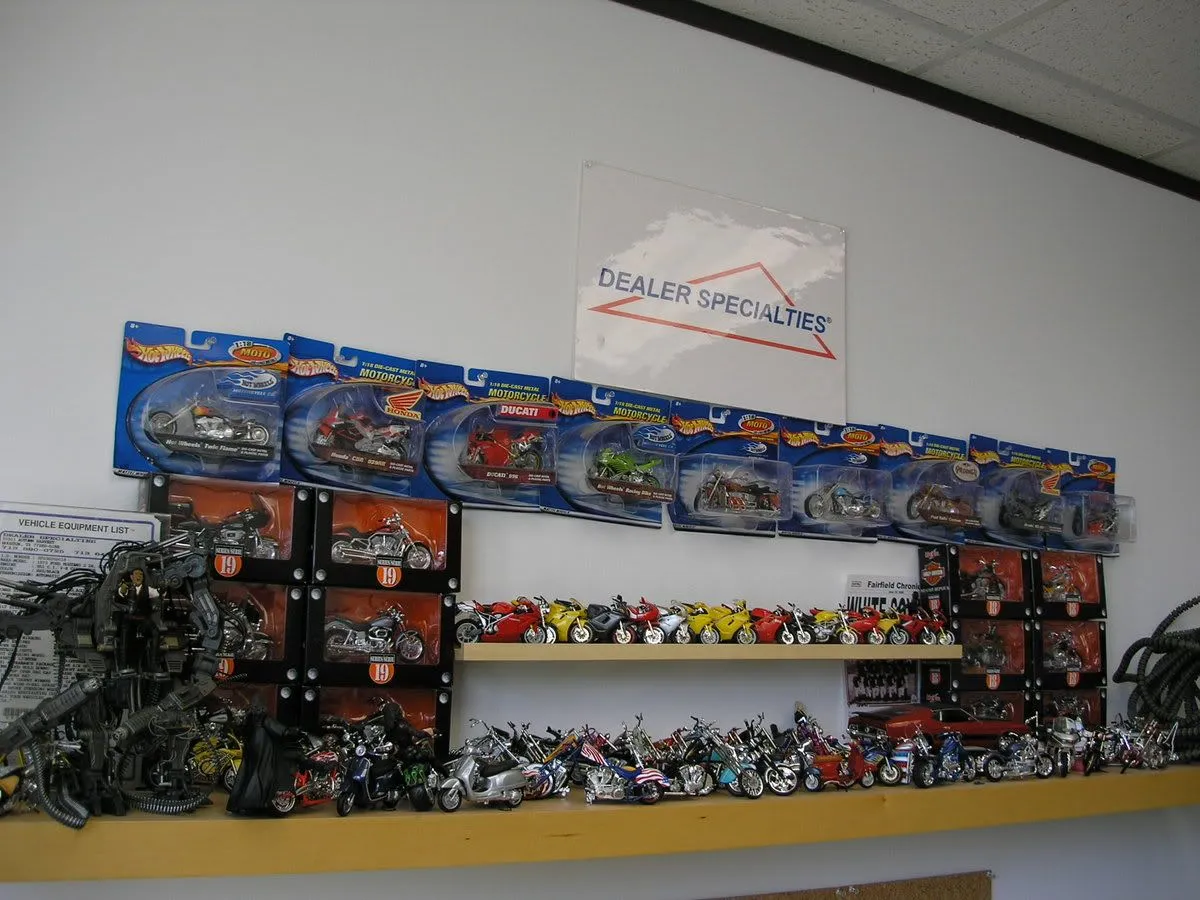
What Are Diecast Models? An Overview
Diecast models are miniature replicas of vehicles, aircraft, and other objects, meticulously crafted using a specialized manufacturing process. These models are highly sought after by collectors and enthusiasts of all ages, prized for their detail, accuracy, and durability. From classic cars to modern aircraft, diecast models capture the essence of their real-world counterparts, making them a fascinating subject of interest. The creation of these miniature marvels involves a sophisticated combination of materials, techniques, and precision engineering. Understanding how these models are made and the materials involved provides a deeper appreciation of their value and craftsmanship. The process has evolved significantly over time, with advancements in materials and techniques constantly enhancing the realism and quality of these miniature collectibles.
The Die-Casting Process
At the heart of diecast model production lies the die-casting process, a high-precision manufacturing technique. This method is crucial to replicate intricate designs and complex shapes of vehicles. Die-casting allows for the rapid and efficient production of detailed parts, ensuring a high level of accuracy and consistency across all models. The process uses molten metal, typically alloys of zinc, aluminum, or steel, which is forced into a mold under high pressure. This process is followed by a rapid cooling and solidification, the metal takes the shape of the mold. This method is an integral part of creating the detailed replicas that collectors cherish. The precise control offered by die-casting ensures that each model meets the rigorous standards of quality and detail.
Die Casting in Detail

The die-casting process begins with the creation of the mold, or die, which is a critical step. The die is usually made of hardened steel and consists of two or more parts that come together to form the shape of the model. Once the mold is ready, molten metal is injected into the mold cavity under high pressure. This pressure ensures that the molten metal fills every detail of the mold, creating a precise replica. After injection, the metal cools and solidifies within the mold, a process that can take a few seconds to a few minutes depending on the size and complexity of the model. Once cooled, the mold is opened, and the solidified part is ejected. The process is known for its efficiency, allowing for mass production of accurate, high-quality parts.
Mold Design and Creation
The design and creation of the mold is a sophisticated process, crucial to the final quality of the diecast model. The mold, often made of hardened steel, is meticulously designed to capture every detail of the vehicle or object being replicated. This design includes intricate features such as panel lines, door handles, and other fine details. The mold-making process involves computer-aided design (CAD) and computer-aided manufacturing (CAM) to ensure precision. The mold is then created using CNC machining, EDM, or other advanced manufacturing techniques. Careful consideration of mold design, including the placement of gates and vents, is vital to ensure proper metal flow and prevent defects in the final product. The result of a well-designed mold is a highly accurate and detailed diecast model.
Metal Injection and Cooling
The metal injection phase involves forcing molten metal into the mold under high pressure. This step is crucial for the detailed replication of complex shapes. The molten metal, heated to a specific temperature, is injected through gates and runners designed to distribute the metal evenly throughout the mold cavity. The high pressure ensures that the metal fills all the intricate details of the mold, creating a precise replica. After injection, the mold is rapidly cooled to solidify the metal. This cooling process is carefully managed to prevent warping or defects, maintaining dimensional accuracy and structural integrity. Efficient cooling is critical to production speed and the quality of the finished diecast model.
Material Composition of Diecast Models

Diecast models are made from a variety of materials, each contributing to the model’s final appearance, durability, and quality. The primary material used is typically a metal alloy, chosen for its ability to capture fine details and withstand the manufacturing process. In addition to metal, plastic components are often used for parts like interiors, tires, and other detailed elements. Paints, decals, and other finishes are used to enhance the model’s realism. The combination of these materials provides both the visual appeal and structural integrity desired in a high-quality diecast model. The careful selection and application of these materials are key to the models’ quality.
Zinc Alloys
Zinc alloys are one of the most commonly used materials in diecast model production due to their excellent castability, dimensional accuracy, and affordability. These alloys, often composed of zinc, aluminum, magnesium, and copper, offer a good balance of strength and detail reproduction. Zinc alloys can replicate fine details with ease, making them ideal for models that require intricate designs, such as engine components or interior features. Furthermore, zinc alloys have low melting points, which simplifies the die-casting process and reduces production costs. The use of zinc alloys has contributed to the widespread availability of affordable, high-quality diecast models.
Advantages of Zinc Alloys
The advantages of zinc alloys in diecast models include their excellent castability, allowing for intricate designs, and their dimensional stability, which ensures that the models retain their shape and detail over time. Zinc alloys have a low melting point, which reduces energy consumption and production costs during the die-casting process. Their good mechanical properties, such as tensile strength and hardness, make models durable and resistant to wear and tear. Additionally, zinc alloys are readily available and cost-effective compared to some other materials, making them a popular choice for mass production. The material’s ability to be finished with various paints and coatings adds to its versatility.
Aluminum Alloys

Aluminum alloys provide a lighter alternative to zinc alloys while still delivering excellent performance. They are known for their high strength-to-weight ratio, making them ideal for models where weight is a factor. Aluminum alloys offer good corrosion resistance, enhancing the longevity of the models, and also provide excellent thermal conductivity, which helps in rapid cooling during the die-casting process. While slightly more expensive than zinc, aluminum alloys allow for more complex designs and fine details. This makes it an excellent choice for premium models that emphasize high quality and precision.
Advantages of Aluminum Alloys
Aluminum alloys offer several benefits in diecast model manufacturing. Their light weight reduces overall model weight and makes the handling and display easier. Their high strength-to-weight ratio provides durability without adding excessive bulk. Aluminum alloys are resistant to corrosion, making them ideal for models intended for long-term display or outdoor environments. Furthermore, aluminum alloys offer good thermal conductivity, which ensures efficient cooling during the die-casting process, increasing production speed. Their ability to be finished with a variety of coatings and paints contributes to the overall aesthetic appeal of the model.
Steel Alloys
Steel alloys are used in diecast models for their exceptional strength and durability. Steel provides the highest strength of the metals used, making it suitable for models that require robust construction or need to withstand considerable stress. Although steel is heavier and more difficult to cast than zinc or aluminum, its superior strength makes it an excellent choice for certain structural components or highly detailed parts. However, steel alloys require more advanced casting techniques, making it less common in mass-produced diecast models. Steel is often chosen for premium models that require a high level of precision and durability.
Advantages of Steel Alloys

Steel alloys provide the greatest strength and durability for diecast models. Their high strength allows for thinner sections, which reduces the overall weight while maintaining structural integrity. Steel alloys offer excellent resistance to wear and tear, making models ideal for handling and play. Despite their challenges in casting, the strength of steel ensures that models retain their shape and detail over time. They provide an opportunity to create parts with very fine details. Steel alloys require advanced casting techniques but offer an unmatched combination of strength and durability.
Plastic Components in Diecast Models
Plastic components play a significant role in diecast model construction, supplementing metal parts to enhance detail and functionality. Plastics are used for a variety of elements, from interiors and tires to smaller details like mirrors and windshields. The use of plastics allows for greater design flexibility and the incorporation of intricate details that might be difficult to achieve using metal alone. Plastics also offer advantages in terms of weight reduction, which can improve the overall balance and feel of the model. With their versatility, plastics allow manufacturers to create more realistic and functional models.
Types of Plastics Used
Several types of plastics are employed in diecast model manufacturing, each with unique properties and uses. ABS (Acrylonitrile Butadiene Styrene) is popular for its impact resistance and versatility, making it ideal for interior components, dashboards, and other durable parts. PVC (Polyvinyl Chloride) is often used for tires due to its flexibility and ability to simulate the look and feel of rubber. Polycarbonate is chosen for clear parts like windows and headlights because of its clarity and impact resistance. Additionally, polyacetal is used for small, detailed parts where precision and dimensional stability are critical. Each plastic type is selected to meet specific requirements, enhancing the realism and functionality of the models.
Uses of Plastics

Plastics have a wide range of applications in diecast models, enhancing both aesthetics and functionality. Interior components, such as seats, dashboards, and door panels, are often made of ABS plastic, providing durability and intricate detail. Tires, typically made of PVC, are designed for flexibility and realistic appearance. Clear plastics, like polycarbonate, are employed for windows and headlights, offering clarity and impact resistance. Smaller details such as mirrors, wipers, and other exterior elements are also crafted from plastics, adding to the realism and accuracy of the models. The use of plastics allows for complex designs and reduces the overall weight of the models.
Paint and Finishing
Paint and finishing are essential steps in creating high-quality diecast models, enhancing their visual appeal and realism. The paint application process involves several layers, including primer, base coat, and clear coat, each serving a distinct purpose. The choice of paint type depends on factors like durability, finish, and color accuracy. Techniques like airbrushing and precision masking are used to achieve detailed color schemes and accurate representations of real-world vehicles. Finishing processes such as polishing and detailing bring out the luster of the paint, adding the final touches that make the model look realistic. Proper paint and finishing ensure that the models meet the high standards expected by collectors.
Types of Paints Used
The selection of paint is crucial in the diecast model manufacturing. Acrylic paints are frequently used for their ease of application, rapid drying, and wide range of colors. Enamel paints offer high durability and resistance to chemicals, making them suitable for long-term display. Lacquer paints are known for their glossy finish and are often preferred for high-end models. Each paint type requires a specific application method, ranging from airbrushing to spray painting. The paint must adhere well to the metal or plastic surfaces and maintain its color and gloss over time. Choosing the right paint helps create a realistic and visually appealing finish.
Finishing Processes

After painting, a variety of finishing processes further enhance the appearance and quality of diecast models. Polishing removes imperfections and creates a smooth, glossy surface. Decals and tampo printing are employed to add detailed markings, logos, and graphics. Detailing involves adding small components, such as mirrors, door handles, and other exterior elements. These finishing touches improve realism and attention to detail. Quality control includes inspecting the models for defects and ensuring that all the components are properly assembled. The finishing process is essential for producing the high-quality models that collectors value.
Assembly and Quality Control
The final stages of diecast model production involve assembly and quality control, which are critical to ensuring that the models meet high standards. Skilled technicians assemble the various components, carefully attaching plastic parts, wheels, and other details to the metal chassis. Accurate assembly requires precision and attention to detail. Quality control measures are implemented throughout the manufacturing process, including inspections at each stage. Thorough checks ensure that the models are free of defects, with all components correctly fitted and the paint finish is of high quality. The final quality control process guarantees that each model is flawless, providing collectors with a satisfying experience.
Assembly Techniques
Diecast model assembly involves a variety of techniques to securely attach components and ensure accurate fit. These techniques include snap-fit connections, screws, and adhesives. Snap-fit connections are used to join parts, providing a secure and easy-to-assemble method. Screws are used to connect larger components, such as the chassis and body, adding strength and stability. Adhesives are used for attaching small details, such as mirrors and interior components. The correct assembly of each part is crucial to the model’s structural integrity and the overall aesthetics. Skilled technicians carefully assemble the models, making certain that all parts align correctly and that the model functions as intended.
Quality Control Measures

Quality control measures are essential for guaranteeing the high standards of diecast models. These measures begin early in the manufacturing process, with inspections of raw materials and components. During the die-casting process, regular checks are made to ensure that the molds are functioning correctly and the castings are free of defects. Paint and finishing processes are inspected for consistent color, smooth finishes, and precise details. Final inspections involve checking that the model is correctly assembled, all components are properly attached, and the overall appearance meets the expected standards. Comprehensive quality control ensures that each diecast model is a high-quality collectible.
The Future of Diecast Model Materials
The future of diecast model materials is constantly evolving, with innovations that will enhance the detail, durability, and environmental sustainability of these collectible items. New metal alloys are continuously being developed, offering greater strength, improved corrosion resistance, and enhanced ability to capture fine details. Advancements in plastics are leading to more realistic and durable components, while also reducing the environmental impact. Sustainable materials are increasingly being considered, incorporating recycled content or biodegradable materials to minimize waste. Further advancements in paints and finishing processes are expected, which will improve color accuracy, durability, and environmental safety. The continued innovation in materials and techniques will ensure that diecast models remain a highly desirable and collectable hobby.