The Allure of Diecast Scale Car Models
Diecast scale car models have captivated enthusiasts for generations, offering a unique blend of artistry, history, and collectibility. These miniature replicas of iconic automobiles are more than just toys; they are meticulously crafted representations of automotive history, embodying the spirit of innovation and design. The appeal lies in their ability to transport collectors back in time, evoke fond memories, and fuel a passion for the automotive world. From classic muscle cars to sleek modern supercars, diecast models offer a tangible connection to the vehicles we admire. They provide an accessible entry point into the world of collecting, allowing enthusiasts to build impressive collections without the space and financial constraints of owning full-size vehicles. The level of detail and craftsmanship involved in creating these miniature masterpieces is truly remarkable, making them cherished items for collectors of all ages.
The History of Diecast Cars
The history of diecast cars dates back to the early 20th century, with the initial models emerging in the form of small, solid metal toys. These early examples were primarily used as promotional items or simple playthings. Over time, advancements in manufacturing techniques and materials transformed these basic toys into highly detailed scale models. The post-World War II era saw a surge in the popularity of diecast cars, as manufacturers began to focus on creating more realistic and intricate designs. Brands like Dinky Toys and Corgi Toys became household names, producing models of popular cars, trucks, and buses. These early diecast models laid the foundation for the sophisticated and detailed collectibles we see today, paving the way for the vibrant and diverse diecast market.
Early Diecast Manufacturing Techniques

Early diecast manufacturing relied on basic techniques, primarily involving the injection of molten metal into molds. The materials used were often lead or other heavy metals, which contributed to the weight and durability of the models. These early molds were relatively simple, with limited detail compared to the sophisticated designs of modern models. The manufacturing process was labor-intensive, requiring skilled workers to operate the machinery and assemble the various parts of the model. Despite the limitations of these early techniques, the resulting diecast cars were remarkably robust, able to withstand the wear and tear of playtime. These early manufacturing processes established the fundamental principles of diecast production, setting the stage for future advancements in the field.
Key Materials Used in Diecast Models
The materials used in diecast models have evolved over time, with manufacturers seeking to balance durability, detail, and cost-effectiveness. While early models often utilized lead, modern diecast cars primarily employ zinc alloys. Zinc alloy offers a good combination of strength, fluidity, and the ability to capture fine details. Other materials used include plastics for interior components, tires, and windows, and sometimes rubber or vinyl for tires. Paint and decals are applied to achieve realistic finishes, with manufacturers employing various techniques to replicate the colors and markings of the real-world vehicles. The combination of these materials, along with skilled craftsmanship, results in the highly detailed and visually appealing diecast models that collectors cherish.
Zinc Alloy
Zinc alloy is the most prevalent material used in the production of modern diecast scale car models. Its popularity stems from its favorable properties, including low melting point, good fluidity, and excellent dimensional stability. This allows manufacturers to create intricate designs with fine details, replicating the complex shapes and features of real cars. Zinc alloy is also durable, capable of withstanding the handling and potential impacts associated with model collecting. Furthermore, the material is relatively inexpensive, contributing to the affordability of diecast models. The use of zinc alloy has significantly improved the quality and realism of diecast cars, making them a preferred choice for collectors worldwide.
Diecast Scale Car Models and Scale Sizes

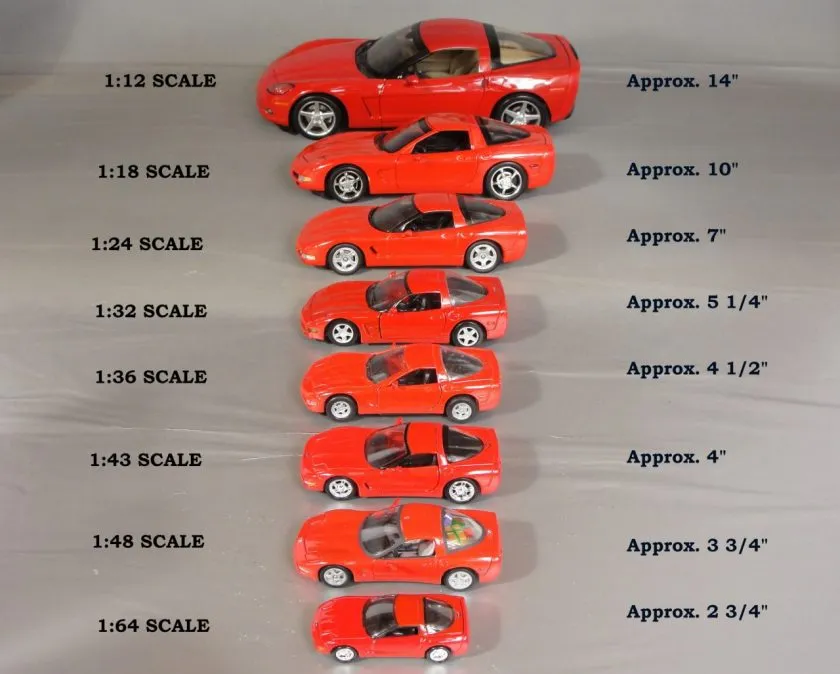
Scale is a critical aspect of diecast scale car models, determining the relative size of the miniature replica compared to the original vehicle. The scale is expressed as a ratio, such as 1:18 or 1:43, indicating that one unit of measurement on the model represents a corresponding number of units on the actual car. Different scales cater to different collecting preferences, with each offering its own advantages. Some collectors prefer larger scales for their detailed features, while others favor smaller scales for their compact size and ease of display. Understanding the scale allows collectors to build a collection that aligns with their interests and available space. The scale of a diecast model significantly influences its overall appearance, detail level, and perceived value.
Popular Scales in Diecast Models
Several scales are popular among diecast car collectors, with each offering unique characteristics. The most common scales include 1:18, 1:43, and 1:24. These scales represent different sizes, levels of detail, and collecting preferences. The choice of scale often depends on factors such as available display space, the level of detail desired, and the collector’s budget. The availability of models also varies by scale, with some scales featuring a wider selection of vehicles than others. Collectors often specialize in a particular scale, allowing them to build a focused and cohesive collection. Other scales include 1:64, which is popular for Hot Wheels and similar toy cars, and larger scales like 1:12 for exceptionally detailed models.
1 18 Scale Models
1:18 scale models are among the most popular and highly sought-after in the diecast car world. These models offer a significant size, allowing for exceptional detail and intricate features. With a 1:18 scale model, collectors can appreciate details such as opening doors, hoods, and trunks, detailed engine compartments, and realistic interior features. This scale offers a balance between size and detail, making it an excellent choice for collectors who want a comprehensive and visually impressive display. The larger size also makes these models more durable and easier to handle. These models are ideal for showcasing individual cars and are often the centerpiece of a collection.
1 43 Scale Models

1:43 scale models are another popular choice, offering a more compact size that is ideal for displaying a large collection. These models are smaller than 1:18 scale, making them easier to store and display in limited spaces. While the detail may not be as extensive as in larger scales, 1:43 models still provide a high level of realism and are often very well-detailed. This scale is particularly favored by collectors who specialize in specific car manufacturers, racing teams, or model years. The smaller size also makes these models more affordable, allowing collectors to acquire a wider variety of vehicles. This scale is perfect for building a diverse and expansive collection.
1 24 Scale Models
1:24 scale models strike a balance between the detail of larger scales and the space-saving convenience of smaller scales. These models offer a substantial level of detail, often including opening doors, detailed interiors, and realistic engine compartments. They are generally more affordable than 1:18 models, making them an attractive option for both novice and experienced collectors. 1:24 scale models often feature a wide range of vehicles, including classic cars, modern sports cars, and trucks. The size is also suitable for dioramas and custom displays. This scale offers a great compromise between detail and affordability, making it a versatile choice for collectors.
Top 7 Fascinating Facts About Diecast Scale Car Models
Diecast scale car models offer a wealth of interesting facts and trivia that can enhance the collecting experience. From historical details to manufacturing techniques, the world of diecast cars is full of captivating insights. These facts not only provide a deeper appreciation for the models themselves but also enrich the collector’s understanding of the automotive world. Here are seven fascinating facts to spark your interest and broaden your knowledge of diecast scale car models.
Fact 1 The Realism

The level of realism in modern diecast models is truly remarkable. Manufacturers use advanced techniques to replicate every detail of the original vehicles, from the body shape and paint finish to the interior features and engine components. Many models feature opening doors, hoods, and trunks, allowing collectors to examine the intricate details inside. The use of high-quality materials, such as zinc alloy and detailed paint, further enhances the realism. Some models even include working suspension and steering, adding to the authenticity of the replicas. The dedication to accuracy is what truly sets diecast models apart.
Fact 2 The Collectibility
Diecast scale car models are highly collectible, with values that can range from a few dollars to several thousand. Factors such as rarity, manufacturer, and condition influence the value of a model. Limited edition models, those with unique features, and those in mint condition often command premium prices. Collectors search for specific models to complete their collections, driving up demand and value. The collectibility of diecast cars makes them an exciting investment for enthusiasts, providing a tangible asset that can appreciate over time. The market is always evolving, with certain models gaining value as they become harder to find.
Fact 3 The Historical Significance
Diecast scale car models serve as miniature time capsules, preserving the history of the automotive industry. These models accurately replicate the designs, features, and even the paint colors of vehicles from different eras. They offer a tangible connection to the past, allowing collectors to appreciate the evolution of automotive design and engineering. The models often reflect significant moments in automotive history, such as the introduction of iconic cars or the development of innovative technologies. Collecting diecast cars is a way to connect with and celebrate the heritage of the automobile.
Fact 4 The Detailing

The level of detail in diecast models is one of their most captivating features. Manufacturers go to great lengths to replicate even the smallest details of the original vehicles, from the dashboard gauges and interior trim to the engine components and exterior badges. Some models feature photo-etched parts, such as grilles and emblems, for added realism. The paint finishes are often meticulously applied, with multiple layers to achieve a deep and lustrous appearance. The attention to detail is what distinguishes high-quality diecast models, making them miniature works of art.
Fact 5 The Investment Potential
Certain diecast scale car models can appreciate in value over time, making them attractive investments for collectors. The value of a model is influenced by several factors, including rarity, condition, and demand. Limited-edition models, those with unique features, and those in mint condition often increase in value. The popularity of the original vehicle also plays a role, with models of iconic cars tending to be more valuable. Careful research and knowledge of the market are essential for those looking to invest in diecast cars, as the value can fluctuate. Diecast cars provide a tangible investment with the added enjoyment of collecting.
Fact 6 The Variety
The world of diecast scale car models offers an incredibly diverse range of vehicles, encompassing nearly every make, model, and era imaginable. From classic cars to modern supercars, and everything in between, there’s a diecast model to suit every taste. Manufacturers produce models of sedans, trucks, SUVs, sports cars, race cars, and even concept cars. The variety extends to different scales, finishes, and detailing levels. The sheer breadth of options allows collectors to specialize in specific types of vehicles or build a diverse collection. This extensive variety is a key factor in the enduring appeal of diecast car collecting.
Fact 7 The Craftsmanship

The craftsmanship involved in creating diecast scale car models is truly remarkable. The process requires a combination of engineering, design, and skilled manufacturing techniques. The creation of a single model involves numerous steps, including designing the molds, casting the components, assembling the parts, applying paint and decals, and meticulously inspecting the finished product. Each model is a testament to the dedication and expertise of the craftsmen who create them. The high level of craftsmanship contributes to the overall quality, detail, and value of diecast models, making them highly sought-after collectibles.
Caring for Your Diecast Scale Car Models
Proper care and maintenance are essential to preserve the condition and value of your diecast scale car models. Protecting your collection from dust, sunlight, and other environmental factors can help prevent damage and maintain their appearance. Regular cleaning and careful handling are also important. By following these tips, you can ensure your models remain in excellent condition for years to come. Careful storage and display are crucial to preserving your collection.
Dusting and Cleaning Techniques
Dusting and cleaning your diecast scale car models should be done with care to avoid damaging the delicate details. The best method for removing dust is to use a soft brush or a microfiber cloth. Avoid using abrasive materials or harsh chemicals, which can scratch the paint or damage the decals. For more stubborn dirt or grime, you can gently wipe the model with a slightly damp microfiber cloth. Allow the model to air dry completely before returning it to its display case. Regular cleaning helps to keep your models looking their best and protects their value.
Proper Storage Methods
Proper storage is critical for protecting your diecast scale car models from damage. Store models in a cool, dry place away from direct sunlight and extreme temperatures, which can damage the paint or plastic components. Consider using display cases or storage boxes to protect the models from dust and accidental bumps. If you are storing models for a long period, it is recommended to wrap them individually in soft tissue paper or bubble wrap. Proper storage ensures that your models remain in excellent condition, preserving their value and beauty for years to come.
Displaying Your Collection
Displaying your diecast scale car models is a great way to showcase your collection and share your passion with others. There are many creative ways to display your models, from simple shelves to elaborate dioramas. Consider using display cases to protect the models from dust and damage. Arrange your models thematically, such as by manufacturer, scale, or model year. Use lighting to enhance the display and highlight the details of the models. Get creative with your display, creating a visually appealing presentation that reflects your personal style and collecting preferences. A well-displayed collection can become a focal point in your home and a source of pride for any collector.
In conclusion, diecast scale car models offer a captivating world of collecting, history, and craftsmanship. From the intricate details to the historical significance, these miniature replicas provide an enduring appeal to enthusiasts worldwide. Whether you are a seasoned collector or just starting, the world of diecast cars offers something for everyone. Embrace the passion, appreciate the detail, and enjoy the journey of building your own collection. The world of diecast scale car models is an exciting hobby that combines the love of cars with the joy of collecting.