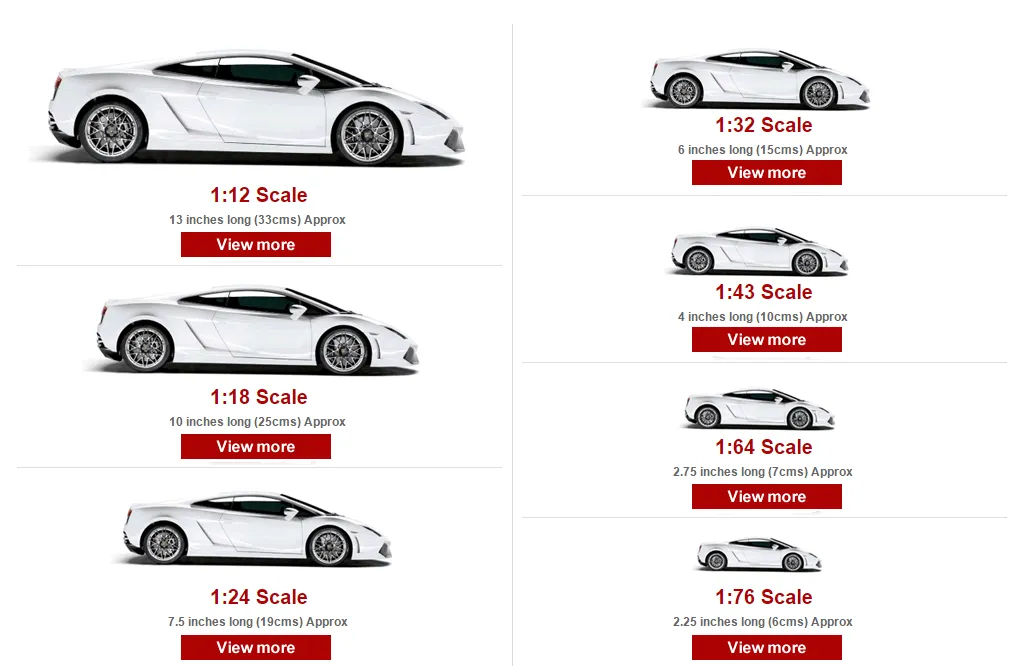
Understanding Diecast Scale Sizes
Diecast scale sizes are a fundamental aspect of the model car collecting hobby, influencing everything from the detail of the model to the space required for display. Choosing the right scale is crucial for both new and seasoned collectors, impacting how you experience and appreciate these miniature replicas. The scale refers to the ratio between the size of the model car and the actual size of the real vehicle. Understanding this concept is the first step toward building a satisfying collection. It determines the level of detail, the materials used, and the overall aesthetic appeal. This guide will help you navigate the various scale sizes, considering their unique characteristics and how they align with your collecting goals. Selecting the appropriate scale can significantly enhance your collecting journey, offering a richer and more enjoyable experience.
What are Diecast Scale Sizes?
Diecast scale sizes are essentially mathematical ratios that represent the relationship between a model car’s dimensions and its real-life counterpart. For example, a 1 18 scale model means that the model is 1 18th the size of the actual car. This ratio affects every aspect of the model, including its length, width, and height, as well as the level of detail that can be incorporated. Different scales offer varying degrees of detail, which affects the overall collecting experience. The most popular scale sizes, like 1 64, 1 43, 1 24, and 1 18, provide distinct benefits and appeal to different collectors. These ratios allow for a standardized approach to model car production, allowing collectors to easily compare models and plan their displays. A deeper understanding of these scales enhances a collector’s ability to curate a balanced and aesthetically pleasing collection.
Common Diecast Scale Sizes

Several scale sizes dominate the diecast world, each catering to different preferences and collecting strategies. These scales represent the most popular choices among collectors, offering diverse levels of detail, pricing, and display options. Each scale offers unique benefits. For example, 1 64 scale is often favored for its affordability and space-saving qualities, while 1 18 scale is prized for its high level of detail and impressive presence. Choosing the right scale from this selection allows for a more focused and enjoyable collecting experience. It’s essential to understand the characteristics of each scale to make an informed decision.
1 64 Scale Features and Details
The 1 64 scale is a favorite among many collectors due to its compact size and affordability. These models are generally small enough to fit comfortably in display cases or on shelves without taking up excessive space, making them ideal for collectors with limited room. Despite their smaller size, manufacturers strive to include a surprising amount of detail, from accurate paint jobs to detailed interiors. The low price point makes this scale very accessible to beginners, allowing them to build a diverse collection without a significant financial commitment. The scale is also very popular with slot car enthusiasts and those who enjoy creating elaborate dioramas. This scale is a great starting point for new collectors looking to explore the hobby without a significant investment.
1 43 Scale Popularity and Benefits
1 43 scale models offer a balance between size and detail, making them a popular choice for many collectors. These models are larger than 1 64 scale, allowing for more intricate detailing and a greater sense of realism. The increased size provides more surface area for manufacturers to incorporate features like opening doors, detailed engines, and authentic interiors. The scale is still relatively compact, allowing for a significant collection without requiring excessive space. Collectors often appreciate the balance it strikes between detail and display practicality, as models can be displayed individually or arranged in themed collections. This scale is particularly popular for showcasing iconic vehicles and recreating historical moments. The 1 43 scale strikes a great balance for collectors who want detailed models without needing too much display space.
1 24 Scale Large Scale for Collectors

The 1 24 scale represents a significant step up in size, offering even more space for detailed features and impressive visual impact. These models are larger, providing a more immersive collecting experience and allowing collectors to appreciate the craftsmanship and precision that goes into each model. Collectors often focus on specific car models and enjoy the ability to showcase their favorite vehicles in great detail. The larger size allows for the inclusion of many more functional features, such as opening doors, working steering, and highly detailed engine compartments. While these models take up more space, they make a strong statement in any display. This scale is popular for collectors who appreciate the tactile and visual aspects of their collection. The 1 24 scale delivers a satisfying collecting experience for those who enjoy larger, more detailed models.
1 18 Scale Highly Detailed Models
The 1 18 scale is the pinnacle of diecast model detail and quality, offering the most comprehensive and immersive collecting experience. These models are significantly larger, allowing for an unparalleled level of detail, including finely replicated interiors, intricate engine components, and authentic paint finishes. The scale allows manufacturers to include a vast array of functional features, such as working suspension, operational steering, and opening panels. Collectors of this scale often prioritize accuracy and realism, appreciating the precision and craftsmanship that goes into each model. They are ideal for those who want a highly detailed, visually striking collection, even if they require more display space. The scale is the preferred choice for collectors who want the most realistic and detailed models possible, making it an investment in quality and precision.
Factors to Consider When Choosing a Scale Size
Selecting the appropriate diecast scale involves considering several key factors that align with your personal preferences, collecting goals, and available resources. The choice isn’t just about liking a particular model; it’s about creating a collection that you can truly enjoy. The space you have for displaying models, your budget, and the types of vehicles you want to collect are significant considerations. By considering these factors, you can narrow down the choices and find the scales that best fit your needs. The goal is to create a collection that you can easily manage, enjoy, and proudly display, making the selection process an essential step in your collecting journey.
Collecting Space Available

The amount of space you have available for your collection is a critical factor in determining which diecast scale is right for you. Larger scales like 1 18 and 1 24 require more room, both for storage and display. If you have limited space, you might consider smaller scales such as 1 64 or 1 43, which allow for a more extensive collection without overwhelming your living area. Thinking about how you want to display your models can also impact your decision. Whether you plan to use display cases, shelves, or other arrangements, make sure your chosen scale fits comfortably within your designated space. Consider how many models you plan to collect. This assessment will help you choose a scale that accommodates your long-term collecting aspirations.
Budget Considerations
Budget is a significant factor for many collectors when choosing a diecast scale. The cost of models varies significantly based on scale, detail, and brand. Generally, larger scales tend to be more expensive due to the increased materials and manufacturing complexity. If you’re new to collecting or have a limited budget, starting with smaller scales like 1 64 is an excellent way to build a collection without breaking the bank. While smaller scales are often more affordable, they offer a wide range of options. As your budget allows, you can gradually expand into larger, more detailed models. It’s crucial to set a realistic budget and stick to it, enabling you to collect what you love without financial strain. By carefully managing your budget, you can collect diecast models in a way that provides satisfaction without causing financial stress.
Specific Vehicle Types
The types of vehicles you want to collect can heavily influence your choice of scale. Some scales may offer a wider variety of models in your preferred vehicle category. For instance, if you’re passionate about classic muscle cars, you might find a broader selection in 1 18 or 1 24 scales. Conversely, if you are interested in modern sports cars or race cars, 1 43 or 1 64 scales may provide more options. Research the available models in each scale to see which best aligns with your specific interests. Collectors who enjoy diverse collections often choose a combination of scales. This flexibility allows them to enjoy a wide range of vehicles. Understanding the availability of your preferred vehicle types is a key element of making the right scale decision.
Display and Storage

How you plan to display and store your diecast collection is another essential consideration. Smaller scales are easier to store and display in limited spaces, requiring less shelf space or display case room. Consider the ease of storage and the level of protection each scale needs. Larger models may require more specialized display solutions to prevent dust and damage. Think about how you want to arrange your collection, whether individually or as part of a larger display. If you plan to move your collection frequently, smaller scales will be easier to handle and transport. Your display strategy should provide both aesthetic appeal and practical protection for your models, preserving their condition and maximizing their value.
Comparing Different Diecast Scale Sizes
Each diecast scale size has its unique characteristics, appealing to collectors in different ways. Understanding the pros and cons of each scale can help you choose the one that best suits your collecting preferences. By carefully considering these details, you can make an informed decision that will lead to a more rewarding and enjoyable collecting experience. This comparison highlights the key differences between the most popular scales, enabling you to select the one that perfectly fits your collecting needs.
Pros and Cons of Each Scale
1 64 scale models are generally affordable and require minimal space, making them ideal for collectors with limited resources or display areas. However, their small size may limit the level of detail. 1 43 scale models offer a good balance between detail and size, but can be more expensive than 1 64 scale, and display space will still be a concern. 1 24 scale models provide extensive detail and a more immersive collecting experience, but they demand significant space and a higher investment. 1 18 scale models offer the highest level of detail, making them a standout for serious collectors, but they are costly and require a considerable amount of display space. These insights will allow you to choose the perfect scale for your individual collecting approach.
Benefits of Collecting Specific Scales

Collecting 1 64 scale models offers the advantage of a broad selection of vehicles at affordable prices, allowing you to build a diverse collection without significant investment. 1 43 scale offers a balance between detail and affordability. 1 24 scale appeals to collectors who value detail and have more space for display. The benefits of collecting 1 18 scale models include unparalleled detail and the most immersive collecting experience. Consider your budget, available space, and what level of detail is most important to you. Each scale provides a unique collecting experience, offering something for every type of collector.
Tips for Collecting Diecast Cars
Building a successful diecast car collection involves more than simply acquiring models. Careful planning and a strategic approach can significantly enhance your collecting experience and long-term satisfaction. By following these tips, you can create a collection that brings you joy and potentially appreciates in value over time. The goal is to enjoy the process and build a collection you’re proud of. These tips will help guide you to build a collection that you find satisfying and fulfilling.
- Set a collecting budget and stick to it to avoid overspending.
- Research different brands and scales to determine which best suits your interests.
- Carefully inspect models before purchasing them, checking for any defects or imperfections.
- Store your models in a dust-free environment, away from direct sunlight and extreme temperatures.
- Join online communities and forums to connect with other collectors and learn from their experiences.
- Focus on collecting models that you truly appreciate. This ensures that you derive the most enjoyment from your collection.
- Consider the long-term value of your collection and the potential for appreciation.
Where to Buy Diecast Cars
Diecast cars are available through a variety of channels. Knowing where to shop can greatly affect the quality and value of your collection. Online marketplaces like eBay offer a vast selection, but be sure to check seller ratings and product descriptions carefully. Specialty diecast stores and hobby shops provide personalized service and often carry a curated selection of high-quality models. Local car shows and swap meets are great places to find unique and vintage models. When purchasing online, always compare prices and factor in shipping costs. It’s beneficial to develop relationships with trusted sellers and shop owners to ensure you receive genuine products at fair prices. A diverse selection of shopping options can provide a more interesting and successful collection journey.
How to Care for Your Diecast Collection

Proper care and maintenance are essential for preserving the condition and value of your diecast car collection. Regular care will ensure that your models remain in excellent condition for years to come. By following these guidelines, you can preserve your collection’s quality and value, ensuring that you can enjoy your prized possessions for a long time. Implementing these strategies will safeguard your models and protect your investment.
- Dust your models regularly using a soft brush or cloth to prevent dust and debris buildup.
- Avoid direct sunlight and extreme temperatures, which can cause paint fading or damage.
- Store models in a cool, dry place, away from moisture and humidity.
- Handle your models carefully to avoid scratches or other damage.
- Use display cases or protective packaging to minimize exposure to the elements.
- Clean your models gently using a soft cloth and mild cleaning solution.
- Avoid displaying models near sources of heat or air conditioning, to protect the models.