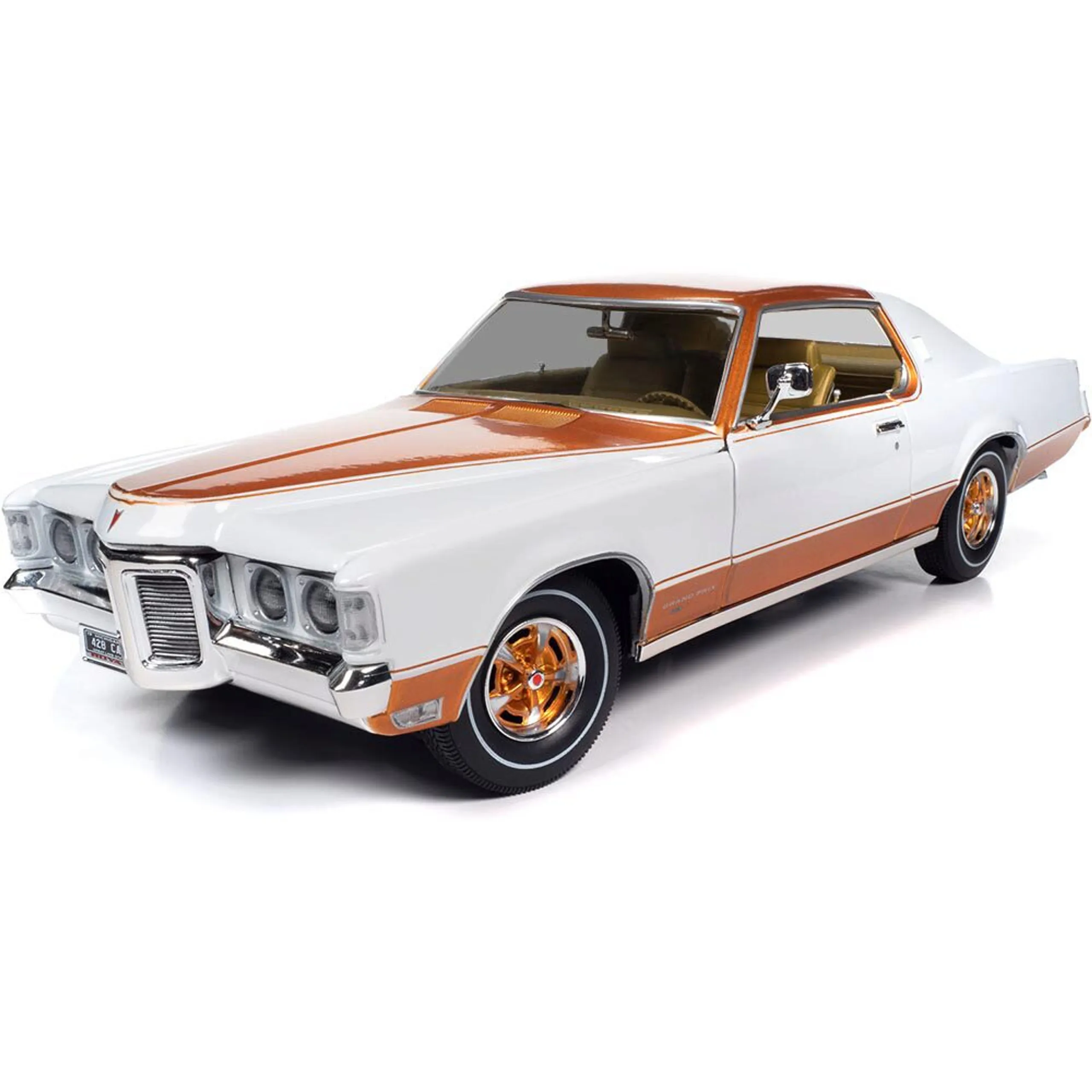
The Allure of 1968 Diecast Toy Cars
The year 1968 holds a special place in the hearts of diecast toy car collectors. It was a pivotal year, witnessing significant advancements in design, manufacturing, and the overall appeal of these miniature vehicles. The 1968 models represent a snapshot of the automotive landscape of that era, capturing the essence of the cars that cruised the streets and ignited the imaginations of both children and adults. Collecting 1968 diecast toy cars is more than just a hobby; it’s a journey through time, offering a glimpse into the cultural and technological shifts of the late 1960s.
Why 1968 Matters to Collectors
The allure of collecting diecast toy cars from 1968 stems from several key factors. First and foremost, these models represent a golden age of design, reflecting the bold and innovative styling of the era’s automobiles. The attention to detail, the use of vibrant colors, and the intricate craftsmanship of the diecast cars from 1968 make them highly sought after by collectors. Moreover, the year marks the introduction of several iconic brands and series that continue to shape the diecast toy car industry today, including the groundbreaking Hot Wheels. The nostalgia factor also plays a significant role. For many, these cars evoke fond memories of childhood, making them cherished possessions that connect collectors to their past.
Impact on Toy Car Industry

The year 1968 had a profound impact on the toy car industry. The introduction of new manufacturing techniques and materials, along with innovative marketing strategies, transformed the way these miniature vehicles were produced and sold. Brands like Matchbox and Corgi had already established themselves, but 1968 saw the rise of Hot Wheels, which revolutionized the industry with its speed-focused designs and vibrant colors. This era also witnessed the diversification of the diecast car market, with more brands and models emerging to cater to a wider range of collectors. The innovations of 1968 set the stage for the future of diecast toy cars, making it a cornerstone year for the hobby.
Top 7 Diecast Toy Cars from 1968
Selecting just seven of the best diecast toy cars from 1968 is a challenging task, given the vast array of models available. However, this list aims to highlight some of the most iconic and collectible cars from that year. These models are celebrated for their design, historical significance, and enduring appeal among collectors. From classic British models to innovative American designs, this selection offers a glimpse into the diverse world of diecast toy cars from 1968.
Matchbox Models of Yesteryear
Matchbox, with its Models of Yesteryear series, continued to impress collectors in 1968. These models were known for their accurate representations of classic vehicles, from vintage trucks to elegant sedans. Matchbox’s commitment to detail and quality made them a favorite among collectors seeking historically accurate miniature cars. These models captured the essence of a bygone era and offered a window into the automotive history. Matchbox helped pave the way for the diecast toy industry.
Early Matchbox Models Features

Early Matchbox models featured several distinctive characteristics that set them apart from other brands. These included the use of high-quality diecast metal, realistic paint finishes, and intricate detailing. Many models had opening doors, bonnets, or trunks, adding to their authenticity. Matchbox also incorporated realistic tires and wheels, further enhancing their appeal. The Models of Yesteryear series, in particular, was known for its historical accuracy, with each model meticulously replicating the design of its full-size counterpart. The quality of the materials and manufacturing processes ensured the durability and longevity of these toy cars, which continue to be treasured by collectors today.
Matchbox Models Values
The value of Matchbox models from 1968 varies depending on several factors, including the model’s rarity, condition, and original packaging. Certain models, such as those from the Models of Yesteryear series, can command high prices, especially if they are in pristine condition. Limited-edition or special-release models are particularly valuable. Collectors often assess the condition of a Matchbox car based on the absence of scratches, paint chips, and other signs of wear. The presence of the original box and packaging can significantly increase a model’s value. As a result, the collector’s market determines the value, making the acquisition of these toy cars a blend of passion and investment.
Hot Wheels First Edition
The introduction of Hot Wheels in 1968 was a game-changer for the diecast toy car industry. These cars were designed for speed and performance, featuring sleek designs, vibrant colors, and the iconic redline tires. Hot Wheels quickly captured the attention of children and collectors alike, establishing itself as a leading brand. The first edition models are particularly sought after, as they represent the origin of a brand that would go on to dominate the diecast car market. This bold move in the industry would forever change the path of toy car manufacturing and collecting.
Hot Wheels Original Design
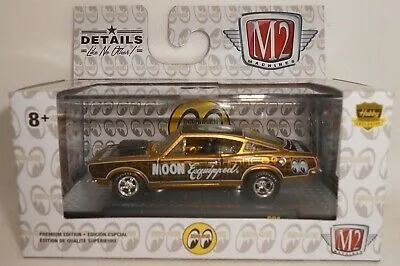
The original Hot Wheels designs were characterized by their futuristic aesthetics and emphasis on speed. The designers drew inspiration from custom car culture, creating models with bold lines, bright colors, and unique features. The cars were built with a focus on performance, featuring low profiles, wide wheels, and slick tires. These design elements, combined with the use of metal bodies and plastic chassis, gave the Hot Wheels cars a distinctive look and feel. The focus on speed and style set Hot Wheels apart from its competitors and helped it gain a massive following among car enthusiasts and toy collectors.
Hot Wheels Rarity and Value
The value of Hot Wheels from 1968 is influenced by rarity, condition, and the specific model. Certain models, especially those from the first edition series or those with unique variations, can be extremely valuable. The presence of the original packaging, particularly the original blister pack, significantly increases a car’s value. Collectors also consider the condition of the car, paying close attention to the paint, wheels, and overall wear and tear. Rare models, such as those with production errors or limited-edition paint jobs, are highly sought after by collectors. The Hot Wheels market continues to evolve, with prices fluctuating based on collector demand and the availability of particular models.
Corgi Toys 1968 Collection
Corgi Toys, known for its detailed and innovative models, continued to produce high-quality diecast cars in 1968. The collection featured a variety of vehicles, including cars, trucks, and commercial vehicles. Corgi’s attention to detail and its inclusion of features like opening doors and windows made its models popular among collectors. The 1968 collection reflected the automotive trends of the time, offering a range of models that appealed to both children and adults.
Corgi’s Iconic Models
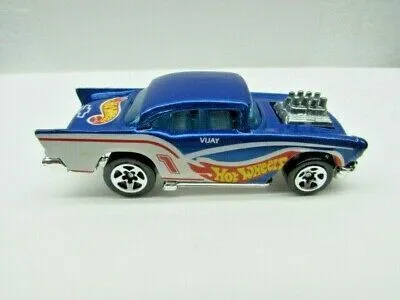
Corgi Toys produced several iconic models in 1968 that are still highly regarded by collectors. These models were known for their attention to detail, realistic paint finishes, and innovative features. Many Corgi cars included opening doors, bonnets, and detailed interiors, adding to their appeal. The company also produced models of famous movie and television cars, such as the James Bond Aston Martin, further enhancing their popularity. These iconic models represent the best of Corgi’s design and manufacturing capabilities, making them highly sought after by collectors.
Corgi Toy Cars and Their Value
The value of Corgi Toy cars from 1968 varies depending on several factors. The rarity of the model is a major determinant of value, with limited-edition or special-release cars commanding higher prices. The condition of the car, including the paint, detailing, and any signs of wear and tear, also plays a crucial role. Original packaging and boxes significantly increase a model’s value. The market for Corgi toys, like other collectibles, is driven by demand, with certain models and variations being more sought after by collectors than others. As such, the value of a Corgi car will be influenced by a complex interplay of design, rarity, and demand.
Dinky Toys 1968 Range
Dinky Toys was another prominent brand in the diecast toy car market of 1968. Known for their detailed and accurately scaled models, Dinky offered a wide range of vehicles, from cars and trucks to buses and emergency vehicles. Their focus on realism and high-quality craftsmanship made them a favorite among collectors. Dinky’s models captured the essence of the era’s automotive design, providing an excellent representation of the vehicles on the roads in 1968.
Dinky Toys Collector’s Guide
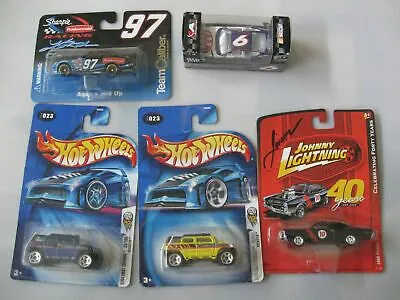
A collector’s guide to Dinky Toys from 1968 would highlight the key features and variations of the models produced that year. The guide would provide information on model numbers, paint finishes, and any unique details that distinguish each car. Collectors look for models in excellent condition, with original paint and minimal signs of wear. Information on original boxes and packaging is essential. The guide would also include pricing information, providing collectors with a reference point for determining the value of different Dinky models. Resources like online forums and collector clubs are invaluable for staying up-to-date on the Dinky market.
Dinky Toy Cars Value
The value of Dinky Toy cars from 1968 depends on factors such as rarity, condition, and the presence of original packaging. Limited-edition models or those with unique variations are particularly valuable. The condition of the paint, detailing, and overall wear and tear significantly impact a car’s worth. The presence of the original box and packaging can substantially increase a model’s value. Collectors evaluate the models’ overall appearance, paying particular attention to details like the condition of the wheels and any missing parts. As the market evolves, the value is subject to change.
Other Notable Diecast Toy Cars from 1968
Beyond Matchbox, Hot Wheels, Corgi, and Dinky, several other brands contributed to the vibrant diecast toy car market of 1968. These brands offered unique models that appeal to various collectors. Each brand brought its own distinct style and innovation to the world of diecast cars, making 1968 a memorable year for toy car enthusiasts.
Lesney Products
Lesney Products, the company behind Matchbox, was a dominant force in the diecast toy car industry in 1968. Their focus on detail and quality made their models appealing to collectors of all ages. In addition to the regular Matchbox series, Lesney produced other lines of diecast toys, including trucks, buses, and construction vehicles, expanding their market reach. Lesney’s contributions were instrumental in shaping the diecast toy car industry and solidifying 1968 as a significant year in the hobby.
Other Brands To Know
Several other brands contributed to the rich tapestry of diecast toy cars in 1968. Brands like Lone Star offered a range of affordable and accessible models, catering to a broader audience. These brands contributed to the overall variety and appeal of the diecast toy car market, providing collectors with an extensive selection of models to choose from. These other brands played a significant role in expanding the diecast toy car market, contributing to the hobby’s appeal and diversity.
Factors Affecting Value and Collectibility
Several factors influence the value and collectibility of diecast toy cars from 1968. Collectors consider the model’s rarity, condition, and original packaging. The model’s historical significance and its representation of the era’s automotive design also play a crucial role. Collectors look for models with minimal wear and tear, original paint, and complete details. Rarity, condition, and historical significance combine to determine the desirability of a particular model among collectors, thereby affecting its value.
Condition and Its Significance
The condition of a diecast toy car from 1968 is a primary factor in determining its value. Collectors seek models in excellent condition, with minimal signs of wear, scratches, or paint chips. The presence of original paint is highly desirable, as it indicates that the car has been well-preserved. The overall appearance of the model, including the wheels, tires, and detailing, contributes to its condition rating. Cars in near-mint condition are highly sought after, as they are a testament to the care and preservation efforts of previous owners. The condition also provides a window into the past, offering an authentic look into how the cars were manufactured and used during their era.
Original Packaging Importance
The original packaging of a diecast toy car from 1968 significantly increases its value and desirability. The original box or blister pack helps preserve the car and provides important information about the model, including its name, manufacturer, and sometimes even the price. Collectors often prioritize models that come with their original packaging, as they represent a more complete and authentic piece of history. The presence of the packaging also adds to the aesthetic appeal, making the car more attractive to collectors. The original packaging of a diecast toy car from 1968 increases its value.
Rarity and Limited Editions
Rarity and limited editions greatly influence the value and collectibility of diecast toy cars from 1968. Models produced in limited quantities or with unique variations are highly sought after by collectors. Special paint finishes, production errors, or models produced for specific events can significantly increase a car’s value. Collectors actively seek out these rare and limited-edition models, viewing them as valuable investments and prized possessions. Rarity and limited editions add an element of exclusivity and intrigue, making these models highly desirable for serious collectors.