What are Diecast Toys
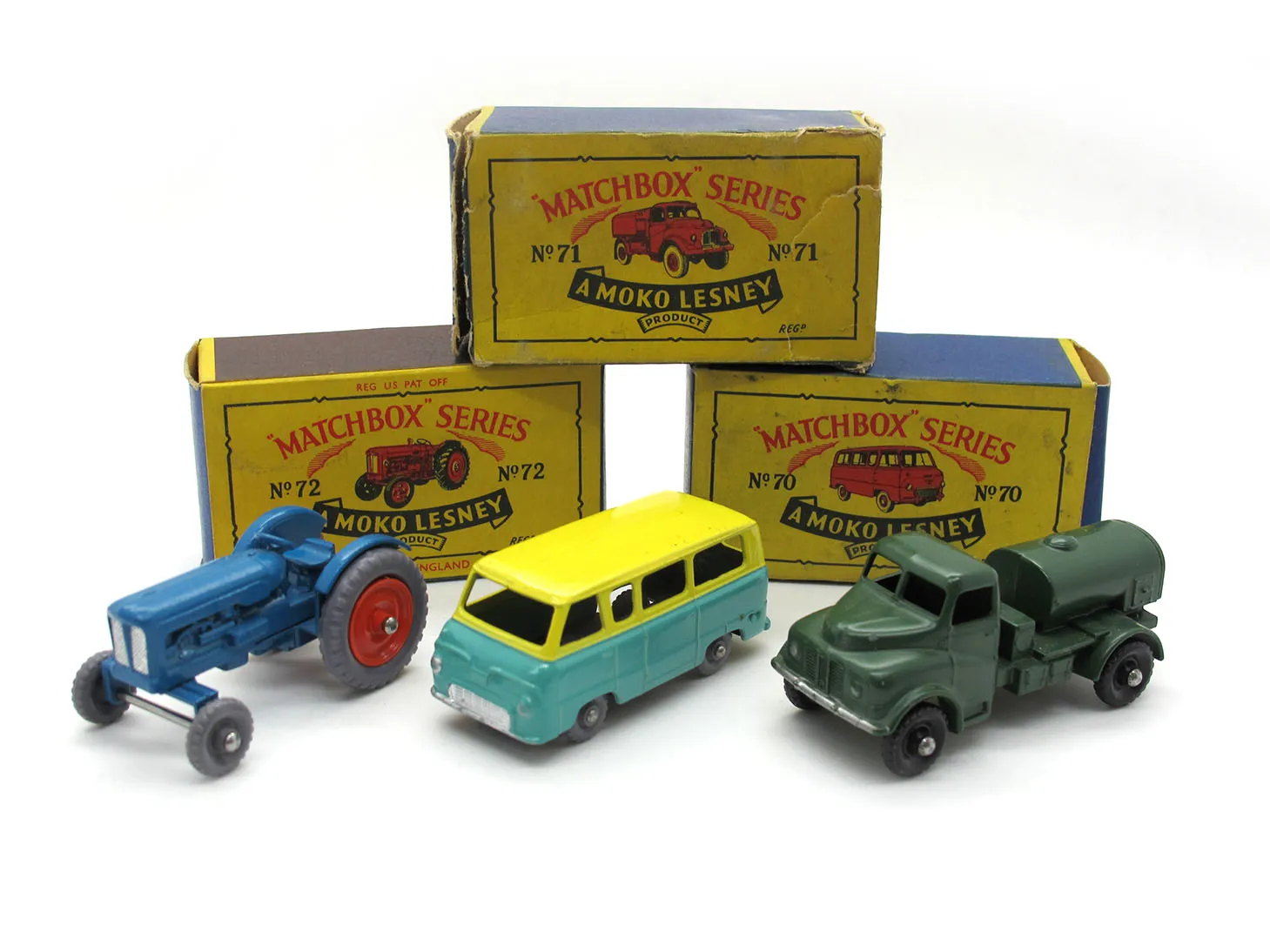
Diecast toys, with their intricate detail and enduring appeal, represent a captivating segment of the toy and collectibles market. But what exactly are they? At their core, diecast toys are miniature models of vehicles, figures, and other objects, crafted using a specific manufacturing process. This process involves injecting molten metal, typically zinc alloy, into a mold under high pressure. The result is a highly detailed and durable miniature, often finished with paint and other detailing to replicate the real-world counterpart. These toys have a rich history, and their enduring popularity stems from a combination of factors, including their aesthetic appeal, collectibility, and the nostalgia they evoke.
The History of Diecast Toys
The history of diecast toys stretches back to the early 20th century, with the first examples appearing in the early 1900s. Initially, these toys were a luxury item, but advancements in manufacturing gradually made them more accessible. Early diecast models were often simple and utilitarian, but as technology improved, so did the detail and realism. The mid-20th century saw a boom in the popularity of diecast toys, with iconic brands emerging and setting the standards. The post-war period marked a golden age for diecast toys, with manufacturers producing an unprecedented variety of models. Today, diecast toys continue to evolve, incorporating new materials, technologies, and designs, maintaining their appeal to collectors and enthusiasts worldwide.
Materials Used in Diecast Toys

The primary material used in diecast toys is a zinc alloy, often mixed with small amounts of other metals like aluminum or copper to enhance properties such as strength and durability. This alloy is ideal for diecasting due to its ability to be melted and injected into molds under high pressure. The molds themselves are typically made of steel. After the casting process, the models undergo various finishing stages. Paints, decals, and other detailing elements are added to give them their realistic appearance. Tires are usually made of rubber or plastic, while windows might be crafted from transparent plastic. Some high-end models incorporate additional materials such as photo-etched parts, adding to their exquisite detail.
Why Collect Diecast Toys
Collecting diecast toys offers a rewarding hobby with a multitude of benefits. For many collectors, it is a direct link to their childhood, providing a sense of nostalgia and fond memories. The thrill of the hunt, searching for rare models, and completing sets is another major draw. The intricate detail and craftsmanship of many diecast models are also highly appreciated. Furthermore, building a diecast toy collection can be a good investment. Certain models appreciate in value over time, particularly limited editions or vintage items. The social aspect of collecting is another compelling reason, with communities of collectors sharing their passion and knowledge, participating in events, and providing valuable support.
Educational Benefits of Diecast Toys
Diecast toys can also offer educational benefits. They can spark children’s interest in subjects such as history, engineering, and design. For example, collecting model cars can introduce children to different vehicle makes, historical periods, and technological advancements. It encourages children to develop organizational skills when cataloging and displaying their models. Diecast toys also promote skills such as patience and attention to detail. Displaying them can cultivate a sense of aesthetics, while the process of researching and understanding different models helps build research and analytical skills. Diecast toys are a valuable tool for learning.
Collecting Diecast Toys for Fun

The primary reason to collect diecast toys should always be fun. The enjoyment comes from several avenues. One of the biggest appeals is the personal connection, selecting the models that spark joy and interest. The diversity of available models ensures there’s something for everyone, from classic cars to modern vehicles and even fantasy designs. The social aspect also enhances the experience. Joining clubs, attending conventions, and interacting with other collectors can enrich the hobby. The continuous learning about the history and characteristics of the vehicles can also be fun and educational, providing a deeper appreciation for the objects. Ultimately, the joy of collecting diecast toys lies in the personal satisfaction of building a collection that reflects your interests and passions.
How to Start Your Diecast Toy Collection
Embarking on a diecast toy collection journey is an exciting venture. The initial step involves defining your focus. Consider what types of models spark your interest. Do you have a passion for classic cars, modern sports cars, military vehicles, or something else? This initial narrowing helps you make informed decisions and avoid the overwhelming sense of too much choice. Once you’ve defined your niche, start researching the brands and scales that appeal to you. Common scales include 1:18, 1:24, and 1:43, each offering different levels of detail and size. Also, identify reliable sources for acquiring models. This might include online marketplaces, specialty shops, and collector conventions. Beginning with a clear plan will keep the collecting journey fun and easy.
Determine Your Collecting Focus
Establishing a focus is essential for beginning a diecast toy collection. This involves deciding what types of models will be the core of your collection. Some collectors specialize in particular brands, such as Hot Wheels, Matchbox, or more upscale brands like Minichamps or Autoart. Others choose to focus on specific vehicle types, like sports cars, trucks, or military vehicles. A historical approach, concentrating on models from a particular era, is another popular choice. You might focus on specific scales, such as 1:18 or 1:43, which will impact your budget. The goal is to select a focus that resonates with your interests, ensuring your collection remains enjoyable and manageable.
Research Brands and Scales

Once you have your collecting focus, research various brands and scales. Different brands offer varying levels of detail, quality, and price points. Some are known for their accuracy, while others focus on playability. Scales are crucial for determining the size of the models, with popular ones being 1:18, 1:24, 1:43, and 1:64. Each scale has its advantages; 1:18 models are large and highly detailed, while 1:64 models are compact and affordable. Researching each brand’s reputation, its strengths, and the typical scales it uses helps you make informed choices. Compare the features of different models within your chosen scale and consider factors such as the level of detail, the materials used, and the overall finish.
Find Reliable Sources
Finding reliable sources is vital for a successful diecast toy collection. Established online marketplaces are excellent resources, offering a vast selection of models from various brands. Check seller ratings, read reviews, and ensure the marketplace provides buyer protection. Specialty shops, whether brick-and-mortar stores or online retailers, are another reliable option. These shops specialize in diecast models and usually have knowledgeable staff that can assist you. Collector conventions are another excellent way to find rare and unique models. These events provide opportunities to meet fellow collectors, view impressive collections, and purchase items directly from sellers. Always verify the authenticity of any model before purchasing.
Proper Storage and Display of Diecast Toys
Proper storage and display are essential to preserve the value and condition of your diecast toy collection. Direct sunlight, extreme temperatures, and humidity can damage models, leading to fading, warping, or rust. Ideally, models should be stored in a cool, dry place, away from direct sunlight. Display cases, shelves, and cabinets offer excellent options for showcasing your collection while protecting it from dust and damage. Consider using museum-quality display cases that offer UV protection and minimize dust accumulation. Regular dusting is crucial to keep your models looking their best. Proper storage and display not only preserves your collection’s value but also adds to its visual appeal, allowing you to fully enjoy your models.
Protecting Your Collection

Protecting your diecast toy collection requires vigilance and proactive measures. Avoid direct sunlight, as ultraviolet rays can fade the paint and damage the decals. Store models in a cool, dry environment to prevent warping, rust, and the growth of mold. Consider investing in UV-protective display cases to minimize sun exposure. Be cautious when handling models to avoid scratches or breakage. Regularly clean your models, using a soft cloth or brush to remove dust and debris. Proper packaging is crucial when transporting models. Always use the original packaging or appropriate packing materials to prevent damage during shipping or moving. By taking these precautions, you ensure the longevity and value of your collection.
Displaying Your Collection Effectively
Effective display enhances the aesthetic appeal of your diecast toy collection, allowing you to showcase your models and appreciate them fully. Display cases, shelves, and cabinets are common display choices, providing protection from dust and damage. Arrange your models thoughtfully, grouping them by type, brand, scale, or era to create a visually appealing arrangement. Using lighting can highlight your collection, illuminating the details and enhancing their presentation. Consider adding backdrops or themed displays to add context and visual interest. Regularly rotate your display to keep things fresh. A well-planned display not only showcases your collection but also makes it a focal point, enhancing the joy of collecting.
Maintaining the Value of Your Diecast Toys
Maintaining the value of your diecast toy collection involves a few key practices. Regular cleaning and preservation are essential to prevent damage and maintain the model’s condition. Accurate record-keeping helps document your collection, including purchase dates, prices, and any modifications or repairs. By tracking the market and staying informed on trends, you can make informed decisions about buying, selling, and preserving your models. Always handle your models carefully and store them in a safe environment to prevent damage. Consider having your models professionally appraised to determine their current market value. Following these tips will help to preserve and potentially increase the value of your diecast toy collection.
Cleaning and Preserving Your Models

Regular cleaning and preservation are essential for maintaining the condition and value of your diecast toy models. Dust your models regularly using a soft brush or cloth. Avoid using harsh chemicals or abrasive cleaners, as these can damage the paint and decals. If necessary, use mild soap and water, carefully drying the model afterward. Inspect your models for any signs of damage, such as paint chips or scratches, and address these issues promptly. Consider using a specialized wax or protectant to further protect the paint and finish. Store models in a cool, dry place, away from direct sunlight and extreme temperatures. Proper cleaning and preservation practices ensure your collection remains in excellent condition for years to come.
Staying Updated on the Market
Staying updated on the diecast toy market is essential for informed collecting. Follow industry news, blogs, and forums to stay abreast of new releases, trends, and market values. Join collector clubs and attend conventions to connect with fellow enthusiasts and gain insights into the market. Use online resources like auction sites and price guides to track the value of specific models. Understanding market trends helps you make informed decisions about buying, selling, and trading models. Research historical sales data to estimate the potential value of your collection. Staying informed helps you make better decisions, increasing your enjoyment of your hobby.
Where to Find Diecast Toys
Finding diecast toys involves exploring various sources, each with unique advantages. Online marketplaces such as eBay, Amazon, and specialist diecast stores offer extensive selections. Brick-and-mortar hobby shops often carry a curated selection of models, providing personalized advice. Collector conventions provide opportunities to discover rare and unique items. Local toy stores, especially those specializing in collectibles, are excellent resources, offering a hands-on shopping experience. Garage sales, estate sales, and flea markets can yield unexpected finds. Participating in online forums and social media groups also helps you connect with other collectors and stay informed about sales. Combining these methods gives access to a wider selection and helps you find the models you seek.
Online Marketplaces

Online marketplaces offer a vast selection of diecast toys, providing unparalleled access to models from various brands, scales, and eras. Platforms like eBay and Amazon host thousands of listings from both private sellers and retailers. These marketplaces offer convenience, allowing you to browse and purchase models from the comfort of your home. They also facilitate price comparisons, allowing you to find the best deals. However, it is important to research sellers, read reviews, and ensure the platform provides buyer protection. Carefully examine product descriptions and photos to assess the condition of the model before purchasing. Online marketplaces are a convenient way to expand your collection, with a vast selection available at all times.
Specialty Shops and Conventions
Specialty shops and collector conventions offer unique experiences for diecast toy enthusiasts. Specialty shops often curate their collections, featuring rare and hard-to-find models. The staff are knowledgeable, offering personalized advice and assistance. Collector conventions bring together collectors and dealers, offering direct access to a wide selection of models. These events allow you to view impressive collections, participate in auctions, and connect with fellow enthusiasts. Specialty shops also offer an opportunity to examine models up close. Attending conventions also provides a community atmosphere, with shared passions and knowledge. They are vital for anyone seeking to enhance their diecast toy collecting experience.