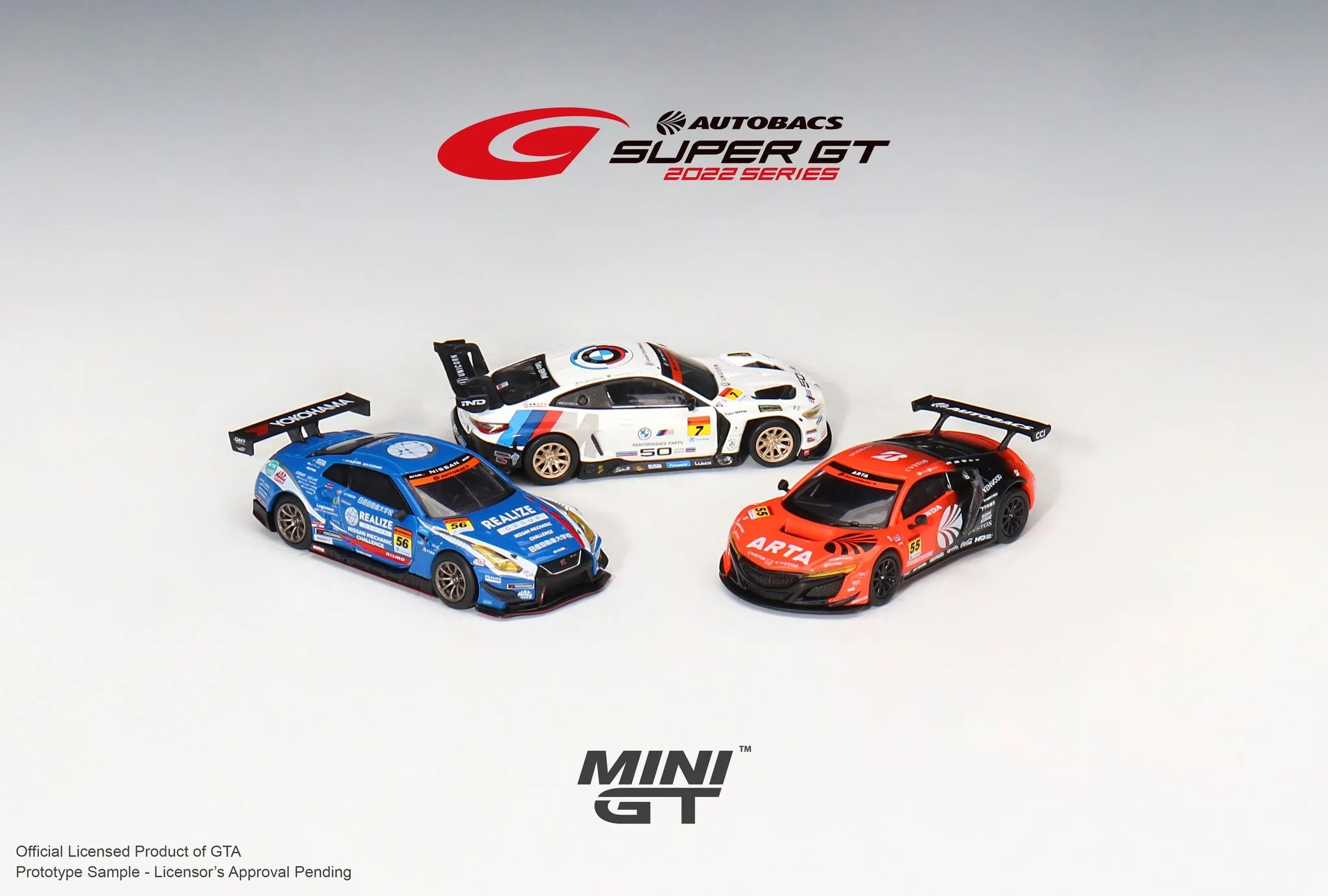
The Allure of GT Diecast Cars
GT diecast cars have captivated enthusiasts for decades, offering a tangible connection to automotive history, engineering marvels, and the thrill of the open road. These meticulously crafted miniature replicas provide a unique blend of art, nostalgia, and investment potential. For many, the appeal lies in the intricate detail and the ability to hold a piece of automotive history in their hands. GT diecast cars represent a diverse range of vehicles, from classic vintage models to the latest supercars, attracting a broad spectrum of collectors. The hobby fosters a sense of community, with collectors sharing their passion, knowledge, and the joy of discovering rare and valuable models. Whether driven by a love for automobiles, a desire to build a valuable collection, or simply the appreciation of fine craftsmanship, the allure of GT diecast cars is undeniable. The market offers a variety of models to fit any budget, making it an accessible hobby for both casual enthusiasts and serious collectors, providing endless opportunities to explore the world of automotive design and engineering in miniature form.
The History of GT Diecast
The history of GT diecast cars is a journey through the evolution of manufacturing techniques and the enduring passion for automobiles. The earliest diecast models emerged in the early 20th century, initially as toys made from lead or tin. The development of zinc alloys in the 1930s marked a significant advancement, allowing for more intricate designs and greater durability. Following World War II, diecast manufacturing techniques improved rapidly, driven by technological advancements and increased consumer demand. Companies like Dinky Toys and Corgi Toys pioneered the production of detailed and accurate model cars, establishing the foundations of the diecast industry. The 1960s and 70s witnessed a surge in popularity, with manufacturers producing models of iconic vehicles that reflected the changing automotive landscape. Today, GT diecast cars are a global industry, with a wide array of manufacturers catering to collectors of all ages. From classic models to modern supercars, the history of diecast cars mirrors the evolution of the automobile itself, capturing the essence of automotive design and engineering through meticulously crafted miniature replicas. This rich history continues to inspire collectors and enthusiasts worldwide.
Key Manufacturers of GT Diecast

The world of GT diecast cars is populated by a diverse range of manufacturers, each with its unique approach to craftsmanship and design. Some of the most prominent names include: Autoart, known for its high-quality models, attention to detail, and accurate representations of real-world vehicles; Minichamps, a German manufacturer renowned for its extensive range of models, often focusing on racing cars and Formula 1; Bburago, a popular brand offering a wide variety of affordable models, often aimed at a younger audience; Hot Wheels, a well-known name in the toy car world, producing a vast array of models, including collector-focused lines; Maisto, another mass-market brand offering a broad selection of diecast cars at various scales; and CMC Models, celebrated for its premium models, exceptional detail, and limited production runs. Each manufacturer brings its distinct aesthetic and manufacturing expertise to the market. Collectors often develop preferences based on quality, scale, and the specific models offered by each company. These manufacturers collectively shape the landscape of the GT diecast world, offering an extensive selection to suit every taste and budget, contributing to the enduring appeal of this captivating hobby.
The Significance of Scale in GT Diecast
Scale is a critical aspect of GT diecast cars, influencing everything from their size and detail to their perceived value. The scale refers to the ratio between the model’s dimensions and the actual vehicle’s dimensions. Common scales such as 1:18, 1:24, and 1:43 dictate how much detail can be incorporated, the size of the model, and the overall collecting experience. Larger scales, such as 1:18, typically allow for greater detailing, including functional doors, hoods, and even interior features. Smaller scales, like 1:64, are often more affordable and take up less display space, making them popular for various collectors. The scale is essential not only for accurately representing the original vehicle but also for the aesthetic appeal of the model. Different scales suit different collecting preferences, and some collectors specialize in a specific scale to maintain consistency within their collection. The choice of scale also influences the availability of models; some vehicles are only manufactured in certain scales. Understanding the significance of scale is crucial for any GT diecast car collector, as it impacts the purchasing decisions and the overall collecting experience.
Common Scales for GT Diecast Models
Several scales dominate the GT diecast car market, each offering a unique balance of detail, size, and affordability. 1:18 scale is a popular choice, known for its impressive level of detail, functional features, and substantial presence. These models often include opening doors, hoods, and trunks, with detailed engine bays and interiors. 1:24 scale is another favorite, providing a good balance of detail and affordability. Models in this scale are typically smaller than 1:18, making them easier to display and store, while still offering a high degree of detail. 1:43 scale is a mainstay of diecast collecting, offering a wide variety of models, especially from racing and vintage car manufacturers. Its compact size makes it ideal for those with limited display space. 1:64 scale, also known as the ‘matchbox’ size, is a very common scale for toy cars. This scale is especially popular for its affordability and the vast range of available models. There are also rarer scales, such as 1:12 or 1:8, which offer an exceptionally high level of detail and are often aimed at serious collectors. The choice of scale often depends on personal preference, budget, and the type of collection the individual intends to build, with many collectors opting for a mix of scales to capture a wider variety of models and designs.
Factors Influencing the Value of GT Diecast

The value of GT diecast cars can be influenced by several factors, ranging from their rarity and condition to their historical significance. Limited edition models, those produced in small quantities, often command higher prices due to their scarcity. The level of detail and accuracy in a model also influences its value, with models featuring intricate interiors, authentic paint finishes, and functional parts, generally being more valuable. Demand is a primary factor; popular vehicles, such as classic sports cars or iconic movie cars, are more likely to appreciate in value. The condition of the model is paramount; mint-condition models with their original packaging are typically the most valuable. The manufacturer and the reputation of the brand also play a role. High-end brands such as Autoart or CMC often produce premium models that fetch higher prices. The availability of spare parts, the model’s historical context, and the number of units produced significantly impact a GT diecast car’s desirability and worth. Understanding these factors helps collectors assess the investment potential of their GT diecast cars and make informed purchasing decisions, ensuring they build a collection that is both valuable and personally satisfying.
Rarity and Limited Editions
Rarity and limited editions are major drivers of value in the GT diecast car world. Limited edition models, produced in a specific, pre-determined quantity, are sought after by collectors due to their exclusivity. These models often feature unique paint schemes, special detailing, or different variations from their standard counterparts, increasing their desirability. Certain models that are rare due to production issues, limited distribution, or a short manufacturing run, are also highly sought after. The smaller the production run, the more valuable the model becomes over time, particularly if it is a highly desirable vehicle. Collector’s often seek to own limited edition models as centerpieces of their collections, due to their investment potential and the prestige associated with owning a rare piece of automotive history. When evaluating a GT diecast car, collectors should consider the edition size, the original price, and the current market demand. Rarity and limited editions are essential factors in determining the long-term value and appeal of GT diecast cars, making them a key focus for collectors who are looking for investment opportunities and exclusive collectibles.
Condition and Preservation
The condition and preservation of a GT diecast car are critical for maintaining its value and appeal. Models in mint condition, with no scratches, blemishes, or missing parts, are the most desirable. Original packaging is very important. The presence of the original box, especially if it is in good condition, can significantly increase a model’s value. Collectors must carefully inspect the model for imperfections, such as paint chips, scratches, or any signs of wear and tear. Proper storage is essential for protecting GT diecast cars. Models should be kept in a clean, dry environment, away from direct sunlight and extreme temperatures, to prevent damage. Displaying models in a dust-free environment, such as a glass case, helps to protect them from the elements. Collectors often use protective cases or sleeves to shield models from dust and handling. Regular cleaning with soft cloths and appropriate cleaning agents helps to preserve the model’s finish and detailing. By prioritizing condition and preservation, collectors ensure that their GT diecast cars remain in excellent condition, preserving their investment and allowing them to appreciate in value over time.
Essential Materials Used in GT Diecast

The materials used in GT diecast cars play a vital role in their quality, durability, and aesthetic appeal. The most common material is diecast metal, typically a zinc alloy, because of its ability to capture fine details, its strength, and its ease of molding. The diecast metal is used to create the body, chassis, and major components of the model, allowing for intricate designs and realistic features. Other materials also contribute to the overall quality. High-quality plastic is used for the interior detailing, such as dashboards, seats, and door panels. Rubber is utilized for the tires, providing a realistic appearance and texture. Clear plastic is used for the windows and headlights. Paint and decals are crucial for achieving the correct color and providing the car’s authentic look. The selection of materials has a big effect on the overall feel of the model. The use of premium materials, such as finely detailed plastics or real fabric for seatbelts, can significantly increase the model’s value and appeal. The combination of different materials enables manufacturers to create detailed and realistic models, capturing the essence of the real vehicles they represent.
Metal Alloys and Their Impact
The metal alloys used in GT diecast cars are crucial for their quality, durability, and overall appearance. Zinc alloys, often referred to as zamak, are the most common material, due to their good casting properties and ability to capture fine details. This material allows manufacturers to produce complex designs and reproduce intricate features like grilles and vents. The addition of other metals, such as aluminum and magnesium, can improve the alloy’s strength and resistance to corrosion, adding to the lifespan of the model. The quality of the metal alloy directly impacts the model’s weight, the texture of its surface, and its ability to hold paint and decals. High-quality alloys are more durable, less prone to imperfections, and can better withstand the stresses of handling and display. The choice of metal alloy also influences the feel of the model. Heavier models often feel more substantial and premium, while the surface finish determines how well the paint adheres and how realistic the final appearance is. The metal alloy used is one of the most important factors in defining the quality and value of a GT diecast car, determining its longevity and visual appeal for years to come.
The Detailing Process in GT Diecast
The detailing process is what brings a GT diecast car to life, transforming a basic metal casting into a miniature replica of a real vehicle. This process involves multiple stages, including the application of paint, decals, and the addition of interior and exterior detailing. The paint finish is carefully applied to create a realistic and authentic look, with multiple coats and clear coats often used to achieve a glossy, durable finish. Decals, including logos, badges, and trim details, are carefully applied to enhance the model’s authenticity. Interior detailing is one of the most challenging aspects. This includes the dashboard, seats, steering wheel, and other interior elements. Exterior detailing includes the addition of lights, mirrors, door handles, and other features. The quality of the detailing process greatly influences the overall appeal of the model. Attention to detail in the paint finish, decal placement, and the inclusion of intricate interior and exterior features can dramatically improve the model’s realism. The accuracy of the detailing process directly affects the value of a GT diecast car, with more detailed and accurately represented models commanding a premium from collectors who are looking for an accurate and appealing representation of the original vehicle.
Paint Finishes and Decals

Paint finishes and decals play a crucial role in the overall appearance and realism of a GT diecast car. The paint finish, ranging from glossy to matte, provides the base color and contributes to the model’s visual appeal. High-quality paint finishes are often applied in multiple coats, with clear coats added for protection and shine. The paint must adhere to the metal surface, without imperfections like bubbles or runs. Decals are used to add details like logos, badges, stripes, and other markings. The application of decals requires precision and skill. They must be aligned correctly and adhere smoothly to the surface. The durability and quality of the decals are essential for the long-term preservation of the model. Different paint finishes and decal styles can dramatically change the look of a model. Metallic paints, pearl finishes, and custom paint jobs can add to the model’s appeal. In contrast, the incorrect placement of decals or the use of low-quality paint can detract from the model’s overall quality. The combination of the paint finish and decals is essential for accurately reproducing the original vehicle’s appearance, making it a critical factor in determining the model’s value and collecting desirability.
Interior and Exterior Detailing
Interior and exterior detailing is what separates a good GT diecast car from a great one. Interior details include the dashboard, seats, steering wheel, gear shift, and other elements. Quality models have accurately rendered interiors with realistic textures and colors. High-end manufacturers often include features like fabric seatbelts and detailed instrument panels. Exterior details, such as lights, mirrors, door handles, and window trim, are also vital for capturing the vehicle’s appearance. The level of detail is often dependent on the model’s scale. Larger scales, such as 1:18, generally allow for more intricate details, including functional features such as opening doors and hoods. The accuracy of the detailing greatly influences the model’s realism and the overall collecting experience. The use of advanced manufacturing techniques and skilled craftsmanship ensures that every element is captured. The presence of detailed interiors and exteriors transforms a GT diecast car from a toy into a finely crafted collectible. The attention to detail is a key factor in determining the value and the appeal of the model to serious collectors and enthusiasts.
Collecting and Displaying GT Diecast
Collecting and displaying GT diecast cars is a rewarding hobby that offers a chance to explore the world of automotive history and design. Collectors often begin by choosing a specific theme, such as a particular brand, model, or era. Building a collection can take many forms. Many collectors specialize in a specific scale, ensuring consistency in their display and making it easier to organize the collection. Displaying models is an art form. Display cases, shelves, and other display options are commonly used to showcase a collection. The arrangement of the models can be carefully planned to create a visually appealing display, perhaps arranging them by brand, model year, or color. The hobby extends beyond the acquisition. Display techniques are frequently used to enhance the presentation and protect the models. The goal is to create a personalized and engaging display that reflects the collector’s passion and interests. The process of building and displaying a collection is just as rewarding as the collecting itself. The ability to share the passion with others is part of the fun, fostering a sense of community and appreciation for automotive history.
Optimal Display Techniques

Optimal display techniques are crucial for showcasing your GT diecast cars while protecting them from the elements. Display cases, shelves, and custom-built display units are common choices, providing a secure and visually appealing way to showcase your collection. Lighting is an important element. Using LED lights to illuminate your models can highlight details and create a more attractive display. Position models away from direct sunlight to prevent fading. The arrangement of the models should be carefully considered to create visual appeal. Grouping models by brand, model year, or color can create an organized and aesthetically pleasing display. Utilizing risers or tiered shelves can add depth and prevent overcrowding. Protecting models from dust and damage is essential. Display cases with glass or acrylic covers provide an extra layer of protection. Regularly cleaning the display area is also vital for maintaining the condition of the models. By employing these techniques, collectors can create a display that enhances the beauty of their collection, while protecting their investment for years to come.
Joining GT Diecast Collector Communities
Joining GT diecast car collector communities is a fantastic way to connect with other enthusiasts, share your passion, and expand your knowledge. Online forums, social media groups, and local car clubs are the places to connect with other collectors. These communities provide an opportunity to discuss your favorite models, exchange information, and even buy and sell models. Participating in online forums and social media groups offers a means to engage in discussions, ask questions, and learn from others. Local car clubs often organize meetups, shows, and events, providing an excellent opportunity to see models in person, meet fellow enthusiasts, and share your collection. Collector communities offer a lot of benefits. You can get updates on the latest releases, discover rare models, and receive advice on collecting, display, and preservation. By joining these communities, collectors can foster a sense of belonging. The chance to share your passion, learn from experienced collectors, and stay connected with the rapidly evolving world of GT diecast cars makes this hobby fulfilling and fun.
Where to Buy GT Diecast Cars
Finding the right place to buy GT diecast cars is crucial for building a successful and enjoyable collection. A variety of options are available, ranging from established retailers to online marketplaces and specialist dealers. Each option offers unique benefits and considerations. Some of the most popular places include: hobby shops and toy stores, offering a curated selection of models and often a knowledgeable staff; online marketplaces such as eBay and Amazon, providing a vast selection of models and the chance to find rare items; specialty diecast retailers, offering a wider range of models, often with a focus on specific brands or scales; and car shows and swap meets, providing an opportunity to find rare models and meet fellow collectors. Choosing the right place to buy depends on your needs. Researching sellers, comparing prices, and reading reviews are essential to make informed decisions. By exploring different options, collectors can build their collections while enjoying the process. Understanding the nuances of each venue is important for making smart purchases and building a fulfilling collection of GT diecast cars.
Online Marketplaces

Online marketplaces like eBay and Amazon are popular destinations for buying GT diecast cars, offering a vast selection of models from various sellers around the world. These platforms provide the convenience of browsing and buying from the comfort of your home, with a large inventory available. Online marketplaces offer competitive pricing, allowing collectors to compare prices from different sellers and find deals. Many marketplaces have a wide selection of models, including rare and hard-to-find items. Buyers can filter their searches by scale, brand, condition, and other criteria. Thorough research is essential. Check seller ratings and reviews to ensure you are buying from a reputable source. Read descriptions carefully, and look for photos. Understanding the marketplaces’ return policies and buyer protection programs can help buyers navigate these platforms more safely. Online marketplaces offer convenience, selection, and the opportunity to find rare models, making them a great resource for collectors, but require the buyer to exercise caution and do their research.
Specialty Shops and Auctions
Specialty shops and auctions are excellent sources for buying GT diecast cars, offering unique advantages for serious collectors. Specialty shops often provide a curated selection of high-quality models. The staff can offer expert advice and often have in-depth knowledge about the models on offer. Auctions, both online and in-person, can be another great place to find rare or limited-edition models. These auctions provide the potential to acquire models at competitive prices, especially if they are looking for a rare or valuable model. Doing your research on the model’s value before bidding can help collectors make smart purchases. Examining the model’s condition is vital. Specialty shops and auctions often provide detailed descriptions and photos. Buyers must carefully examine photos, and if possible, inspect the model in person. These venues offer an elevated collecting experience. Specialty shops provide expert advice and carefully selected models, while auctions provide the chance to find rare, valuable pieces. The careful collector will enjoy the unique opportunities that these resources offer.
Caring for Your GT Diecast Collection
Caring for your GT diecast car collection is essential for preserving its value and ensuring your models remain in excellent condition for years to come. Proper cleaning, safe storage, and careful handling are vital to maintaining the quality of your investment. Regular cleaning is important. Use a soft, dry cloth to dust the models. Avoid using harsh chemicals or abrasive cleaners, which can damage the paint and decals. Store your models in a cool, dry place, away from direct sunlight. High temperatures and humidity can damage the paint and other materials. Handle the models with care. Avoid touching the painted surfaces or forcing any moving parts. Display your models in a dust-free environment. Display cases provide a protective barrier from dust and other hazards. Regularly check your models for any signs of damage, such as paint chips or loose parts, and take steps to address them. By following these simple steps, you can help ensure that your GT diecast car collection remains in excellent condition, preserving its value and allowing you to enjoy it for years to come. The care you provide will ensure that your collection remains a source of joy for years to come.
Cleaning and Maintenance Tips

Cleaning and maintaining your GT diecast car collection is essential for preserving its value and appearance. Always use a soft, dry cloth to dust the models regularly. This helps to remove dust and debris, which can accumulate over time. Avoid using water or cleaning solutions on the models, as they can damage the paint and decals. In cases of more stubborn dirt, a slightly damp cloth can be used. Allow the model to dry completely before putting it back into its display. Check the models for any signs of wear and tear, such as loose parts or scratches. If any issues are found, address them promptly. For more detailed cleaning, you can use a cotton swab dipped in isopropyl alcohol to gently clean small details. Avoid using excessive pressure when cleaning, as this could damage the paint or delicate parts. Properly maintaining your GT diecast cars will help to preserve their beauty and increase their longevity. Proper cleaning ensures that your collection continues to be a source of pride and enjoyment.
Protecting Your Investment
Protecting your investment in GT diecast cars involves a combination of careful handling, storage, and environmental control. Always handle models with clean hands to avoid transferring oils or dirt to the surfaces. Store your models in a cool, dry environment, away from direct sunlight and extreme temperatures. Direct sunlight can cause fading, while high temperatures and humidity can damage the paint and materials. Display cases or display shelves are ideal for protecting your models from dust and accidental damage. Consider using protective cases for individual models, especially for valuable or rare items. Regularly inspect your models for any signs of wear, damage, or degradation. Take steps to address any issues promptly. Proper documentation can also protect your investment. Keep records of your purchases, including receipts, certificates of authenticity, and any relevant information about the model. Protect your collection by insuring it, especially if you have a large or valuable collection. By taking these steps, you can help to protect your investment, and ensure that your GT diecast cars remain in excellent condition for years to come, allowing you to enjoy them for a lifetime.