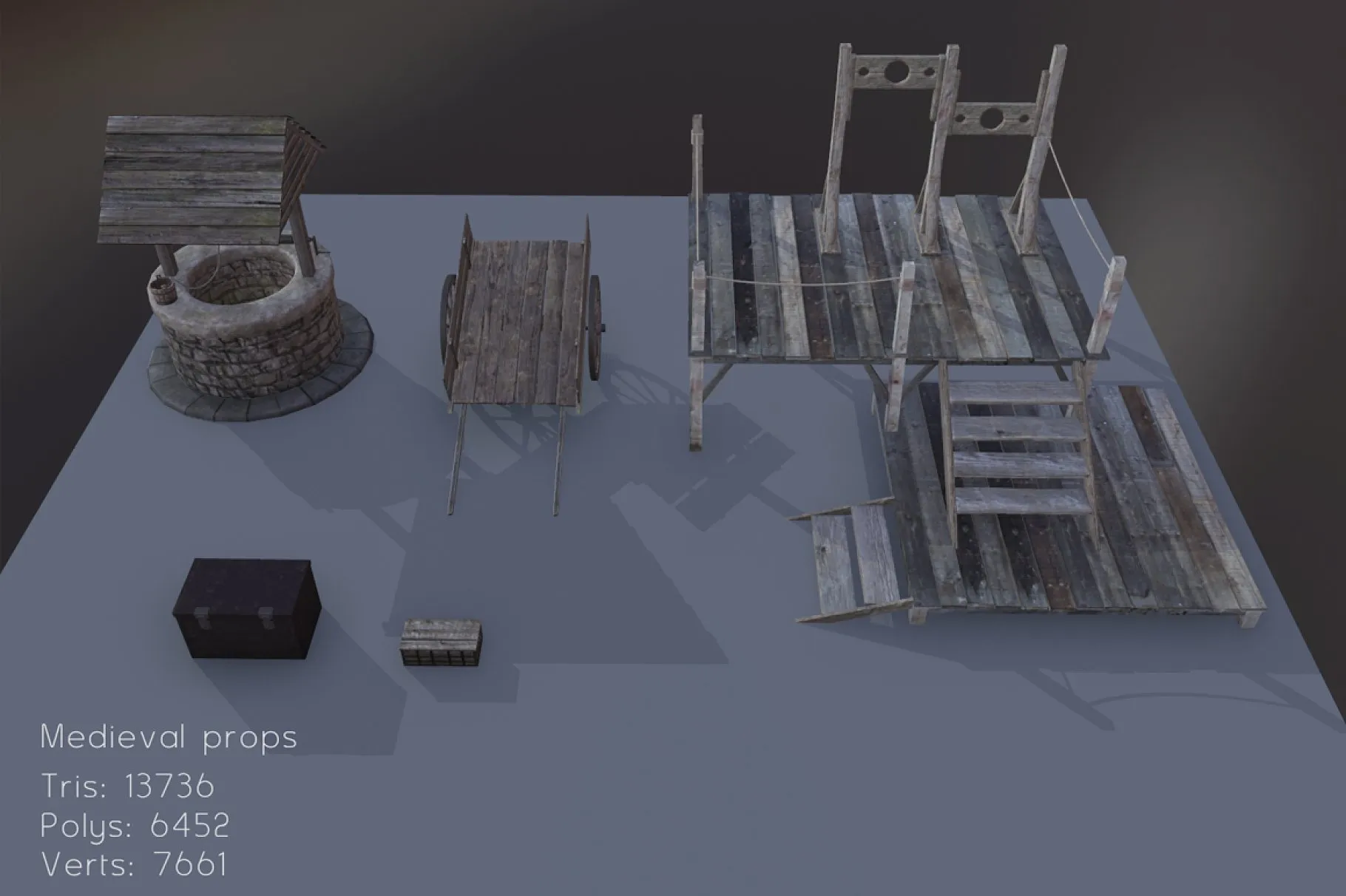
What are Diecast Medieval Models
Diecast medieval models are miniature replicas of objects, figures, and scenes from the medieval period, constructed using the die-casting process. This method involves injecting molten metal, typically a zinc alloy, into molds to create highly detailed and accurate representations. These models capture the essence of the medieval era, encompassing knights, castles, weaponry, and daily life, making them a popular collectible for history enthusiasts and model collectors alike. They are admired for their intricate designs, historical accuracy, and the craftsmanship involved in their creation. Diecast models offer a tangible way to connect with the past and appreciate the artistry of miniature representations of history, providing an engaging hobby for all.
Materials Used in Diecast Medieval Models
The materials used in diecast medieval models significantly impact their durability, appearance, and value. The primary material is metal, usually a zinc alloy because of its ability to capture fine details and withstand wear. Plastic components are also included for detailing and other elements.
Metal Alloys
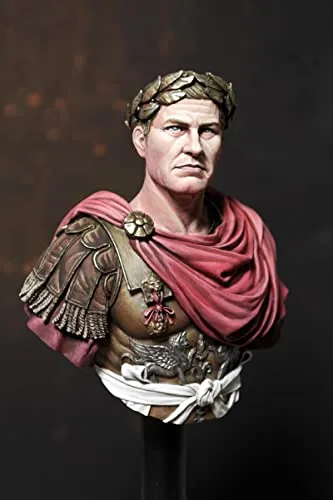
The metal alloy, most commonly a zinc alloy, forms the core of the model. This material is preferred for its ability to be cast with intricate detail, enabling the creation of realistic features and structures. Zinc alloys are also quite durable, ensuring that the models can withstand handling and display over time. The weight of the metal provides a quality feel, adding to the collectibility and appeal of these miniatures, and it is resistant to rust and corrosion. The alloy composition often includes small amounts of other metals like aluminum and copper, which improve the alloy’s strength and casting properties.
Plastic Components
Plastic is employed for parts that require flexibility, like the accessories, and for elements that are less prone to wear and tear. Plastics are ideal for creating complex geometries and adding details that are difficult to achieve with metal alone. Often used for things like flags, horse’s tails, or intricate detailing on shields and armor. The use of plastic also helps reduce the overall cost of production and allows for greater design flexibility, enabling manufacturers to produce a diverse range of models at various price points. The combination of metal and plastic allows for a balanced approach to model design, marrying durability with intricate detail.
Scale and Accuracy in Diecast Medieval Models
Scale and accuracy are critical aspects that define the quality and appeal of diecast medieval models. The scale determines the model’s size relative to the original object or figure, and accuracy refers to how closely the model replicates the original in terms of details, proportions, and historical correctness. These factors are essential for collectors who seek authentic representations of the medieval era, contributing to the model’s value and collectibility. Accurately scaled models provide a consistent visual reference, making them ideal for display and comparison. The attention to detail further elevates the model’s value, creating a piece that offers an engaging and educational experience for its owner.
Common Scales

Common scales are standardized ratios that help maintain consistency across different models and manufacturers. 1:32, 1:35, and 1:72 are among the popular scales for figures, vehicles, and structures. These scales allow collectors to build cohesive displays where models of similar sizes can be placed together. The chosen scale often depends on the type of model and the desired level of detail. Larger scales, like 1:18, allow for more intricate detailing, which can be especially appealing for individual figures and vehicles. Smaller scales, such as 1:72, are suitable for creating large dioramas with many models and figures, offering a broad overview of the medieval period.
Detailing and Features
Detailing and features encompass the intricate elements that bring these miniature models to life, enhancing their realism and historical accuracy. Careful attention is given to recreating the textures of clothing, armor, and weapons, using fine lines and surfaces to mimic the look of medieval materials. The addition of features such as movable parts, detailed painting, and accurate historical markings adds realism, enhancing the model’s value. Such precision allows collectors to engage with the past and appreciate the craftsmanship involved in recreating historical scenes in miniature, thus highlighting the importance of accuracy and attention to detail in diecast medieval models.
Types of Diecast Medieval Models
Diecast medieval models encompass a broad range of subjects, each designed to transport collectors to the medieval era. From individual knights to entire castles, the variety available caters to different tastes and interests. Each model type offers a unique perspective on the medieval period, allowing collectors to build comprehensive and engaging displays. The diverse range of models makes diecast medieval miniatures a captivating hobby for enthusiasts of all backgrounds.
Knights and Warriors

Knights and warriors are among the most popular types of diecast medieval models. These figures are often depicted in full armor, complete with detailed weaponry and accessories. They portray historical figures, iconic characters, and various ranks of warriors, each carefully sculpted to reflect the armor and fighting styles. From the shining plate armor of a 14th-century knight to the chainmail and helmets of earlier warriors, each figure represents a unique piece of medieval history. Such models are often highly sought after for their level of detail and the historical context they provide.
Castles and Fortresses
Castles and fortresses are another important category. These models range from small keeps to elaborate fortresses, complete with defensive walls, towers, and battlements. The detailed designs often include intricate architectural features, offering a view into medieval construction techniques. These models are perfect for creating expansive historical displays, and they allow collectors to appreciate the engineering and strategic significance of medieval fortifications. Castles often come with realistic weathering effects, further enhancing their authenticity and appeal.
Weapons and Siege Engines
Weapons and siege engines models include a wide array of weaponry, from swords and axes to crossbows and catapults. These models accurately reflect the design and function of these crucial pieces of medieval technology. Siege engines, such as trebuchets and battering rams, are particularly popular for their detailed construction and historical significance. Such models allow collectors to explore the military aspects of the era, providing an educational and immersive experience. They are frequently used in dioramas to recreate battles and siege scenes, adding depth and historical context to the model collections.
Popular Brands and Manufacturers of Diecast Medieval Models

Several brands and manufacturers have established themselves as leaders in the production of diecast medieval models. These companies have earned a reputation for quality, detail, and historical accuracy, making their models highly sought after by collectors. Their commitment to excellence has contributed to the popularity of the hobby.
Collecting Diecast Medieval Models
Collecting diecast medieval models is a fulfilling hobby that offers a blend of historical interest and aesthetic appreciation. This hobby allows enthusiasts to build a collection, learn about medieval history, and connect with a community of like-minded individuals. Building a collection provides a tangible connection to the past.
Displaying Your Collection
Displaying your collection is a key part of enjoying diecast medieval models. There are several ways to showcase your models, from simple shelves and display cases to elaborate dioramas that recreate historical scenes. Choosing a display method depends on the size and scope of your collection, as well as your personal preferences. Good lighting can highlight the intricate details of the models, and arranging them thematically enhances visual appeal. By curating the display, you can create an attractive and engaging presentation that reflects your passion for medieval history.
Caring for Your Models

Caring for your diecast medieval models is crucial for preserving their condition and value. Regular cleaning is essential to remove dust and debris, with a soft brush or cloth. Avoid direct sunlight to prevent paint fading and use a display case to protect them from damage. Handle the models with care, and store them properly to prevent accidental breakage. By investing in good care practices, collectors can ensure that their models remain in pristine condition for years.
Where to Buy Diecast Medieval Models
Acquiring diecast medieval models involves exploring various avenues, from online platforms to specialty shops. Understanding where to find the best selection and prices enhances the collecting experience. Whether you are a seasoned collector or just starting out, knowing where to buy these models is essential.
Online Retailers
Online retailers are a popular choice for buying diecast medieval models, offering a wide selection and convenience. Major online marketplaces host numerous vendors, providing access to a diverse range of models. Specialty online shops focus on collectibles, with detailed product descriptions and often offer competitive prices. The ability to compare products from different vendors, read customer reviews, and make purchases from the comfort of your home makes online retail an attractive option. Check for shipping costs, return policies, and the reputation of the seller to ensure a smooth buying experience. Regularly check for sales and discounts that may be available.
Specialty Shops

Specialty shops are a valuable resource for collectors of diecast medieval models. These stores often have a curated selection of models and a knowledgeable staff that can provide expert advice. The staff is usually passionate and can offer insights into the models, historical details, and collecting tips. Visiting such stores offers a chance to examine models in person, which is helpful for assessing detail and quality. Local shops provide a tangible connection to the hobby and the collectors’ community.
Fairs and Auctions
Fairs and auctions provide unique opportunities to find diecast medieval models, often at competitive prices. Model fairs gather vendors and collectors from around the world, creating a marketplace where you can discover rare and unusual items. Auctions, both online and live, can also yield great finds, offering models that are not available elsewhere. Attending these events is an engaging way to expand your collection, connect with fellow collectors, and learn more about the world of diecast models.
The Future of Diecast Medieval Models
The future of diecast medieval models looks promising, with ongoing advancements in manufacturing and a continuous interest in historical subjects. Expect improvements in the level of detail, quality of materials, and the introduction of new model types. Technological innovations like 3D printing may influence production methods, allowing for more intricate and customized models. The trend of historical accuracy is likely to continue, with manufacturers seeking to provide authentic representations. As the hobby grows, online communities and events will play an increasing role in connecting collectors. The market for these detailed miniatures is expected to stay strong.