
What is a Morris Mini Diecast
A Morris Mini diecast is a miniature replica of the iconic Morris Mini car, meticulously crafted from metal, typically zinc alloy, or plastic. These miniature marvels capture the charm and character of the original vehicles, appealing to collectors of all ages and backgrounds. The term “diecast” refers to the manufacturing process, where molten metal is injected into a mold under high pressure, resulting in highly detailed and accurate representations. These models are not just toys; they are miniature works of art that celebrate automotive history and design. Collectors often focus on specific scales, such as 1:18, 1:24, or 1:43, with larger scales generally offering more detail and a premium feel. From the sleek body lines to the intricate interior, a well-made Morris Mini diecast is a testament to the enduring appeal of this classic automobile.
History of the Morris Mini
The Morris Mini, later known as the Mini Cooper, was a small, economical car manufactured by the British Motor Corporation (BMC) and its successors from 1959 to 2000. Conceived by Sir Alec Issigonis, the Mini was designed to address the need for affordable transportation in post-war Britain, specifically due to the fuel crisis. Its revolutionary design, featuring a transverse engine and front-wheel drive, maximized interior space while minimizing the car’s footprint. The Mini quickly gained popularity, not only for its practicality but also for its distinctive style and nimble handling. It became a cultural icon, appearing in films and television shows, and winning multiple rally championships, including the Monte Carlo Rally. The Mini’s innovative engineering and enduring appeal have cemented its place in automotive history, making it a highly sought-after collectible and a symbol of British design.
The Mini’s Impact

The Morris Mini’s impact extends far beyond its role as a mode of transportation. It revolutionized automotive design with its space-saving layout and efficient engineering. The Mini’s influence is evident in the design of numerous subsequent small cars. It also became a cultural icon, symbolizing the Swinging Sixties and representing a spirit of individuality and freedom. The car’s success in motorsports further solidified its reputation, proving that a small car could compete with the best. The Mini’s distinctive appearance and the numerous special editions created over the years have made it highly collectible, ensuring that its legacy will continue to inspire generations. The Mini’s design and engineering have left a lasting impact on the automotive world, showcasing the power of innovative thinking.
Key Features of a Morris Mini Diecast
Morris Mini diecasts are characterized by their detailed features and meticulous craftsmanship. Key elements to look for include the accurately rendered body lines, the distinctive front grille, the iconic round headlights, and the carefully replicated interior. High-quality diecasts often feature opening doors, hoods, and trunks, allowing collectors to appreciate the detailed engine and interior. Accurate paintwork, including the correct colors and finishes, is crucial for the model’s authenticity and value. Other important features include realistic wheels and tires, detailed badging and emblems, and clear windows. The attention to detail in these models, from the placement of the wipers to the texture of the seats, is what makes them so appealing to collectors. The level of detail distinguishes a great diecast from an average one.
Scale and Detailing
Scale is a critical factor in Morris Mini diecast collecting. Common scales include 1:18, 1:24, and 1:43, each offering a different level of detail and size. Larger scales, such as 1:18, allow for more intricate detailing, including functioning parts and detailed interiors. These models are often considered premium collectibles. Smaller scales, like 1:43, are more compact and suitable for display in larger collections. The level of detailing includes the accuracy of the body shape, the quality of the paint job, and the detail of the interior, including the dashboard, seats, and steering wheel. A well-detailed model will accurately represent the features of the original Mini, providing a realistic and appealing miniature replica.
Materials and Construction

Morris Mini diecasts are primarily made using the diecasting process, where molten metal, usually zinc alloy, is injected into molds under high pressure. This process allows for intricate designs and accurate replication of the car’s features. The use of diecast metal provides weight and durability, giving the models a premium feel. Plastic components are often used for interior details, tires, and other non-metallic parts. The quality of the materials and the precision of the construction greatly influence the model’s value and appearance. High-quality models use superior materials, are meticulously assembled, and finished with realistic paint and decals. The combination of durable materials and precise construction techniques ensures that these models will last for years, making them valuable additions to any collection.
Types of Morris Mini Diecast Models
The variety of Morris Mini diecast models is extensive, offering a wide range of options for collectors. From classic Minis to special editions and rally versions, there’s a model to suit every taste. Different manufacturers produce various models, each with its unique detailing and features. Collectors often specialize in certain types or eras of Minis, which adds a strategic element to collecting. Discovering the different types is a key aspect of building a comprehensive collection.
Classic Minis
Classic Mini diecast models represent the original Minis produced from 1959 onwards. These models typically feature the distinctive body shape, round headlights, and small wheels that define the Mini’s iconic look. Collectors often seek models representing specific years, colors, or trim levels, adding to the variety and collectibility. The older models, those dating back to the early production years, are often the most valuable. These classics are highly sought after by collectors who appreciate the simplicity and charm of the original design.
Special Editions

Special edition Morris Mini diecast models celebrate specific events, anniversaries, or collaborations. These models often feature unique paint schemes, interior details, and special badging, making them highly desirable among collectors. Limited-edition models can quickly increase in value due to their rarity. These editions are usually based on popular models or significant milestones in the Mini’s history. Many collectors seek out these models for their exclusivity and the historical significance they represent.
Rally and Racing Minis
Rally and racing Morris Mini diecast models capture the Mini’s success in motorsports. These models feature racing liveries, sponsor decals, and other details that replicate the appearance of the cars that competed in events like the Monte Carlo Rally. These models often feature enhanced details, such as roll cages and racing seats. Collecting these models offers a dynamic and exciting dimension to the collection, showcasing the Mini’s performance heritage. These models are sought after by enthusiasts of both classic cars and motorsports, offering a unique perspective on the Mini’s history.
How to Identify Authentic Morris Mini Diecasts
Authenticating Morris Mini diecasts requires careful examination of various features to ensure originality and value. Factors to consider include markings, details, and the overall condition of the model. Identifying the authenticity of a model helps collectors avoid purchasing fakes or altered items. The details are often subtle, so paying close attention is crucial.
Checking for Markings and Details

Authentic Morris Mini diecasts often have markings on the base of the model, including the manufacturer’s name, the scale, and sometimes the year of production. These markings should be clear, consistent, and match the known details of the manufacturer. Examine the model’s details, such as the placement of the headlights, the design of the wheels, and the accuracy of the interior. Compare the model with images of authentic models to identify any discrepancies. Pay attention to the paint quality and the application of decals, as these can indicate whether the model is original or a replica. Any inconsistencies should raise concerns.
Evaluating Condition
The condition of a Morris Mini diecast significantly affects its value. Evaluate the model for any signs of wear, damage, or restoration. Look for scratches, dents, or paint chips on the body. Examine the wheels and tires for any damage or wear. Check for missing parts or alterations. Models in mint condition are generally more valuable, so assess the overall presentation carefully. A model’s original packaging is also a factor to consider, as it adds to its value if it is present and in good condition. The better the condition, the more valuable the diecast.
Where to Find Morris Mini Diecast Models
Morris Mini diecast models can be found in various locations, both online and offline. Knowing where to look is the first step in building a collection. Finding models requires exploring various avenues, from online marketplaces to specialty shops. Finding the best places is key to discovering rare and desirable models.
Online Marketplaces
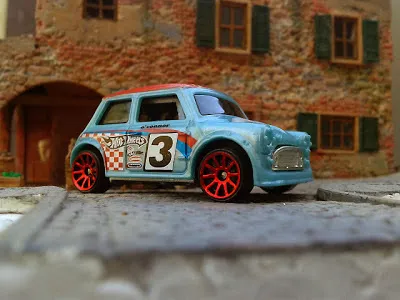
Online marketplaces such as eBay, Etsy, and specialized diecast model websites offer a vast selection of Morris Mini diecasts. These platforms provide a wide range of models from various sellers, often with detailed descriptions and photos. However, it is essential to research sellers and check their feedback to ensure authenticity and quality. Look for models with clear descriptions, multiple photos, and a return policy. Compare prices and consider shipping costs before making a purchase. Auction sites can offer opportunities to find rare or valuable models. Always be cautious and diligent in your online purchasing.
Specialty Shops and Dealers
Specialty shops and dealers specializing in diecast models offer a more curated selection and often provide expert advice. These shops may carry a wide array of Morris Mini diecasts, including rare and limited-edition models. Visiting these shops allows you to see the models in person, assess their condition, and speak with knowledgeable staff. Check local listings or search online for diecast model shops in your area. Attending car shows and model conventions is another excellent way to find Morris Mini diecasts. These events often host dealers and collectors, offering unique opportunities to add to your collection.
Collecting and Displaying Your Morris Mini Diecast
Collecting Morris Mini diecasts can be a rewarding hobby, allowing enthusiasts to appreciate the history and design of these iconic cars. How you collect and display your models is an important part of the hobby. Building a collection requires patience, research, and a passion for these miniature vehicles. Displaying your collection effectively enhances the enjoyment and value of your hobby.
Display Ideas

There are various ways to display your Morris Mini diecast collection. Consider using display cases, shelves, or shadow boxes to showcase your models. These options protect the models from dust and damage while allowing you to admire them. Arrange your models by scale, model type, or color to create an organized and visually appealing display. You can also create dioramas or scenes that evoke the Mini’s history or racing heritage. Proper lighting can enhance the models’ appearance, highlighting their details and creating a striking display. The display should reflect your personal preferences.
Caring for Your Collection
Proper care will help preserve your Morris Mini diecast models for years to come. Dust the models regularly with a soft cloth or brush to prevent dust accumulation. Store the models in a cool, dry place away from direct sunlight to prevent fading or damage. Handle the models with care to avoid scratches or damage. Consider using protective cases to store valuable or fragile models. Regular maintenance and care will help preserve the quality and value of your collection. By implementing these measures, you can ensure that your collection remains a source of enjoyment for years to come.