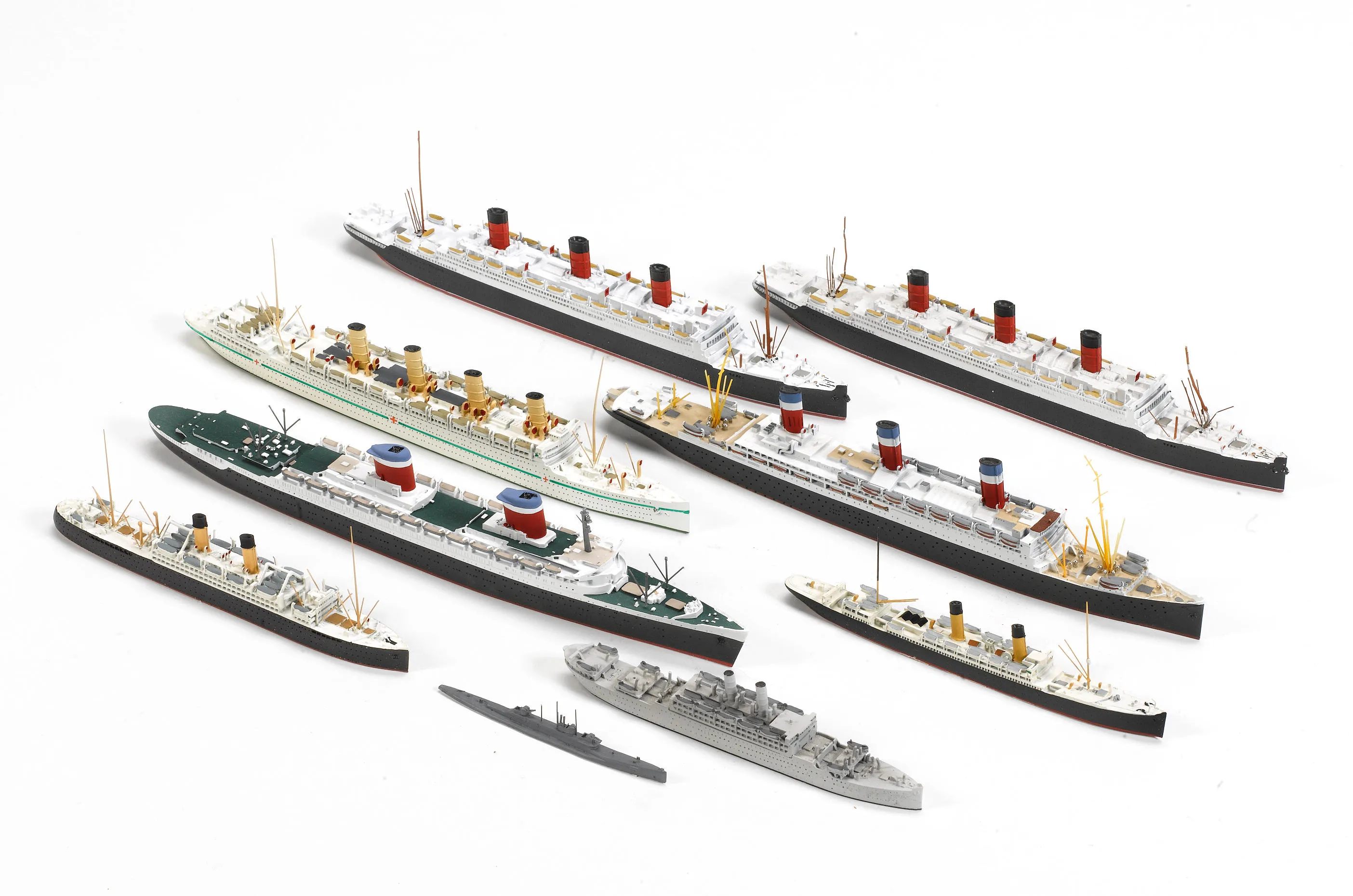
What Are Ship Diecast Models?
Ship diecast models are miniature replicas of ships, meticulously crafted using the die-casting process. This involves injecting molten metal or plastic into molds to create highly detailed and accurate representations of various vessels, from historical warships to modern cruise liners. These models are prized by collectors and enthusiasts for their craftsmanship, historical significance, and the joy of owning a piece of maritime history. The level of detail can vary greatly, but the best ship diecast models strive to capture the essence of the original ship, including its design, features, and paint scheme.
The Appeal of Ship Diecast Models
The appeal of ship diecast models is multifaceted, drawing in collectors from all walks of life. For many, it is the nostalgia associated with ships, evoking memories of voyages, historical events, or a simple fascination with the sea. The models offer a tangible connection to history, allowing collectors to hold a miniature version of a vessel that once sailed the oceans. The high level of detail, often including intricate rigging, weaponry, and deck features, showcases the artistry and skill of the manufacturers. The availability of various models also allows enthusiasts to build collections based on specific ship types, historical periods, or even personal interests.
Why Collect Ship Diecast Models?

Collecting ship diecast models is more than just a hobby; it’s a journey into history, a celebration of craftsmanship, and a source of immense personal satisfaction. Collectors often develop a deep appreciation for naval history and the evolution of ship design. Diecast models provide an accessible and affordable way to own a piece of maritime history, allowing enthusiasts to build collections that represent different eras and types of ships. The social aspect of collecting also adds to the appeal, with collectors often connecting with each other through online forums, clubs, and shows to share their passion and knowledge. The investment potential is also a consideration, as some rare or limited-edition models can appreciate over time.
Types of Ship Diecast Models
The world of ship diecast models is vast and diverse, offering a wide array of vessels to collect. From mighty battleships and aircraft carriers to elegant sailing ships and modern cruise liners, there’s a model for every taste. Warships, including destroyers, cruisers, and submarines, are popular among history buffs and military enthusiasts. Sailing ships, representing the age of exploration and maritime trade, offer a unique aesthetic appeal. Cruise ships and cargo vessels cater to those interested in contemporary shipping and global commerce. The types of models available depend on manufacturer and the target collectors.
Different Scales and Sizes
Ship diecast models come in a variety of scales, each offering a different level of detail and visual impact. Common scales include 1:700, 1:350, 1:200, and 1:100, with the scale number representing the ratio between the model and the actual ship. For example, a 1:700 scale model is 700 times smaller than the real ship. Larger scales offer more detail and are often preferred by experienced collectors, while smaller scales are easier to display and more affordable. The choice of scale often depends on personal preference, the available display space, and the level of detail desired.
Choosing the Right Scale

Selecting the right scale is a crucial decision for any ship diecast model collector. Consider factors such as your available display space, the level of detail you desire, and the types of ships you want to collect. Smaller scales, such as 1:700, are ideal for those with limited space and those who prefer to collect a wide variety of ships. Larger scales, such as 1:200 or 1:100, offer more detail and are perfect for showcasing individual models. Researching different scales and comparing the detail levels available for your preferred ship types will help you make an informed decision. Ultimately, the best scale is the one that aligns with your collecting goals and personal preferences.
Materials Used in Ship Diecast Models
The materials used in ship diecast models play a significant role in their quality, durability, and overall appearance. Die-casting involves using molds, in which molten material is injected to create the desired forms. Metal diecast, plastic, and composite materials are all used in the manufacturing of these models. The combination of these materials and the manufacturing process impacts both the visual appeal and the longevity of the model.
Metal Diecast
Metal diecast is the primary material used in many ship models, offering a high level of detail and a realistic feel. Zinc alloys are the most common metal used, as they can be formed in intricate shapes and hold fine details. Metal diecast models are known for their weight, which adds to their premium feel, and their durability, which allows them to withstand handling and display. They also provide excellent paint adhesion, allowing for detailed paint schemes and markings. Due to the weight of metal, these models are often priced higher than models made from alternative materials.
Plastic and Composite Materials

Plastic and composite materials are also used in the construction of ship diecast models, particularly for larger-scale models and those with complex designs. These materials are often more affordable than metal diecast and can be molded into intricate shapes with relative ease. Plastic models are typically lighter than metal diecast models, which can be an advantage for display and handling. Composite materials, which combine plastic with other materials such as resin or fiberglass, offer a balance between detail, durability, and cost. Plastic and composite materials are also well-suited for molding clear parts, such as windows and other transparent parts.
Features to Look For
When evaluating ship diecast models, several features should be considered to ensure quality and authenticity. These features contribute to the model’s overall value and appeal, influencing the collecting experience. These are the core elements that set apart exceptional models from the more basic versions.
Detailed Accuracy
Detailed accuracy is one of the most important factors in assessing the quality of a ship diecast model. Look for models that accurately replicate the original ship’s design, features, and proportions. This includes the hull shape, the placement of weaponry and equipment, and the overall aesthetic. Researching the real ship and comparing it to the model can help you identify inaccuracies. Well-made models will have the most important features.
Authentic Paint and Markings

Authentic paint and markings are crucial for enhancing the realism and visual appeal of a ship diecast model. Look for models with accurately applied paint schemes, including the correct colors, camouflage patterns, and weathering effects. The markings, such as flags, insignias, and ship names, should be clear, crisp, and accurately placed. High-quality models often use tampo printing or other advanced techniques to ensure the markings are durable and long-lasting. The accuracy of these details contributes significantly to the overall value and desirability of the model.
Essential Accessories
Many ship diecast models come with essential accessories that further enhance their detail and realism. These can include items such as lifeboats, railings, and weapons, all of which add to the overall impression. Some models also feature removable parts, allowing collectors to customize their models or display them in different configurations. The presence and quality of these accessories can significantly impact the value and visual appeal of the model. The manufacturers often make these accessories available to improve customer satisfaction.
Where to Buy Ship Diecast Models
Finding the right sources for purchasing ship diecast models is essential for building a successful collection. Online retailers, specialty shops, and dealers offer various models, from mass-produced to rare, limited-edition items. Consider factors such as price, selection, and reliability when choosing where to buy.
Online Retailers

Online retailers offer convenience, a vast selection, and often competitive pricing. Websites like Amazon, eBay, and specialty model shops provide a wide range of models from various manufacturers. When buying online, carefully review the seller’s reputation, read product reviews, and check the shipping and return policies. Look for retailers that offer detailed product descriptions and high-quality photos to ensure you know what you are buying. The ability to compare prices across different retailers is a significant advantage.
Specialty Shops and Dealers
Specialty shops and dealers offer a more curated selection of ship diecast models and often provide expert advice and personalized service. These shops typically focus on a specific niche, such as historical warships or modern cruise liners. Dealers can offer rare or limited-edition models that are not readily available from other sources. Visiting a local hobby shop allows you to see the models in person, assess their quality, and ask questions. Attending model shows and events is another excellent way to find unique models and connect with other collectors. Make sure you evaluate the models and their quality.
Building Your Collection
Building a ship diecast model collection is a rewarding experience that can be tailored to your interests and budget. Whether you are a beginner or an experienced collector, following some simple guidelines can enhance your collecting journey. The process can involve setting a collecting budget, researching available models, and curating the models to align with your personal preferences. These strategies are the key to making collecting a fun, fulfilling experience.
Display and Storage Tips

Proper display and storage are essential for protecting your ship diecast models and preserving their value. The correct display and storage methods will help keep your collection in good condition. You want to be able to share your collection with friends, and display is a great way to do it. Here are some recommendations.
Caring for Your Models
Caring for your ship diecast models involves regular maintenance and careful handling. Dusting regularly with a soft brush or cloth is essential to prevent the buildup of dirt and debris. Avoid exposing models to direct sunlight or extreme temperatures, which can damage the paint and materials. Handle your models with clean hands to prevent oils and fingerprints from affecting the finish. Inspect your models regularly for any signs of damage and address them promptly. The right care can extend the lifespan of your collection.
Cleaning and Maintenance
Regular cleaning and maintenance are crucial for preserving the appearance and value of your ship diecast models. Dust your models regularly with a soft brush or cloth to prevent the buildup of dust and dirt. If a model becomes dirty, use a damp cloth and mild soap to clean the surface carefully. Avoid using harsh chemicals or abrasive cleaners, which can damage the paint and markings. Inspect your models regularly for any signs of damage, such as loose parts or paint chips, and address them promptly. Proper cleaning and maintenance will keep your models looking their best.
Preserving Your Collection
Preserving your ship diecast model collection involves taking steps to protect your models from environmental damage and physical wear and tear. Store your models in a cool, dry place away from direct sunlight and extreme temperatures. Consider using display cases or protective covers to shield your models from dust and damage. Handle your models carefully and avoid touching them excessively, as oils from your hands can damage the finish. Document your collection with photographs and detailed descriptions to track your models’ condition and value. By implementing these preservation measures, you can ensure your collection remains in excellent condition for years to come.
Common Mistakes to Avoid
Avoiding common mistakes is key to ensuring a successful and enjoyable ship diecast model collecting experience. New collectors often make avoidable errors that can be detrimental to the collection. By learning to recognize and avoid these pitfalls, new collectors can protect their investment and enjoy the hobby to the fullest.
Conclusion
Ship diecast models offer a captivating blend of history, artistry, and the thrill of collecting. This beginner’s guide has provided a solid foundation for embarking on your collecting journey. With knowledge of the types of models, their features, and care techniques, you can build a collection that reflects your passion for maritime history and craftsmanship. So, set sail, explore the vast world of ship diecast models, and enjoy the rewarding experience of building your unique collection.