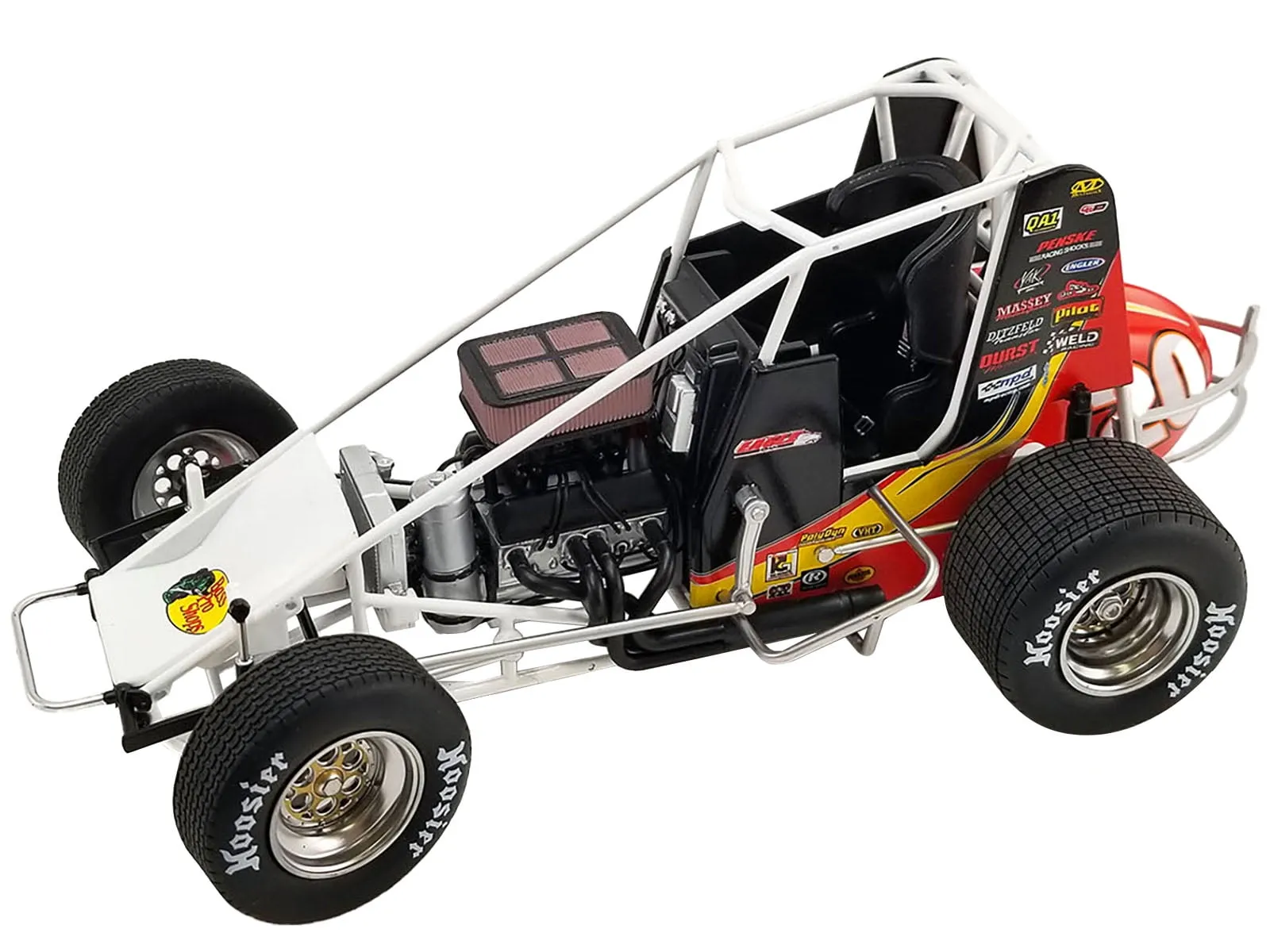
Building a diecast sprint car model kit is a rewarding hobby, allowing enthusiasts to recreate the thrill and beauty of these high-speed racing machines. However, the process can seem daunting to beginners. This guide breaks down the essential tips to ensure a successful and enjoyable build, transforming a collection of parts into a stunning scale replica. From choosing the right kit to the final display, we’ll cover everything you need to know to bring your sprint car model to life. Get ready to dive into the world of model building and discover the joy of creating a miniature masterpiece. This guide is designed to help you create a model sprint car you can be proud of, providing detailed advice and easy-to-follow steps.
Choosing Your Sprint Car Model Kit
The first step in any successful model build is selecting the right kit. With a variety of options available, understanding what to look for is crucial. Consider the manufacturer, the scale, the level of detail, and the build complexity. Research different brands and read reviews to gauge the kit’s quality and the clarity of its instructions. The kit should have a detailed instruction manual, clear part separation, and good molding. A good choice will set you up for success from the very beginning. Look for kits that align with your skill level; beginners should start with simpler builds, while experienced modelers can tackle more complex projects.
Scale and Detail
Scale is a critical factor in model kit selection. Common scales for sprint car models include 1:16, 1:18, and 1:24. Larger scales offer more detail and are generally easier to work with, but they also require more space for display. Smaller scales are more compact, which is great for those with limited display space, but their detail can be more challenging to achieve. Consider the level of detail offered by the kit, including features like engine components, cockpit details, and suspension systems. More detailed kits provide a more realistic end result, but they also demand more time and skill to assemble.
Material Selection

Diecast sprint car model kits typically use a combination of materials. The main body parts are often made from die-cast metal for durability and weight, providing a realistic feel. Other parts, such as the engine and interior details, are usually made from plastic. Some kits may include photo-etched parts for extra fine details, such as grilles and badges. The quality of the plastic parts should be considered, as higher-quality plastic will be easier to work with and will hold paint better. Check the kit for any pre-painted components. This can save time, but make sure the paint quality is up to your standards. Consider the types of materials offered in different kits when making your decision.
Essential Tools
Having the right tools is essential for a smooth and enjoyable model build. A basic toolkit should include a hobby knife for removing parts from sprues, a set of files for cleaning up edges, and various grades of sandpaper for smoothing surfaces. Glue specifically designed for plastic models is a must-have. Consider purchasing a set of paintbrushes in different sizes for detailing. A pair of tweezers will be incredibly helpful for handling small parts. A cutting mat protects your work surface and provides a clean area for assembly. These tools will ensure a more efficient and accurate building process, leading to a higher-quality finished model.
Preparing Your Diecast Sprint Car Model Kit
Before you start assembling your sprint car model, proper preparation is vital. This step involves cleaning, priming, and dry-fitting the parts to ensure a smooth build. Taking the time to prepare your parts correctly significantly impacts the final result. Rushing this stage can lead to complications later on. Proper preparation ensures the paint adheres correctly, parts fit together seamlessly, and the overall model looks its best.
Cleaning and Priming

Begin by removing the parts from the sprues using a hobby knife or sprue cutters. Carefully trim any excess plastic from the parts, and use files and sandpaper to smooth any rough edges. Wash all the plastic parts with warm, soapy water to remove any mold release agents or oils that may interfere with paint adhesion. Let them dry completely. Once dry, apply a thin, even coat of primer. Primer helps the paint adhere to the plastic and highlights any imperfections that need to be addressed before painting. Allow the primer to dry completely before moving on to the next step. Lightly sand the primed surface if needed to create a smooth finish.
Assembling the Chassis
The chassis is the foundation of your sprint car model. Carefully follow the instructions to assemble the chassis components. Use the appropriate glue and ensure all parts are aligned correctly. Dry-fitting the parts before applying glue is highly recommended to check for proper alignment. Pay close attention to the suspension components, as these add significant detail to the model. Make sure the wheels fit properly and the axles are aligned. Take your time during this process, as a well-built chassis ensures the rest of the model fits together correctly. Double-check the instructions and be patient. This will help you create a solid foundation for your build.
Painting Your Sprint Car Model Kit
Painting is where your sprint car model truly comes to life. A well-executed paint job can dramatically enhance the model’s realism and visual appeal. Careful planning and execution are essential for achieving a professional-looking finish. Consider the color scheme and any decals or graphics you plan to use. Proper painting techniques and attention to detail will make a big difference in the final result. Use the correct paint type, and thin your paint properly for best results. Practice on test pieces before committing to painting the entire model.
Choosing the Right Paints

Model paints come in various types, including acrylics, enamels, and lacquers. Acrylic paints are generally water-based, easy to clean up, and dry quickly. They are ideal for beginners. Enamel paints offer a durable finish and are available in a wide range of colors, but they require solvents for cleanup and take longer to dry. Lacquer paints dry very quickly and provide a smooth, glossy finish, but they can be more difficult to work with and require proper ventilation. Choose paints specifically designed for model building. Select high-quality paints that offer good coverage and color accuracy. Consider the finish you want to achieve (matte, satin, or gloss) and choose paints that match your desired aesthetic. Also, buy thinners and other required liquids.
Painting Techniques
Before painting, make sure the surfaces are clean, primed, and smooth. Apply thin, even coats of paint. Multiple thin coats are always better than one thick coat, as they reduce the risk of runs and drips. Use an airbrush for a smooth, professional finish. If you don’t have an airbrush, use a high-quality paintbrush, applying the paint in smooth, even strokes. Allow each coat to dry completely before applying the next. Mask off areas that require different colors, using masking tape designed for model building. Once the paint is dry, you can apply a clear coat to protect the paint and provide a glossy finish. Practice these techniques to improve your skills over time.
Adding Decals and Details
Adding decals and small details is the final step in bringing your sprint car model to life. This is where you add the logos, graphics, and fine details that make your model unique. Taking your time and applying these details carefully will greatly enhance the realism and overall appearance of your model. Good preparation and patience are essential for achieving a professional-looking finish. Consider the design and placement of the decals before applying them.
Decal Application Tips

Before applying decals, ensure the painted surface is smooth and glossy. Cut out each decal as close to the edges as possible. Dip the decal in warm water for a few seconds to loosen the adhesive. Carefully slide the decal from the backing paper and position it on the model. Use a soft cloth or cotton swab to gently press the decal onto the surface, removing any air bubbles. Consider using decal setting solutions and decal softening solutions to help the decals conform to the model’s surface and make them look more realistic. These solutions can help the decals settle over curves and rivets. Allow the decals to dry completely before applying a clear coat. Use a decal solvent for the best results.
Adding Small Details
Small details can significantly enhance the realism of your model. Use fine-tipped brushes to paint details such as the engine, cockpit, and suspension components. Add weathering effects using washes and dry brushing techniques to add depth and realism. Consider using aftermarket detailing sets to add extra parts. These can include seatbelts, wiring, and other small details that enhance the model’s realism. Take your time and be patient. A well-detailed model will stand out and be a source of pride. The goal is to create a model that looks as close to the real thing as possible. Careful attention to detail makes the difference.
Displaying Your Finished Sprint Car Model
Once your sprint car model is complete, displaying it properly is crucial. A well-displayed model protects it from dust and damage and showcases your hard work. Considering the display options and taking the right steps will help to show off your model. Choose a location that protects your model from direct sunlight, which can cause paint fading, and from excessive dust. A good display ensures your model stays in excellent condition and becomes a focal point of your collection.
Choosing a Display Case

A display case is the best way to protect your sprint car model from dust, dirt, and accidental damage. Choose a case that is the appropriate size for your model and fits your display space. Consider cases made of clear acrylic or glass, which provide a clear view of your model. Ensure the display case has a secure base to prevent it from tipping over. You can also add a custom base to your display case to add to the overall look of your model. Consider the lighting in your display case. Good lighting enhances the model’s visual appeal. LED lighting is a good option because it doesn’t generate as much heat. Select a display case that complements your model and enhances its presentation.
Maintaining Your Model
Regular maintenance will keep your sprint car model looking its best. Dust your model regularly using a soft brush or a microfiber cloth. Avoid using harsh chemicals or abrasive cleaners, which can damage the paint. Inspect the model periodically for any loose parts or damage and address them promptly. Store your model in a cool, dry place away from direct sunlight and extreme temperatures. Handle your model with clean hands to avoid leaving fingerprints or smudges. By following these simple maintenance tips, you can ensure that your sprint car model remains in excellent condition for years to come, preserving your hard work and the value of your model.